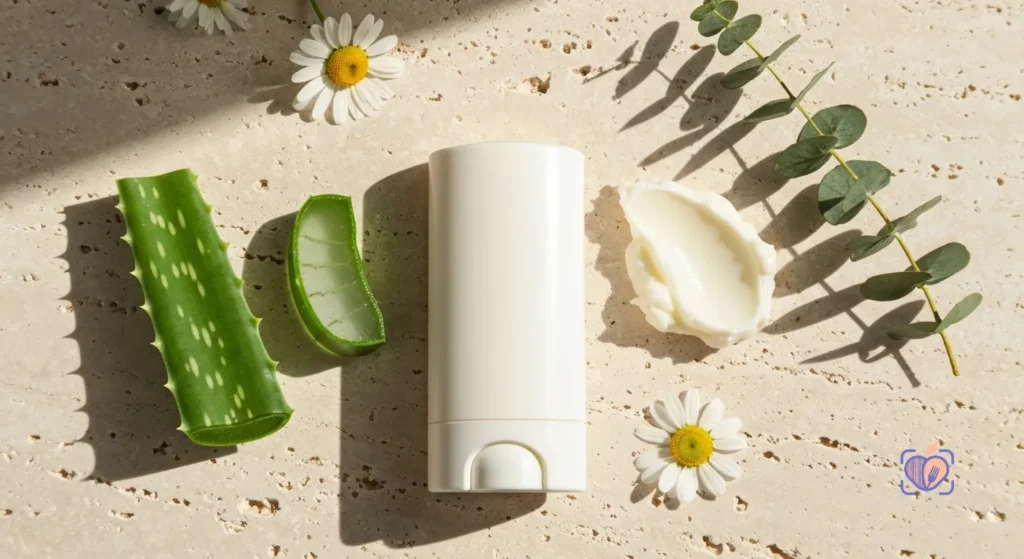
The best deodorant for a woman is one that is effective for her unique body chemistry and is free of harmful ingredients like aluminum, parabens, and phthalates. The ideal choice prioritizes safety and transparency over marketing claims.
The Carousel of Choice
You walk down the aisle. It’s a pastel canyon of promises. ‘Clinical Strength.’ ‘72-Hour Protection.’ ‘All Natural.’ It’s a conversation designed to overwhelm you, to make you feel like the choice is monumental. It’s not. It’s a simple problem that has been made complicated to sell you more products that are, for the most part, identical.
They’re selling you a feeling, a memory of a meadow, a fantasy of confidence. But what are they putting in the bottle to achieve it? That’s the conversation they don’t want to have. The truth is, the best deodorant isn’t a brand name you recognize; it’s a list of ingredients you don’t.
Antiperspirant vs. Deodorant: A Deliberate Confusion
Let’s clear the air. The industry loves to blur this line, but the distinction is critical.
Deodorant
Its job is simple: to neutralize the bacteria that cause odor when you sweat. It deodorizes. It doesn’t stop the sweat itself, which is a natural, necessary bodily function.
Antiperspirant
This is a different beast. It uses an active ingredient—typically an aluminum-based compound—to form a plug in your sweat ducts. It stops perspiration. While effective for some, the idea of clogging your body’s natural cooling system should give you pause. More importantly, it’s the ingredients used to accomplish this that demand scrutiny.
The Dossier: Ingredients to Interrogate
Confidence doesn’t come from a floral scent; it comes from certainty. Certainty that what you put on your body, every single day, isn’t working against you. The cosmetic industry has operated in the shadows for too long, relying on consumer trust they haven’t earned. We’re seeing a growing awareness of the concerning ingredients in cosmetics and beauty products, and it’s about time.
Here are the primary suspects to look for on your deodorant label:
- Aluminum Compounds: The active ingredient in antiperspirants. Linked to endocrine disruption and skin irritation.
- Parabens (Propylparaben, Butylparaben): Preservatives that mimic estrogen in the body. These are known endocrine disruptors.
- Phthalates: Often hidden under the generic term “fragrance” or “parfum.” These chemicals are used to make scents last longer and have been linked to significant health concerns.
- Triclosan: An aggressive antibacterial agent that the FDA has restricted in hand soap, yet it still finds its way into other cosmetics. It’s another potential endocrine disruptor.
These aren’t just chemical names; they are potential liabilities to your long-term health. Studies have begun to shed light on just what’s really in our personal care products, and the findings are unsettling.
Your Moment of Clarity
There’s a trend of people using apps to scan their groceries and cosmetics, a testament to a growing, and necessary, skepticism. You can read articles asking if a specific scanner app is worth the hype, and the answer is that the impulse is correct. The desire for truth is essential.
But you need more than a simple good/bad rating. You need a genius.
At Skin Scan Genius, we don’t just scan labels. We analyze them. Our entire focus is on what touches your skin, identifying the subtle threats—the endocrine disruptors, the hidden carcinogens, the allergens masked by clever marketing. We cut through the noise of the beauty industry to give you a definitive, personalized answer.
Stop letting brands dictate your health. It’s time to arm yourself with intelligence. Scan your current deodorant. Scan the one you’re thinking of buying. The power is no longer on the shelf; it’s in your hand.
Take control. Get the truth.
Visit Skin Scan Genius and download the app today. See what’s really in the bottle.
Frequently Asked Questions
What is the best deodorant for a woman with sensitive skin?
The best choice is a formula free from aluminum, alcohol, baking soda (which can be a pH irritant), and synthetic fragrances. Look for products with soothing ingredients like shea butter or magnesium hydroxide and always perform a patch test before regular use.
Is aluminum in deodorant really dangerous?
While regulatory bodies have not issued a final verdict linking it directly to specific diseases, aluminum is a known neurotoxin and skin irritant. The fundamental question is one of risk. With so many effective aluminum-free options available, avoiding it is a simple, proactive step towards cleaner personal care.
How do I switch to a natural deodorant without odor issues?
There can be an adjustment period, often called a “detox,” that lasts a few weeks as your underarm pores clear and your body regulates itself. During this time, you may sweat more and notice a stronger odor. Be patient, wash your underarms daily with a gentle soap, and reapply as needed. Your body will find its equilibrium.