1. The Cultural Legacy and Modern Dilemma of Tab Soft Drink
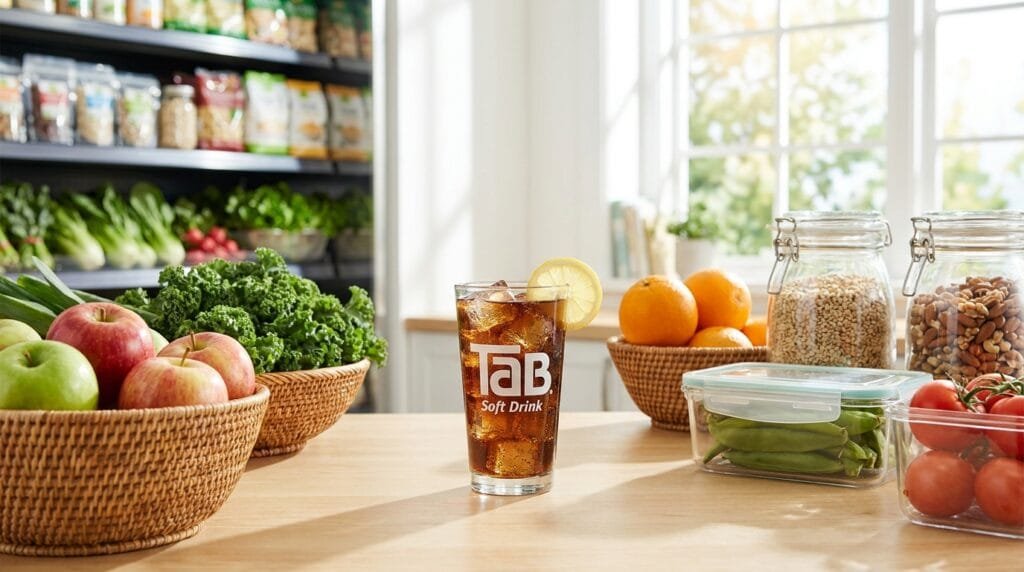
When The Coca-Cola Company introduced Tab soft drink in 1963, it revolutionized the beverage industry by offering an unapologetically crisp, one-calorie alternative for consumers desperate to keep “tabs” on their daily caloric intake. For decades, the bright pink can was a symbol of dietary restriction and modern convenience, amassing an intensely loyal following that endured until its official discontinuation in late 2020. Yet, decades after its peak and years after disappearing from supermarket shelves, Tab continues to provoke intense curiosity, nostalgia, and technical debate among consumers, food scientists, and wellness researchers alike.
For many dedicated consumers, the loss of Tab soft drink was more than the retirement of a legacy beverage; it exposed the complex realities of modern zero-calorie formulation. Tab possessed a sharply distinct, metallic, and astringent taste profile driven predominantly by sodium saccharin. As modern brands replaced early artificial sweeteners with high-fructose blends, sucralose, or erythritol, shoppers with specific metabolic needs, gustatory preferences, and chemical sensitivities found themselves adrift in a beverage aisle dominated by opaque formulations. Finding a comparable replacement without triggering gut distress, allergic reactions, or inflammatory responses requires a deep understanding of synthetic chemical additives governed by bodies such as the European Food Safety Authority (EFSA) Additive Safety Regulations.
Moreover, the modern dietary landscape has shifted dramatically from mere calorie counting to evaluating holistic biological impacts. In the 1970s and 1980s, drinking Tab soft drink was considered the gold standard for weight management, but clinical understanding of human physiology has evolved. Groundbreaking investigations documented in PubMed Research on Ultra-Processed Foods & Gut Microbiome Disruption show that non-nutritive synthetic sweeteners and chemical emulsifiers can alter microfloral homeostasis, impair glycemic regulation, and stimulate compensatory cravings. Shoppers in 2026 are caught between the nostalgic craving for vintage diet colas and the imperative to protect their metabolic longevity from ultra-processed formulations.
Navigating these choices at the grocery shelf should not require a biochemistry degree or expensive specialty subscriptions. Whether you are hunting for vintage Tab soft drink lots, formulating a safe replica at home, or scanning modern zero-sugar alternatives to protect your household from contentious additives, transparent technological clarity is essential. Food Scan Genius exists to demystify complex soft drink ingredient panels, offering complete, unrestricted access to food transparency without paywalls or fearmongering.
Scan Any Label for Hidden Additives and Allergens — Free
Never second-guess confusing grocery labels again. Download Food Scan Genius to uncover hidden additives, toxic dyes, and allergens for the whole household before you buy.


2. Deceptive Labeling, Sweeteners, and Sneaky Ingredients in Tab and Its Kin
Understanding the anatomy of Tab soft drink requires unraveling decades of regulatory battles, reformulations, and chemical masking techniques. The distinct flavor and profile of Tab were achieved through an intricate blend of synthetic compounds that modern shoppers often encounter under varied, sanitized ingredient names in contemporary sodas. When auditing historical and modern diet beverages, consumers must be vigilant regarding several deceptive additives and regulatory loopholes:
- Sodium Saccharin (High-Potency Artificial Sweetener): Tab’s signature component, sodium saccharin is approximately 300 to 500 times sweeter than sucrose. Following a 1970s controversy involving rodent bladder cancer, it was subjected to mandated warning labels that were ultimately repealed in December 2000. However, saccharin remains an aggressive synthetic compound that can cross the placental barrier and induce adverse taste receptor responses or gastrointestinal shifts in sensitive demographics.
- Caramel Color Class IV (Ammonia-Sulfite Processed): To achieve its dark cola hue without real caramelized sugar, Tab utilized Class IV caramel coloring. This chemical processing method produces two insidious byproducts: 2-methylimidazole (2-MEI) and 4-methylimidazole (4-MEI), compounds identified as potential carcinogens. Labeling standards typically allow companies to conceal these byproducts simply under the generic umbrella term “Caramel Color.”
- Phosphoric Acid & Mineral Chelation: Phosphoric acid imparts the sharp, aggressive bite associated with classic diet colas, acting simultaneously as a potent preservative. However, heavy dietary consumption of phosphoric acid is associated with lower bone mineral density, dental enamel demineralization, and renal stress, running counter to the balance advocated in the World Health Organization Guidelines on Healthy Diets & Saturated Fats and essential micronutrient absorption.
- Proprietary “Natural Flavors” and Chemical Extracts: Both legacy Tab and modern retro-sodas frequently list “natural flavors” to mask the bitter, lingering metallic aftertaste of synthetic sweeteners. Under current regulatory frameworks, manufacturers can group dozens of laboratory-synthesized volatile flavor compounds, solvents like propylene glycol, and synthetic preservatives under this innocent-sounding phrase without declaring individual allergen profiles.
- Hidden Cross-Contaminants and Unlisted Processing Agents: Soft drinks manufactured in legacy high-speed bottling plants are rarely screened for micro-particulate gluten or common allergen residues unless specifically certified. While the FDA Food Allergen Labeling & Consumer Protection Act (FALCPA) mandates explicit disclosure of major food allergens, non-standard processing aids, flavor carriers, and corn-derived fermentation agents routinely escape consumer scrutiny on standard beverage panels.
- Sodium Benzoate & Citric Acid Interactions: When sodium benzoate is used to inhibit mold and microbial growth in acidic beverages containing ascorbic acid (Vitamin C) or citric acid, ambient heat and light exposure can facilitate the synthesis of trace benzene, an established human carcinogen. Legacy formulas and modern shelf-stable canned beverages often skate close to these chemical reaction thresholds.
3. How Food Scan Genius Outperforms Legacy Scanners and Subscription Traps
| Feature / Capability | Food Scan Genius | Fig ($59/Year) | Spoonful | Manual Label Reading |
|---|---|---|---|---|
| Database Parsing | 5M+ UPC/EAN with recursive AST sub-ingredient analysis | Proprietary retail database (Standard matching) | Curated grocery list (Limited scope) | Zero automated sub-ingredient expansion |
| Core Pricing Model | 100% Free Core Power (Zero Paywalls) | Aggressive $59/year paywall after trial | Strict daily/monthly scan limits | Free, but time-intensive and error-prone |
| Family Screening | Multi-Household scanning with named fail attribution | Single user primary; clunky profile switching | Single profile only | Mental juggling of multiple conflicting allergies |
| Custom Sensitivities | 39 dietary profiles + custom additives (seed oils, dyes) | Fixed preset lists with restricted manual overrides | Primarily Low-FODMAP focused | Requires memorizing thousands of chemical aliases |
| Objective Frameworks | NOVA 1-4 + Nutri-Score without moralizing scores | Green/Yellow/Red arbitrary tagging | FODMAP traffic-light indicators | None (Subjective guesswork) |
While legacy nutrition apps enforce costly paywalls, arbitrary “danger” scores, and opaque algorithms, Food Scan Genius takes an entirely different architectural approach. Powered by our enterprise NutriGraph Database containing over 5,000,000 verified UPC and EAN barcodes, our scanner does not simply perform keyword matching. Instead, our technology applies recursive Abstract Syntax Tree (AST) parsing to every ingredient panel. When analyzing a beverage—whether you are auditing a legacy recipe like Tab soft drink, modern zero-sugar colas, or boutique craft sodas—NutriGraph breaks down compound additives, natural flavor umbrellas, and nested carrier substances to identify hidden risks that traditional apps miss.
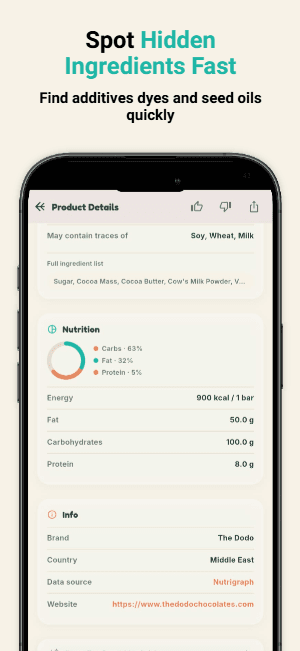
Rather than scaring consumers with unscientific moralizing scores, our platform delivers ScanGenius AI Insight. This provides balanced, scientifically validated context alongside recognized objective frameworks, including official NOVA 1-4 food processing classifications and international Nutri-Score ratings. Combined with our Multi-Household Family Profiles, a single two-second barcode scan checks the product against every member of your home simultaneously—delivering crystal-clear feedback like “Fails for Sri (Gluten)” or “Flagged for Maya (Sodium Saccharin)”—completely free, with 11 global languages and real-time in-app translation.
4. Related Food Safety & Dietary Guides
- Best Food Allergy Scanner App – Scan Food Labels Instantly — Food Allergy & Sensitivity Scanner Hub
- The 7 Best Free Food Scanner Apps of 2026 — best free food scanner apps
- Choosing the Best Barcode Scan App for Your Health — guide to choosing a barcode scanner app
- Food Scan Genius: World’s #1 Food Ingredient Scanner App — Food Scan Genius scanner app
5. Scientific & Health Authority References
- FDA Food Allergen Labeling & Consumer Protection Act (FALCPA)
- European Food Safety Authority (EFSA) Additive Safety Regulations
- PubMed Research on Ultra-Processed Foods & Gut Microbiome Disruption
- World Health Organization Guidelines on Healthy Diets & Saturated Fats
6. How to Scan in 3 Simple Steps
- Download Food Scan Genius for free on iOS or Android with zero subscriptions, paywalls, or scan limits.
- Configure your tailored health profile by choosing from 39 supported diets or inputting custom sensitivities (e.g., sodium saccharin, phosphoric acid, caramel color IV, or specific seed oils).
- Scan any soft drink or grocery barcode in under two seconds to view transparent recursive ingredient breakdowns, objective NOVA 1-4 processing levels, and instant family safety attributions.
Personalized Match & AI Insight
7. Frequently Asked Questions (FAQ)
Why was Tab soft drink officially discontinued by Coca-Cola?
The Coca-Cola Company officially retired Tab soft drink in December 2020 as part of a global portfolio optimization plan during the COVID-19 pandemic. Although Tab retained an intensely dedicated consumer cult following, it represented less than 0.1% of the company’s global revenue, losing market share to modern zero-calorie colas like Diet Coke and Coca-Cola Zero Sugar.
What artificial sweetener gave Tab soft drink its signature taste?
Tab was fundamentally characterized by its use of sodium saccharin. Unlike aspartame or sucralose, sodium saccharin delivers an intense initial sweetness coupled with a distinct metallic, bitter, and astringent finish that Tab fans loved. During its lifespan, Tab briefly experimented with cyclamates before the FDA banned them in 1969, and in certain international markets, it utilized saccharin-aspartame blends.
How does Food Scan Genius identify obscure chemical additives in sodas?
Food Scan Genius utilizes the NutriGraph Database, which contains over 5,000,000 verified UPC/EAN barcodes. Instead of simple surface-level keyword searches, our engine executes recursive Abstract Syntax Tree (AST) parsing, mapping complex compound ingredients, flavor carriers, and cryptic chemical preservatives against your customized dietary sensitivities and allergies instantly.
Can I use Food Scan Genius to find modern, gut-friendly alternatives to Tab?
Yes. Food Scan Genius screens products across 39 dietary profiles and custom sensitivity settings, allowing you to flag artificial sweeteners, chemical dyes, preservatives, and high-phosphorus additives. With instant NOVA 1-4 classification and ScanGenius AI Insights, you can effortlessly identify clean-label, low-processing sparkling beverages that satisfy your cravings without triggering gut irritation.
Know What’s In Your Food Before You Buy — Scan Free Today
Never second-guess confusing grocery labels again. Download Food Scan Genius to uncover hidden additives, toxic dyes, and allergens for the whole household before you buy.