How to Know If Food Contains Animal Products: Decoding Hidden Ingredients and Labels
Picture a typical Tuesday grocery run. You grab a bag of sugar, a bottle of juice, some packaged bread, and a box of fruit snacks. Nothing on that list looks remotely like meat, dairy, or anything harvested from an animal. At first glance, your cart appears entirely plant-based. Yet, a surprising number of everyday foods rely on animal-derived components somewhere in their manufacturing chain, even when the final item looks completely vegetarian on the surface. From bone char used in sugar-whitening to insect-based food dyes and animal enzymes, navigating the modern supermarket requires more than just a quick glance at the front packaging.
Whether you follow a vegan lifestyle for ethical reasons, keep strict kosher or halal dietary laws, manage severe food allergies, or simply want total transparency over what you put into your body, understanding food ingredients is a universal challenge. Regulatory frameworks like those monitored by the U.S. Food and Drug Administration (FDA) mandate basic allergen declarations, but they do not automatically require companies to spell out the exact biological origin of every minor processing aid or multi-source additive. This leaves health-conscious consumers searching for clarity in a complex sea of technical terminology.
The Hidden Complexity of Modern Food Labels
When shopping for groceries, most people rely on the ingredient deck to guide their choices. However, food science has evolved past simple lists of whole foods. Modern manufacturing utilizes thousands of texturizers, emulsifiers, colorants, and flavor enhancers. Many of these substances can be derived interchangeably from plant, synthetic, or animal sources, and federal labeling laws frequently do not compel manufacturers to specify which path they chose.
According to updates from regulatory compliance reviews, consumer advocacy groups have continually petitioned agencies like the FDA to enforce clearer disclaimers for animal-derived components, citing widespread public confusion. When an ingredient label lists “natural flavors” or “modified food starch,” it acts as an umbrella term that could mask anything from plant oils to animal fatty acids. Consequently, knowing what is truly inside a package demands a systematic breakdown of how these elements hide in plain sight.
Why Animal Byproducts End Up in Seemingly Plant-Based Foods
Animal derivatives serve functional roles in food processing. They act as clarifiers, texturizers, anti-caking agents, and moisture retainers. Because these substances are often introduced during intermediary processing steps—such as filtering liquids or conditioning bread dough—they may not remain as active ingredients in the final item, exempting them from standard disclosure rules in various jurisdictions.
For example, organic or conventional white sugar is frequently filtered through bone char (calcined animal bones) to achieve its bright white color. While the char itself does not end up in the sugar bag, the product has contacted an animal-derived material. Similarly, beverages like beer and wine often utilize isinglass (derived from fish swim bladders) or gelatin to precipitate yeast and cloudiness, leaving trace residues behind without triggering allergy or disclosure mandates.
Common Hidden Animal Ingredients and Their Aliases
To successfully spot animal products while shopping, you must learn to look past colloquial terms and recognize chemical aliases, European E-numbers, and technical industry jargon. The table below outlines the most frequent hidden animal ingredients, their common sources, and where they typically turn up.
| Ingredient Name | Common Aliases / E-Numbers | Animal Source | Typical Food Products |
|---|---|---|---|
| Carmine | E120, Cochineal, Natural Red 4 | Crushed female cochineal insects | Red juices, fruit snacks, yogurts, candies |
| L-Cysteine | E920, Cysteine | Poultry feathers, human hair (synthetic versions exist) | Packaged commercial bread, pizza dough, bagels |
| Shellac | E904, Confectioner’s Glaze, Resinous Glaze | Secretions of the lac insect | Shiny candy coatings, chocolate beans, apples |
| Gelatin | E441, Hydrolyzed Collagen | Bones, skin, and connective tissue of pigs and cattle | Marshmallows, gummy candies, gelatin desserts, yogurts |
| Isinglass | Fish gelatin extract | Swim bladders of fish | Clarified beer, wine, and hard ciders |
| Whey / Casein | Milk proteins, Sodium Caseinate | Cow’s milk dairy | Protein bars, processed baked goods, chips flavorings |
Step-by-Step Strategy to Identify Animal Products While Shopping
Checking labels effectively is a skill that improves with practice. By adopting a methodical approach at the grocery store, you can drastically reduce the chances of inadvertently consuming animal byproducts.
- Look for Certifications: Certified Vegan, Kosher Pareve, and Vegetarian Action symbols provide the fastest shortcut. “Kosher Pareve” guarantees the product contains neither meat nor dairy, though it may occasionally contain fish or honey depending on strictness.
- Scrutinize “Natural Flavors”: Because natural flavors can legally originate from animal tissues, meat broths, or dairy derivatives, reach out to manufacturers or choose brands that explicitly state their flavorings are plant-sourced when strict plant-based compliance is required.
- Investigate Additives and Glazes: Any glossy coating on fruit, coffee beans, or confectionery items often features shellac or beeswax. Check for clear plant-based alternatives like carnauba wax.
- Research Sugar Processing: If avoiding bone char is vital to your dietary choices, look for organic cane sugar, beet sugar, or certified organic products, as organic standards prohibit bone char filtration.
The Broader Issue: Transparency, Health, and Consumer Rights
The challenge of identifying hidden animal products extends far beyond individual dietary preferences. It highlights a wider structural issue within the global food system regarding corporate transparency and consumer rights. Modern food supply chains are heavily industrialized, relying on multi-tier processing where raw ingredients change hands and processing aids are applied far away from the final point of sale.
When regulatory bodies debate updates to labeling guidelines—such as the FDA’s ongoing oversight of plant-based alternative labeling and allergen disclosures—the core debate centers on right-to-know principles. Consumers with severe religious restrictions, ethical convictions, or specific health sensitivities depend on accurate information. Obscure terminology creates barriers, forcing shoppers to spend excessive time researching individual companies or risking accidental exposure to ingredients they actively wish to avoid.
How Food Scan Genius Solves the Ingredient Challenge
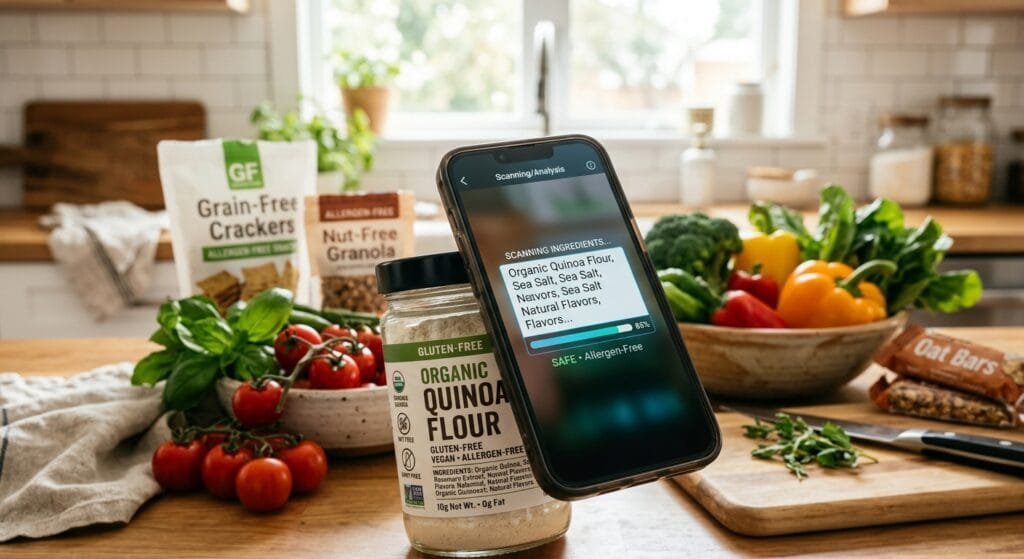
Manually checking every single E-number, cross-referencing industry terms, and calling manufacturers during a grocery trip is exhausting and impractical for daily life. This is where advanced digital tools transform the shopping experience. The **Food Scan Genius** app is designed to bridge the gap between complex industrial food labels and consumer clarity.
By leveraging a robust database of food additives, scientific names, and sourcing profiles, Food Scan Genius allows users to scan barcodes or ingredient text directly with their smartphone camera. The app instantly analyzes the contents, alerting you to hidden animal products, allergens, and unwanted additives tailored precisely to your personal dietary rules.
“As someone managing strict dietary preferences while juggling a busy family schedule, decoding grocery labels used to feel like an endless detective game. Food Scan Genius completely changed how I shop. I can scan a product barcode right in the aisle, and within seconds, it flags hidden animal derivatives or unwanted ingredients that I would have completely missed. It gives me total peace of mind and saves me hours of research. I recommend it to anyone trying to take control of what they eat!”
Ready to take the guesswork out of grocery shopping and ensure your food aligns with your values? Download Food Scan Genius today and experience effortless, transparent food scanning in the palm of your hand.
Frequently Asked Questions
How can I tell if an ingredient is animal-derived when it has a scientific name?
Many animal-derived ingredients appear under technical, scientific, or E-number codes like Carmine (E120), L-Cysteine (E920), or Shellac (E904). Utilizing dedicated scanner tools or cross-referencing global additive databases helps decode these hidden components.
Are processing aids like bone char or isinglass listed on food labels?
In many food jurisdictions, processing aids used during production—such as bone char to filter sugar or isinglass to clarify wine—are not required to be listed on the final ingredient label because they do not remain in significant active amounts in the final food.
Why is it so difficult to track animal products in everyday packaged foods?
Modern supply chains use thousands of multi-functional additives, natural flavorings, and texturizers that can originate from either plant, synthetic, or animal sources without requiring the manufacturer to specify the exact origin.
How does Food Scan Genius help identify hidden animal ingredients?
Food Scan Genius is an intuitive mobile application that allows users to scan barcodes or ingredient labels instantly, flagging hidden animal products, allergens, and unwanted components tailored to individual dietary preferences.