Top 10 Halal Snacks in Italy: Your Complete Guide to Permissible Eating
When navigating food ingredients while buying or consuming food, consumers across the globe face an intricate maze of labels, hidden additives, and regional dietary variations. Whether you follow a strict halal diet, manage food allergies, or simply care about clean-label transparency, understanding what goes into your daily snacks has never been more vital. For travelers and residents exploring Southern Europe, finding safe, permissible options can pose unique challenges. Italy—renowned worldwide for its rich culinary heritage centered around cured meats, pork derivatives, and fine wines—presents a fascinating landscape for those seeking certified halal snacks.
This comprehensive guide explores the top 10 halal snacks available in Italy, examines the realities of the Italian halal market, and provides actionable insights on how to decode complex food labels using modern digital tools.
The Growing Landscape of Halal Food in Italy
Italy boasts a thriving food economy, yet the domestic market for certified halal products remains an emerging sector compared to neighbors like France or the United Kingdom. Driven by an increasing resident Muslim population—estimated between 2.8 and 3.0 million—and a steady influx of international tourism from Gulf Cooperation Council (GCC) countries and North Africa, demand for permissible food options is on a sharp upward trajectory.
However, mainstream Italian supermarkets (such as Coop, Conad, and Esselunga) traditionally allocate limited shelf space to dedicated halal items. Most certified snacks and specialty products are found in independent ethnic grocery stores, specialized international markets, or through select imported goods. Understanding how to read Italian food labels is therefore an essential skill for anyone maintaining a halal lifestyle on the peninsula.
How to Identify Halal Products in Italian Supermarkets
Because Italian culinary traditions heavily incorporate pork fats (*strutto*), animal rennet (*caglio animale*), and alcohol-based flavorings, scanning ingredient lists requires vigilance. Official certification bodies like Halal Italia (promoted in cooperation with Islamic organizations like CO.RE.IS) provide trusted oversight for domestic and export goods. When local certification is absent, shoppers frequently rely on reputable international labels or thoroughly vet ingredient disclosures for critical red flags:
- Prohibited Meats & Fats: Look out for *maiale* (pork), *suino* (pork-derived), *strutto* (lard), and *prosciutto* or *pancetta* fragments.
- Hidden Additives: Animal-derived gelatin (*gelatina*) unless explicitly specified as bovine or plant-based, and certain animal rennets used in cheese production.
- Alcohol and Derivatives: Terms like *alcol*, *vino* (wine), or liquor infusions used in confectionery products.
Top 10 Halal Snacks in Italy
To help you snack safely and deliciously across Italian cities, we have compiled the top 10 halal-friendly snack options, combining locally available certified products and universally permissible treats.
| Rank | Snack Category | Description & Halal Status | Where to Find It |
|---|---|---|---|
| 1 | Certified Halal Imported Confectionery | Gummies and chocolates carrying recognized international halal seals (such as JAKIM or Halal Control). | Ethnic specialty stores and large hypermarkets |
| 2 | Italian Grissini (Breadsticks) with Olive Oil | Traditional plain breadsticks made exclusively with wheat flour, water, salt, and vegetable oil/olive oil (avoiding lard or animal fat variants). | Standard supermarkets (Coop, Conad) |
| 3 | Taralli Pugliesi (Vegetable Oil Variant) | Ring-shaped savory crackers from Puglia crafted with extra virgin olive oil, white wine (evaporated during baking, though strict consumers check brands), or olive oil-only bases. | Local bakeries and grocery stores |
| 4 | Dates Stuffed with Almonds | Naturally sweet, wholesome, and completely permissible energy snacks rich in fiber and micronutrients. | Middle Eastern grocers and open-air markets |
| 5 | Certified Halal Cured Beef Salami (Bresaola style or imported poultry salami) | Packaged sliced meat alternatives produced from certified halal beef or poultry. | Specialized Islamic butchers (*macellerie islamiche*) |
| 6 | Dark Chocolate (70% Cocoa and Above) | Single-origin or plain dark chocolate blocks containing cocoa mass, sugar, and cocoa butter without dairy emulsifiers or alcohol fillings. | Every Italian supermarket |
| 7 | Roasted and Salted Lupini Beans (*Lupini*) | A classic Italian pub snack that is naturally plant-based, protein-rich, and entirely permissible. | Supermarket snack aisles |
| 8 | Plain Rice Cakes and Corn Cakes | Light, crispy, gluten-free, and halal-safe snacks containing whole grains and sea salt. | All grocery retailers |
| 9 | Halal-Certified Marshmallows & Jelly Sweets | Confectionery utilizing fish gelatin or plant-based gelling agents (pectin/agar-agar) with explicit halal certification. | International sweet shops and online stores |
| 10 | Fresh Roasted Chestnuts (*Castagne*) | A seasonal Italian favorite sold hot by street vendors, naturally pure and free from any additive processing. | Street markets and autumn city stalls |
Nutritional and Ingredient Transparency Challenges
Scientific literature emphasizes that dietary adherence in foreign environments significantly impacts consumer well-being and travel satisfaction. According to studies on European food markets, the absence of standardized labeling transparency can induce high anxiety among consumers with strict religious or allergen-based restrictions.
Research published in food policy journals highlights that food manufacturing supply chains often utilize complex sub-ingredients—such as emulsifiers (E-numbers derived from animal or plant sources) and enzymes—that are difficult to trace with the naked eye. Consequently, relying solely on quick glances at foreign packaging can lead to accidental consumption of non-halal or unwanted ingredients.
Simplifying Label Verification with Food Scan Genius
Overcoming the barrier of foreign food labels requires more than guesswork; it demands instant, reliable data analysis. This is where advanced helper technology transforms the shopping experience.
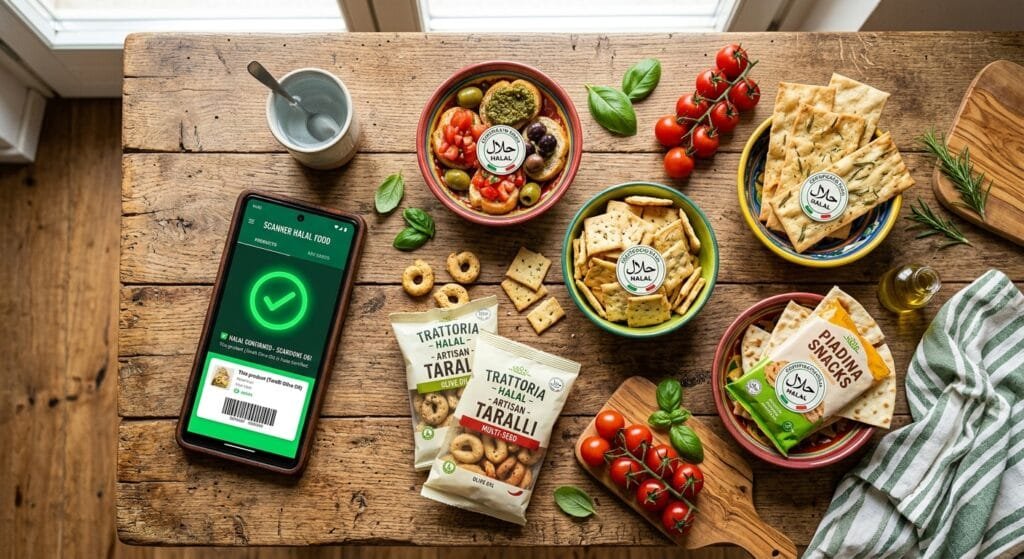
The **Food Scan Genius** app is designed to bridge the gap between complex ingredient lists and consumer peace of mind. By leveraging smart scanning technology, the app reviews ingredient labels in real time, instantly flagging allergens, animal-derived products, and non-halal components. Whether you are checking a box of crackers in Milan or inspecting imported sweets in Rome, the app breaks down complex chemical names and E-codes into clear, actionable insights tailored to your personal dietary profile.
What Users Are Saying
“Traveling through Italy used to mean spending twenty minutes translating every single Italian label on snack packages or skipping treats altogether. Since I started using Food Scan Genius, I can scan a barcode or ingredient list in seconds and instantly know if it fits my dietary needs. It has completely changed how I explore local markets!”
Ready to take the stress out of reading ingredient labels? Download Food Scan Genius today and enjoy complete dietary confidence wherever your travels take you.
Frequently Asked Questions
Are all Italian snacks made with pork fat?
No, not all snacks contain pork, but traditional Italian baked goods, pastries, and crackers frequently utilize lard (*strutto*) or animal fats for texture and flavor. Always check the ingredient label for terms like *strutto* or *grasso suino*.
Where can I buy certified halal snacks in major Italian cities?
While major supermarkets like Coop and Carrefour carry limited imported selections in large urban centers like Milan and Rome, independent ethnic grocery stores and dedicated halal butcher shops offer the widest variety of certified products.
How can I verify E-numbers on Italian food packaging?
Certain E-numbers (such as animal-derived emulsifiers or gelatin-based thickeners) can be ambiguous. Tools like the Food Scan Genius app automatically cross-reference these codes against dietary databases to protect your preferences.
Is halal tourism expanding in Italy?
Yes, the sector is experiencing gradual growth as hospitality providers, tour operators, and food manufacturers recognize the economic value of welcoming international Muslim travelers and addressing domestic demographic shifts.