1. The Gluten Free Pasta Dilemma: Why Al Dente Texture and Clean Nutrition Feel Impossible
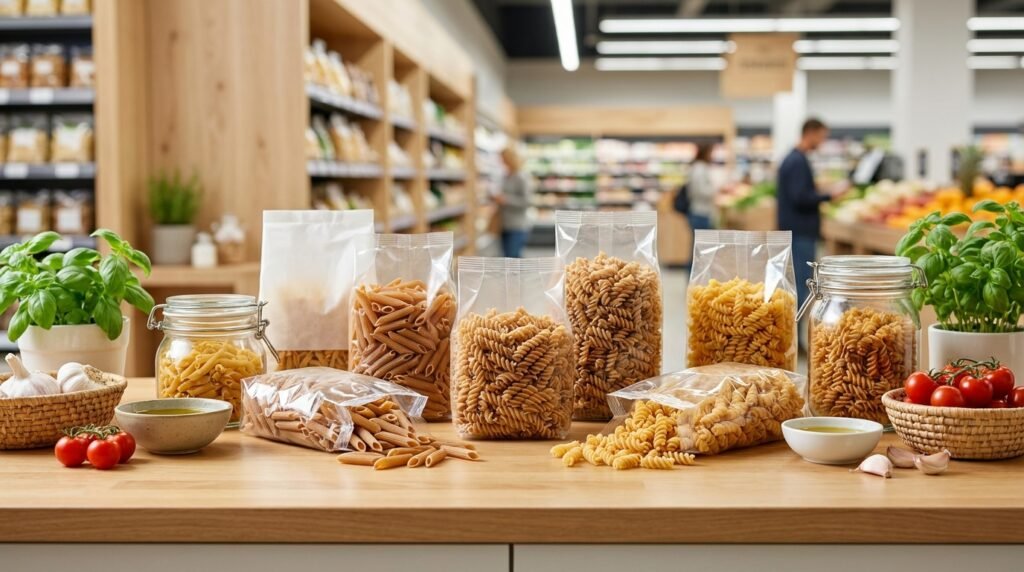
Standing in the pasta aisle when managing celiac disease, non-celiac gluten sensitivity (NCGS), or chronic inflammatory bowel disorders is an exhausting exercise in culinary skepticism. For decades, the pursuit of an authentic, toothsome al dente bite has led shoppers through a minefield of culinary disappointment: brown rice shapes that dissolve into gummy paste after six minutes, legume spirals that leave a gritty chalk coating, or corn-based blends that snap into brittle fragments. Beyond the sensory frustration lies an even deeper clinical anxiety. Navigating gluten free pasta requires intense vigilance against trace gluten, processing aids, and hidden starches that disrupt metabolic control and intestinal integrity.
The culinary challenge stems directly from food chemistry. Traditional pasta relies on the dual proteins glutenin and gliadin, which bond with water to form an elastic gluten matrix capable of trapping gelatinized starch granules during boiling. When manufacturers eliminate wheat, barley, and rye to satisfy the Celiac Disease Foundation Threshold Requirements (strict limits keeping finished foods below 20 parts per million of gluten), they must engineer novel macromolecular substitutes. Too often, commercial food scientists turn to heavily modified starches, synthetic gums, and industrial emulsifiers to mimic that lost elasticity, creating a product that may be technically gluten-free but biochemically taxing on sensitive digestive tracts.
Moreover, the modern grocery shelf presents a deceptive nutritional landscape. Many shoppers reach for gluten free pasta under the assumption that it represents a lighter, less inflammatory staple. Yet, standard commercial formulations routinely trade complex natural wheat nutrients for isolated corn starches, white rice flours, and maltodextrins that trigger dramatic postprandial glucose surges. Recent medical investigations, including critical PubMed Research on Ultra-Processed Foods & Gut Microbiome Disruption, emphasize that industrial hydrocolloids and synthetic binding agents used in reconstructed grain products can degrade the protective intestinal mucosal barrier, triggering the very dysbiosis and systemic inflammation that consumers are actively trying to heal.
Understanding which gluten free pasta delivers authentic Italian mouthfeel alongside verifiable nutrient density requires looking past glossy front-of-package marketing. Whether you are balancing blood sugar, managing pediatric celiac disease, or adhering to strict auto-immune protocols, evaluating pasta by grain architecture, protein quality, and additive purity is paramount.
Scan Any Label for Hidden Additives and Allergens — Free
Never second-guess confusing grocery labels again. Download Food Scan Genius to uncover hidden additives, toxic dyes, and allergens for the whole household before you buy.


2. Ranked Pasta Architectures and Sneaky Additives Lurking on the Shelf
Not all gluten-free flours behave identically in boiling water or human digestive enzymes. Through extensive sensory evaluation and clinical ingredient audits, we rank the five primary pasta bases by their culinary and metabolic performance:
- Corn & Brown Rice Blends (The Culinary Gold Standard): Blends utilizing non-GMO yellow corn, white corn, and whole brown rice offer the closest sensory match to semolina. The corn carotenes provide an authentic golden hue, while the starch synergy resists breakdown, delivering true al dente resilience without chalkiness.
- 100% Single-Ingredient Legumes (Nutritional Powerhouses): Red lentil, chickpea, and black bean pastas deliver upwards of 14 grams of plant-based protein and 8 grams of prebiotic fiber per serving. However, their culinary window is unforgiving: an extra 45 seconds of boiling can transform them into structural mush, and their distinct earthy flavor profile demands robust sauces like ragù or arrabbiata.
- 100% Buckwheat / Pizzoccheri (Ancient Grain Sophistication): Despite its deceptive name, buckwheat is a naturally gluten-free pseudocereal packed with the antioxidant rutin and magnesium. It yields an earthy, nutty flavor with robust tensile strength, though pure formulations require diligent verification to ensure no wheat flour was cut into the mill batch.
- Cassava & Grain-Free Roots (Paleo & AIP Friendly): Derived from whole yuca root, cassava pasta provides an elastic bite without grains, corn, or soy. While gentle on hyper-reactive gut linings, its glycemic load is high, requiring moderate portion control for metabolic health.
- Konjac / Shirataki (Caloric Void): Composed almost exclusively of glucomannan soluble fiber, konjac noodles offer near-zero carbohydrates. However, their rubbery, slippery mouthfeel fails to replicate pasta, and they provide negligible micronutrient density.
Beneath these primary ingredients, manufacturers frequently conceal industrial additives that compromise safety and wellness. To safeguard your health according to European Food Safety Authority (EFSA) Additive Safety Regulations and the World Health Organization Guidelines on Healthy Diets & Saturated Fats, watch out for these deceptive formulations:
- Deglutenized Wheat Starch (Codex Wheat Starch): While chemically washed to lower gluten levels below 20 ppm, this controversial starch can still elicit adverse immune responses in hyper-sensitive celiac patients and is unsafe for individuals with true wheat allergies.
- Mono- and Diglycerides of Fatty Acids (E471): Frequently added as anti-staling and structural texturizers to keep gluten-free strands from clumping, these synthetic emulsifiers bypass traditional fat labeling yet can disrupt gut microbial homeostasis.
- Excessive Hydrocolloid Cocktails: Combining Xanthan Gum, Guar Gum, and Sodium Carboxymethylcellulose (CMC) creates an artificial structural network that can induce severe bloating, gas, and digestive cramping in individuals with visceral hypersensitivity.
- Hidden Barley Malt Extract & Unspecified Flavorings: “Natural flavorings” in flavored or seasoned pasta boxes frequently derive from barley malt, which introduces unlisted gluten proteins into seemingly benign pantry items.
- Refined Potato and Tapioca Starch Flooding: Cheaper filler starches that inflate the carbohydrate count, spike blood sugar indexes past pure white bread, and displace whole-food dietary fiber.
- Unregulated Shared Milling Lines: Packaging claiming “No Gluten Ingredients” without certified lab audit badges, exposing high-risk shoppers to cross-contact from adjacent wheat processing conveyor belts.
3. Precision Ingredient Verification: Food Scan Genius vs. Legacy Methods
| Feature / Capability | Food Scan Genius | Fig App | Spoonful | Manual Label Reading |
|---|---|---|---|---|
| Core Price & Accessibility | 100% Free Core (Zero Paywalls) | $59.99/year Paywall | Limited Free Scans / Monthly Sub | Free (High Effort) |
| Database Scale & Parsing | 5M+ UPCs (NutriGraph AST Recursive Engine) | Curated Retail Catalog | Crowdsourced Database | Human Visual Check (Error Prone) |
| Multi-Household Screening | Yes (1 Scan audits family profiles, e.g., ‘Fails for Sri’) | Single User Profile Focus | Single Profile Only | Manual Multi-Check Mental Fatigue |
| Dietary & Sensitivity Depth | 39 Built-in Profiles + Custom Sensitivities | Robust Built-in Diets | Primarily Low-FODMAP Focused | Limited to Consumer Knowledge |
| Processing & Health Context | ScanGenius AI Insight + NOVA 1-4 + Nutri-Score | Binary Red/Yellow/Green Flags | Traffic-Light Ingredient Flags | None |
| Multilingual Translation | 11 Languages with Real-Time Scanning | English Centric | English Centric | Requires Translation Apps |
While legacy scanning applications lock vital safety tools behind expensive subscriptions or reduce complex food chemistry down to simplistic, moralizing good-versus-bad scores, Food Scan Genius takes an authoritative clinical approach. Powered by the enterprise NutriGraph Database spanning over 5,000,000 verified UPC and EAN barcodes, our infrastructure utilizes deep sub-ingredient Abstract Syntax Tree (AST) parsing. This means our engine does not merely scan the word “pasta”; it recursively unpacks sub-components like “seasoning blends,” “modified food starches,” and hidden binders to identify whether an emulsifier originates from soy, corn, or deglutenized wheat.
Rather than issuing judgmental scores that leave you guessing why a product was flagged, ScanGenius AI Insight delivers objective, nuanced scientific context. You instantly see the verified NOVA 1–4 ultra-processing classification, official Nutri-Score, and a clear breakdown of how the pasta aligns with your metabolic and digestive parameters. If you are grocery shopping for an entire family with diverse needs—such as an autoimmune gluten allergy for one child, a legume sensitivity for another, and low-FODMAP requirements for yourself—a single two-second barcode scan screens all profiles simultaneously, clearly showing exactly who a product is safe for and who it triggers an alert for.
4. Related Food Safety & Dietary Guides
- Best Food Allergy Scanner App – Scan Food Labels Instantly — Food Allergy & Sensitivity Scanner Hub
- The 7 Best Free Food Scanner Apps of 2026 — best free food scanner apps
- Choosing the Best Barcode Scan App for Your Health — guide to choosing a barcode scanner app
- Food Scan Genius: World’s #1 Food Ingredient Scanner App — Food Scan Genius scanner app
5. Scientific & Health Authority References
- Celiac Disease Foundation Threshold Requirements
- European Food Safety Authority (EFSA) Additive Safety Regulations
- PubMed Research on Ultra-Processed Foods & Gut Microbiome Disruption
- World Health Organization Guidelines on Healthy Diets & Saturated Fats
6. How to Scan in 3 Simple Steps
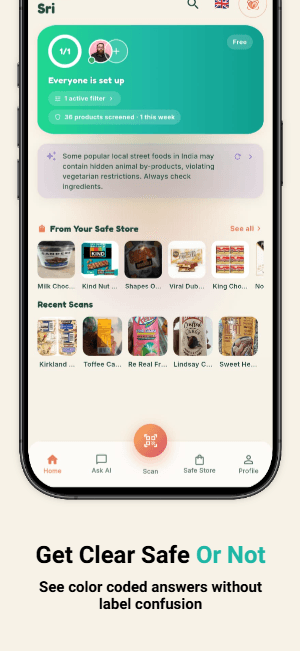
- Download the Food Scan Genius app for free on iOS or Android with zero paywalls or scan limits.
- Select Celiac or Gluten-Free from the 39 clinical profiles, set up family members, and add custom triggers like gums, seed oils, or specific grain starches.
- Scan any pasta barcode in the aisle for a 2-second recursive ingredient audit, instant family safety attribution, and AI-driven processing insights.
Instant Gluten-Free Audit Trail
7. Frequently Asked Questions (FAQ)
How do I prevent gluten free pasta from getting mushy when cooking?
Gluten-free starch matrices lack the elastic protein binding of traditional semolina, making them extremely sensitive to overcooking. Always use a large pot with ample boiling water (at least 4 quarts per pound) to prevent starches from concentrating into a viscous slurry. Salt the water generously, start tasting the pasta 2 minutes before the package cooking time finishes, and immediately shock it with a gentle splash of cool water or toss directly with hot sauce to halt gelatinization. High-corn or brown rice blends hold their structure best under traditional al dente prep.
Is gluten free pasta always healthier than standard wheat pasta?
Not necessarily. Many commercial gluten free pastas rely on isolated white rice flour, corn starch, and potato flour, which possess higher glycemic index values than traditional durum wheat semolina. Durum naturally contains protein structures that slow carbohydrate absorption. Furthermore, many gluten-free alternatives require synthetic thickeners like xanthan gum or mono- and diglycerides to maintain their shape. For maximum nutrition, opt for 100% legume pastas (chickpea or red lentil) or certified whole-grain buckwheat, which provide substantial fiber and plant protein.
Can someone with celiac disease safely consume pasta made with ‘wheat starch’?
Only if it is explicitly labeled as certified gluten-free ‘Codex Wheat Starch’ (deglutenized wheat starch processed to contain under 20 ppm of gluten). While legally permitted in gluten-free foods under FDA and EFSA regulations, many individuals with severe celiac sensitivity or wheat allergies still experience gastrointestinal reactions to residual proteins. Food Scan Genius allows you to add custom sensitivities to flag any form of wheat starch immediately during a scan.
How does Food Scan Genius catch hidden gluten that other barcode apps miss?
Standard scanner apps perform basic keyword string matches on parent ingredients, frequently missing sub-ingredients hidden within ambiguous categories like ‘natural flavors,’ ‘malt extract,’ ‘caramel color,’ or ‘vegetable gum.’ Food Scan Genius operates on the NutriGraph Database with recursive AST parsing, cross-referencing over 5 million products to inspect deep sub-components and identify shared-facility allergen warnings across 11 languages.
Know What’s In Your Food Before You Buy — Scan Free Today
Never second-guess confusing grocery labels again. Download Food Scan Genius to uncover hidden additives, toxic dyes, and allergens for the whole household before you buy.