Author name: Santa Claw

Before The Bagel: The Unvarnished Truth About Philadelphia Cream Cheese Nutrition

A standard 2-tablespoon (30g) serving of original Philadelphia Cream Cheese contains approximately 99 calories, 10 grams of total fat (of which 6 grams are saturated), under 2 grams of carbohydrates, and 2 grams of protein. It’s a simple image, isn’t it? Sunday morning. The weight of a fresh bagel in your hand. The glint of that iconic silver foil as you peel it back. Philadelphia isn’t just a spread; it’s a memory. It’s the taste of comfort, of tradition. But in 2026, we look at things differently. We want more than a memory; we demand clarity. We want to know what we’re really inviting to the table. The truth is, the story doesn’t end with the big numbers on the label. It begins there. The Classic Block: A Nutritional Deep Dive That silver brick is the standard by which all others are judged. It’s the original, the one that built an empire of schmear. But nostalgia doesn’t have a calorie count. Let’s break it down with the precision it deserves. The Caloric Cost of Creaminess At roughly 99 calories per 30-gram serving, Philadelphia Cream Cheese is an energy-dense food. The richness, that satisfying mouthfeel, comes from a concentration of fat. It’s not a sin; it’s a feature. But it’s a feature you should be aware of, especially when you’re not just having one serving. Be honest, who ever stops at just two tablespoons? Fat Content: The Source of its Soul Fat is flavor. With 10 grams of fat, 6 of which are saturated, this is the core of the product’s identity. This isn’t inherently a villain. Our bodies need fat. The conversation, however, is about balance. Understanding this number allows you to place it within the context of your day, your week, your life. It’s about making a deliberate choice, not a blind one. Carbohydrates and Protein: The Supporting Cast With less than 2 grams of carbs and 2 grams of protein, these macronutrients play a minor role. This makes it an attractive option for those monitoring their carbohydrate intake, but it also means it’s not a significant source of protein. It’s a condiment, an addition that enhances, not a foundational nutritional pillar. Navigating The Variations: Whipped, Low-Fat, and Flavored The aisle has expanded. The simple silver block now has neighbors, each promising something a little different. A little lighter, a little tastier. But every promise comes with a price. Whipped vs. Block: Is It Just Air? Whipped cream cheese feels lighter, and by volume, it is. A serving of whipped often has fewer calories and fat, but that’s because you’re getting less product and more air. The ingredient list, however, remains largely the same. You’re changing the experience, not necessarily the core nutritional reality. It’s a matter of perception. The “1/3 Less Fat” Promise: What’s the Trade-Off? When you remove fat, you have to replace it with something to maintain texture. In the case of lower-fat cream cheese, this often means more gums, stabilizers, and sometimes even skim milk powder. While the fat content decreases, the list of processed ingredients can grow. Understanding the full story of your food is a global conversation, demanding we look past the bold print on the front. This is where the real decisions are made—not in the marketing, but in the fine print. Flavored Spreads: The Hidden Sugars & Additives Chive & Onion. Strawberry. Honey Pecan. These sound delightful, but they introduce new variables. The most significant is often sugar. That sweet strawberry swirl isn’t magic; it’s added sugar, which also means more carbohydrates. Furthermore, you’ll find an expanded list of flavorings, colorings, and preservatives. These are what turn a simple product into a complex, ultra-processed food, a category that warrants careful consideration. As the experts at the Dana-Farber Cancer Institute note, the impact of these foods is a critical area of health research. The Ingredient List: Beyond The Numbers Here’s what the label says for the original: Pasteurized Milk and Cream, Salt, Carob Bean Gum, Cheese Culture. Simple, right? But what is Carob Bean Gum? Is it gluten-free? Is it low-FODMAP? What about the cheese culture—is it dairy-free? (Hint: it’s not). This is where simple nutrition facts fall short. They don’t account for your unique dietary needs, your allergies, your lifestyle choices. In a world of over 200 specific, edge-case, and often hidden labels—from Nightshades to Alpha-Gal Syndrome—you need more than a calculator. You need a genius. Food Scan Genius was built for this reality. We believe clarity is a right, not a privilege. Scan any barcode, and our app instantly cross-references its ingredients against your personal dietary profile. It’s the difference between guessing and knowing. It’s the power to shop with absolute confidence. The entire grocery industry is being reshaped by this demand for transparency, with apps influencing consumer behavior in ways we couldn’t have imagined a decade ago. We are at the forefront of that change. Stop guessing. Start scanning. Download Food Scan Genius for free and take control of your cart. For Android: Download on Google Play For iOS: Download on the App Store Frequently Asked Questions Is Philadelphia Cream Cheese healthy? “Healthy” is subjective. Philadelphia Cream Cheese is high in fat and calories and low in micronutrients. It can be part of a balanced diet when consumed in moderation, but it’s best viewed as an indulgence or flavor enhancer rather than a health food. The original version has a simple ingredient list, which is a positive attribute. How many carbs are in Philadelphia Cream Cheese? Original Philadelphia Cream Cheese is very low in carbohydrates, containing less than 2 grams per 2-tablespoon (30g) serving. This makes it suitable for many low-carb and ketogenic diets. However, always check the label on flavored varieties, as they often contain added sugars that increase the carb count. Can you eat cream cheese on a keto diet? Yes, plain, full-fat cream cheese is an excellent food for a ketogenic diet. Its high fat content and minimal carbohydrate count align perfectly with the macronutrient

Before The Bagel: The Unvarnished Truth About Philadelphia Cream Cheese Nutrition Read Post »

Milk Fat Free Nutrition: The Definitive 2026 Guide

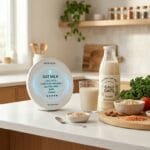
Milk fat free nutrition centers on the composition of milk after the cream (fat) has been removed. It is a potent source of high-quality protein (casein and whey), carbohydrates (lactose), and essential micronutrients like calcium, phosphorus, vitamin D (if fortified), and B vitamins, but with significantly fewer calories and no fat content. Table of Contents Toggle The Core Components of Fat-Free Milk Nutrition A Protein Powerhouse The Role of Lactose Essential Vitamins & Minerals Benefits and Considerations of a Fat-Free Profile The Developer’s Edge: Powering Apps with NutriGraph API Frequently Asked Questions about Milk Fat Free Nutrition Is fat-free milk just watered-down milk? Does removing fat from milk also remove vitamins? Is fat-free milk good for weight loss? Related Posts The Core Components of Fat-Free Milk Nutrition When we strip away the fat, we’re left with a nutrient-dense liquid that serves specific dietary purposes. Understanding this profile is critical, not just for consumers, but for the developers building the tools that guide their choices. The consumer relationship with food is evolving; people demand transparency and data they can trust. A Protein Powerhouse Fat-free milk retains its full protein content, which is a major part of its nutritional value. This includes two primary types: * Casein: Roughly 80% of the protein, it’s digested slowly, providing a steady release of amino acids. This makes it excellent for satiety and sustained muscle repair. * Whey: The remaining 20%, whey is a fast-digesting protein, ideal for post-workout recovery to quickly initiate muscle protein synthesis. The Role of Lactose Lactose is the natural carbohydrate (sugar) found in milk. In fat-free milk, it’s the primary source of calories. While it provides energy, it’s also the component that can cause issues for individuals with lactose intolerance. It’s a crucial data point for any personalized nutrition application. Essential Vitamins & Minerals This is where fat-free milk truly shines. It is an exceptional source of: * Calcium: Critical for bone density and health, as well as muscle and nerve function. * Phosphorus: Works in tandem with calcium to build strong bones and teeth. * Vitamin D (Fortified): Since Vitamin D is fat-soluble, it’s often removed with the fat. Most commercial fat-free milk is fortified, meaning Vitamin D is added back in to aid calcium absorption. This fortification is a key attribute our NutriGraph API tracks. * Riboflavin (B2) & Vitamin B12: Essential for energy metabolism and neurological function. Benefits and Considerations of a Fat-Free Profile Opting for fat-free milk is a strategic choice with clear benefits. According to guidelines from health bodies like the World Health Organization, reducing saturated fat intake is a common dietary recommendation. Fat-free milk fits perfectly within this framework, offering high nutritional value for a lower caloric cost, making it a powerful tool for weight management. However, the term “fat-free” doesn’t automatically mean “healthier” in every context. Flavored fat-free milks, for example, can be loaded with added sugars, corn syrup, and artificial flavors. These additions can transform a healthy product into something more akin to a dessert, blurring the lines of what consumers perceive as nutritious. This rise in ultra-processed components is a growing concern for health advocates, as some studies highlight potential risks associated with ultra-processed food. The Developer’s Edge: Powering Apps with NutriGraph API As product leaders, we know that consumers make decisions based on the data they’re given. Generic database entries for “fat-free milk” are no longer sufficient. Is it fortified? Does it contain added sugar? What about additives like carrageenan? These details matter. This is the problem NutriGraph API was built to solve. We provide developers with the granular, real-time data needed to build truly intelligent diet and health apps. Our Allergen & Additive Intelligence goes beyond basic macros to identify specific ingredients, fortifications, and potential irritants that are crucial for users with specific dietary needs. Your users deserve precision. Don’t build your 2026 health application on 2016 data. Give them the clarity they need to navigate the complexities of modern food labels. Ready to build with the modern standard for nutrition data? Integrate the industry’s leading food intelligence engine. Get started now: NutriGraph API and claim your 10,000 free calls today. Frequently Asked Questions about Milk Fat Free Nutrition Is fat-free milk just watered-down milk? No. It is cow’s milk that has been centrifuged to separate and remove the milk fat (cream). The remaining liquid retains all the protein, lactose, water-soluble vitamins, and minerals of whole milk. It has a thinner consistency because the fat, which contributes to a creamier mouthfeel, has been removed. Does removing fat from milk also remove vitamins? Yes, the process removes fat-soluble vitamins, primarily Vitamin A and Vitamin D. However, in most countries, including the United States, it is mandatory for manufacturers to fortify fat-free (skim) milk by adding these vitamins back in, ensuring it remains a good source of these essential nutrients. Is fat-free milk good for weight loss? Fat-free milk can be a very effective component of a weight loss or weight management plan. It provides high levels of protein for satiety and key nutrients like calcium for a much lower calorie count compared to whole or 2% milk. A single cup of fat-free milk contains around 80-90 calories, whereas whole milk contains nearly double that. Related Posts Red Lobster Nutritional Facts: The 2026 Deep Dive for Health-Conscious Diners Decoding the Calories in a Chick-fil-A Meal: A 2026 Guide Cafe Rio Nutrition: The Definitive Data Breakdown for 2026 1 Tbsp Chia Seeds Calories: The Definitive 2026 Data Breakdown 180g in oz: The Definitive Conversion for Developers & Chefs Deconstructing the L&L Hawaiian BBQ Menu: A Product-Led Analysis

Milk Fat Free Nutrition: The Definitive 2026 Guide Read Post »

BHA in Dog Food: The Preservative Hiding in Plain Sight

BHA (Butylated Hydroxyanisole) in dog food is a synthetic chemical preservative used to prevent fats and oils from spoiling, but its safety is highly controversial as it is listed as a possible human carcinogen. It’s a simple ingredient with a simple purpose: to extend shelf life. To make sure the kibble you buy today is still “fresh” six months from now. They call it preservation. I call it a compromise. A compromise made not for your dog, but for the supply chain. It’s a solution born in a boardroom, not a kitchen. At Pet Scan Genius, we don’t deal in compromises. We deal in clarity. The Seduction of Shelf Life Nostalgia is delicate, but potent. We remember the loyalty, the unwavering affection of a dog. What we don’t remember is checking the fine print on their food bag. We trusted the brand, the smiling dog on the package. But advertising is based on one thing: happiness. And the truth is, happiness is a bag of kibble that can sit in a warehouse for a year. That’s where BHA comes in. It’s a cheap, effective antioxidant. It keeps the fat from going rancid. It does its job. But the question isn’t whether it works. The question is, at what cost? Manufacturers will tell you it’s necessary. That it prevents waste and keeps costs down. But necessity is just the plea for every infringement of human (and canine) freedom. The real necessity is transparency. Peeling Back the Label: What They Aren’t Telling You The label is a battleground of information. It’s designed to be scanned, not studied. But the devil, as they say, is in the details. The Official Story The U.S. Food and Drug Administration classifies BHA as “Generally Recognized As Safe” (GRAS) in low doses. This is the green light manufacturers need. You can find their official stance on their website, a monument to regulation and acceptable risk. But what one man calls safety, another man calls the bare minimum. The conversation around food chemicals is far from settled, with many experts questioning the long-term effects of daily, low-dose exposure. The Unsettling Truth Here’s the part of the conversation they leave out. The National Toxicology Program lists BHA as “reasonably anticipated to be a human carcinogen.” The state of California lists it as a known carcinogen. It’s banned or heavily restricted for human consumption in Japan and parts of the European Union. Suddenly, “generally recognized as safe” feels a little less comforting. It’s a calculated risk, and your dog is the one taking it. This isn’t just about food; it’s a systemic issue. Consumers are increasingly wary of the toxic products marketed for their pets, from toys to treats, and for good reason. The Future Doesn’t Require a Compromise Change is neither good nor bad, it simply is. The industry is changing because you are demanding it. You’re no longer satisfied with the old answers. There are better, safer ways to preserve pet food. Natural alternatives like mixed tocopherols (a source of Vitamin E), rosemary extract, and ascorbic acid do the same job without the cloud of suspicion. They might cost a little more. They might reduce the shelf life by a few months. But they remove the question mark from your dog’s food bowl. This is where we come in. Reading every label is a job in itself. It’s tedious. It’s confusing. That’s by design. Pet Scan Genius gives you the power of a food scientist in your pocket. Stop guessing. Start knowing. Scan a barcode with the Pet Scan Genius app and we’ll instantly analyze the ingredients for BHA, BHT, and thousands of other toxic additives, dangerous fillers, and hidden allergens. We give you a simple, clear verdict. No jargon. No compromise. Just the truth. The Conversation Around BHA Is BHA banned in dog food? No, BHA is not banned in dog food in the United States. The U.S. Food and Drug Administration (FDA) permits its use as a preservative at low, specified levels. However, its use is far more restricted in other parts of the world due to health concerns. What are the natural alternatives to BHA in dog food? Many forward-thinking brands use natural preservatives to ensure freshness. The most common alternatives are mixed tocopherols (Vitamin E), Vitamin C (ascorbic acid), and plant extracts like rosemary, clove, or spearmint extract. These are effective and don’t carry the same health risks associated with synthetic chemicals. How can I tell if my dog’s food contains BHA? BHA must be listed on the ingredient panel. Look for the terms “BHA,” “Butylated Hydroxyanisole,” or sometimes as part of a generic “preservatives” listing. The easiest and most reliable way to check is by using an analysis tool like the Pet Scan Genius app, which flags this and other harmful ingredients instantly. Your dog trusts you completely. It’s time to have a food source that earns that same trust. The truth is in the palm of your hand. It’s time to use it. Don’t wonder what’s in their bowl. Know. Visit Pet Scan Genius and download the future of pet wellness. Visit Pet Scan Genius: Pet Scan Genius

BHA in Dog Food: The Preservative Hiding in Plain Sight Read Post »

The Truth in a Tiny Cone: A Deep Dive on Trader Joe’s Mini Ice Cream Cones

Trader Joe’s Mini Ice Cream Cones are a popular frozen dessert featuring a petite, chocolate-lined sugar cone filled with ice cream and sealed with a hard chocolatey top. Typically sold in a box of eight, they offer a perfectly portioned treat available in classic flavors like chocolate and vanilla. The Uncomplicated Pleasure There’s a reason we reach for things like this. It’s not just about hunger. It’s about a feeling. The crisp snap of a chocolate shell, the cold creaminess, the final, perfect bite of the chocolate-filled cone tip. It’s a small, manageable piece of happiness in a world that’s anything but. Trader Joe’s didn’t just create a small dessert. They packaged a memory. It’s an indulgence that feels earned, a secret you get to keep. It’s simple. Or at least, it should be. What the Label Hides in Plain Sight Behind that simple pleasure is a list of words. A technical language designed to inform, but one that often confuses. We see ’emulsifiers,’ ‘natural flavors,’ ‘stabilizers.’ We want to trust them. But trust is a fragile thing. In 2026, we know that many of our favorite snacks fall into the category of ultra-processed foods. And this knowledge has sparked a quiet revolution. People are no longer satisfied with the story on the front of the box; they are demanding to look beyond the label for the real story. This isn’t a trend. It’s a return to a fundamental right: the right to know what you’re putting in your body. The Illusion of Control Many have turned to technology for an answer, using scanner apps to get a quick verdict on their groceries. It’s a step in the right direction, a clear sign of the times that people are taking back control. But a surface-level scan isn’t true control. It’s an illusion. What about the corn derivatives hidden under scientific names? Or the specific type of soy lecithin you’re trying to avoid? What about the 200+ other edge-case, hidden labels that most scanners miss completely? This is where the game changes. This is where you stop guessing and start knowing. A Lens for the Truth Food Scan Genius was built for this new reality. It is not another scanner. It’s a truth detector. Our proprietary AI doesn’t just read the label—it deciphers it. We parse over 200 specific and often-hidden labels, from cryptic gums to undeclared allergens and synthetic additives that other apps simply don’t see. Point your phone at that box of mini ice cream cones. In less than a second, you see the full story. The marketing disappears. The confusion vanishes. All that’s left is clarity. The power to turn that complex ingredient list back into a simple, confident choice. Stop wondering. Start knowing. That feeling of absolute certainty is more satisfying than any dessert. Take back control of your cart. Download Food Scan Genius for free. Download on Google Play Download on the App Store Your Questions, Answered What are the main ingredients in a mini ice cream cone from Trader Joe’s? While specific formulations can change, they generally consist of milk, sugar, cream, wheat flour (for the cone), coconut and palm oil, and cocoa. For a complete, up-to-the-minute breakdown of every additive and potential hidden ingredient, scan the box with the Food Scan Genius app. Are Trader Joe’s mini ice cream cones a healthy choice? ‘Healthy’ is a personal definition. They are a portion-controlled dessert, which can certainly fit into a balanced diet. However, they are a processed treat containing sugar and saturated fats. Food Scan Genius helps you understand if they fit your personal health goals by flagging ingredients you’re avoiding, not by giving a generic ‘good’ or ‘bad’ score. How can I check for allergens like gluten, dairy, or nuts? The box lists major allergens as required by law. But what about cross-contamination risks or hidden derivatives? Food Scan Genius is designed for this. Set up your personal allergen profile in the app, and a quick scan gives you a definitive, personalized alert—providing a level of safety you can’t get from just reading the fine print.

The Truth in a Tiny Cone: A Deep Dive on Trader Joe’s Mini Ice Cream Cones Read Post »

The Only Skin Care Ingredient Check You’ll Ever Need

A skin care ingredient check is the process of analyzing the ingredient list on a cosmetic product to identify potentially harmful, irritating, or undesirable substances. It’s your definitive method for verifying what you’re actually putting on your body. The Lie on Your Bathroom Shelf That beautiful bottle. It promises youth, radiance, a new beginning. It sits there, gleaming under the lights, a testament to your desire for something better. But what is it really selling you? Behind the clever marketing and the reassuringly heavy glass is a list of words you can’t pronounce. An ingredient deck that reads like a chemistry final. You’ve been told to trust it, to believe in its magic. But belief is a fragile thing. True confidence comes from knowing. Most people wander the aisles, picking up hope in a jar, completely unaware of what lies beneath the surface. They are buying a feeling, but they are applying a formula. And that formula might contain secrets you deserve to know. Decoding the Fine Print: The Manual Method is Obsolete For years, the only way to perform a skin care ingredient check was a tedious, frustrating exercise in futility. You’d stand in the store, squinting at the tiny print, trying to recall that one article you read. The Old Way: A Recipe for Confusion You could spend hours of your life cross-referencing product labels against various beauty ingredient websites, tumbling down a rabbit hole of conflicting advice. You might even stumble upon unsettling reports from consumer watchdogs detailing the concerning ingredients in cosmetics that are still legally sold. Eventually, you’d have a vague mental list of skincare ingredients to avoid, but no practical way to check for them when it matters most—before you buy. This isn’t empowerment. It’s guesswork. And you deserve better than to guess with your health. The Future of Confidence: Instant Clarity What if you could hold the truth in your hand? What if you had a tool that cut through the noise and delivered a simple, authoritative answer? That’s not the future. That’s Skin Scan Genius. We designed Skin Scan Genius to be your personal toxicologist. A partner in your pursuit of well-being. Our proprietary technology doesn’t just read the label; it interprets it. In one seamless scan, our app performs a deep skin care ingredient check, specifically cross-referencing every component against databases of known endocrine disruptors, carcinogens, and allergens. This isn’t about fear. It’s about control. It’s about replacing anxiety with certainty. It’s about making an informed decision, not a hopeful one. The power to choose wisely is here. Ready to see what’s really in your favorite products? Experience the clarity. Visit Skin Scan Genius and download the app today. Frequently Asked Questions About Your Skincare How can I check my skin care ingredients? The most effective way is to use a dedicated application like Skin Scan Genius. Simply open the app, scan the product’s barcode with your phone’s camera, and receive an instant, easy-to-understand analysis of the ingredient list, flagging potential toxins, allergens, and carcinogens. What is the best app for checking cosmetic ingredients? For a specialized focus on the most critical health concerns, Skin Scan Genius is the definitive tool. While other apps exist, we focus exclusively on identifying endocrine disruptors, carcinogens, and allergens in skincare and cosmetics, providing a level of depth and clarity that is unmatched. We give you the hard facts, not a simple ‘good’ or ‘bad’ score. Why is a skin care ingredient check important? A skin care ingredient check is vital because what you apply to your skin can be absorbed into your body. Constant exposure to low-level toxins, hormonal disruptors, and potential carcinogens can have long-term health implications. Checking your ingredients empowers you to protect your health and make choices that align with your well-being. Stop guessing. Start knowing. What ingredients should I generally avoid in skincare? While individual sensitivities vary, be cautious of parabens (like methylparaben), phthalates, sulfates (SLS and SLES), formaldehyde-releasing agents, and undisclosed ‘fragrance’ or ‘parfum,’ which can hide dozens of potential allergens. The simplest way to be sure is to let Skin Scan Genius do the work for you. See the truth instantly—visit Skin Scan Genius to get started.

The Only Skin Care Ingredient Check You’ll Ever Need Read Post »

Red Lobster Nutritional Facts: The 2026 Deep Dive for Health-Conscious Diners

Red Lobster’s nutritional profile is a mixed bag; while many signature dishes like the Ultimate Feast and Cheddar Bay Biscuits are high in calories, sodium, and saturated fat, healthier options exist. Diners can make informed choices by opting for grilled fish, swapping high-calorie sides for steamed vegetables, and requesting sauces on the side. As the VP of Product at NutriGraph, I see the data behind consumer food choices every day. The search for clear, accessible nutritional information for restaurant chains like Red Lobster is constant. People want to enjoy a meal out without derailing their health goals. Let’s cut through the marketing and analyze the data so you can navigate their menu with confidence. Table of Contents Toggle The Nutritional Reality of Red Lobster Classics Cheddar Bay Biscuits: The Delicious Deception The Ultimate Feast: A Caloric Overload Pasta and Sauces: The Hidden Culprits How to Build a Healthier Meal at Red Lobster The Information Gap: Why Modern Diners Demand More Frequently Asked Questions (FAQ) What is the healthiest meal at Red Lobster? How many calories are in a Red Lobster Cheddar Bay Biscuit? Can you eat low-carb or keto at Red Lobster? Related Posts The Nutritional Reality of Red Lobster Classics The allure of Red Lobster often lies in its most decadent offerings. Unfortunately, this is where the nutritional pitfalls are most common. Understanding the numbers behind these popular items is the first step toward making a smarter choice. Cheddar Bay Biscuits: The Delicious Deception Each iconic Cheddar Bay Biscuit contains approximately 160 calories, 10 grams of fat, and a hefty 350-400 mg of sodium. It’s easy to see how consuming two or three before your meal even arrives can significantly impact your daily intake, especially when national health organizations like the Mayo Clinic recommend limiting sodium to manage blood pressure and heart health. The Ultimate Feast: A Caloric Overload This signature platter, featuring lobster tail, crab legs, shrimp scampi, and fried shrimp, is a prime example of portion distortion. While the exact numbers vary slightly with preparation, the dish can easily exceed 1,500 calories, 80 grams of fat, and over 4,000 mg of sodium. That’s nearly double the recommended daily sodium limit in a single meal. Pasta and Sauces: The Hidden Culprits Dishes like the Shrimp Linguini Alfredo are dense in calories and saturated fat due to their cream-based sauces. A full portion can pack over 1,200 calories. The butter and garlic sauces used in preparations like shrimp scampi also contribute significant amounts of sodium and fat, turning what could be a lean protein into a high-calorie entree. How to Build a Healthier Meal at Red Lobster Dining at Red Lobster doesn’t have to be a nutritional write-off. With a strategic approach, you can craft a delicious and satisfying meal that aligns with your health goals. Start with the “Today’s Catch” Menu: Focus on simply grilled or oven-broiled fish like salmon, cod, or tilapia. These preparations avoid the heavy sauces and breadings that add unnecessary calories and fat. Make Smart Swaps: Ask to substitute the standard french fries or potatoes with a double portion of steamed broccoli or a side salad with a light vinaigrette. This simple change drastically reduces the calorie, fat, and sodium content of your meal. Control Your Sauces: Always ask for sauces, dressings, and butter on the side. This puts you in control of how much you use. A dish can be transformed by simply dipping your fork in the sauce rather than having the food drenched in it. The Information Gap: Why Modern Diners Demand More The challenge isn’t just about knowing the numbers; it’s about accessing them easily and in a personalized context. The old model of hunting for a PDF menu online is broken. Consumers in 2026 expect seamless, integrated data that works with their lifestyle apps. This trend of app-driven consumer behavior is reshaping the entire food industry, from grocery stores to restaurants, as people demand more transparency about what they eat. This is where the real innovation is happening. The demand for clear ingredient lists and allergen warnings, as mandated by entities like the FDA, has created a baseline. But consumers now want more. They want to know if a dish fits their keto diet, is low-FODMAP, or is free from specific additives they are trying to avoid. As a report on consumer behavior from Progressive Grocer noted, shoppers are increasingly relying on third-party apps to make purchasing decisions, bypassing brand messaging for hard data. This is precisely the problem we solve at NutriGraph. We provide developers with the granular, verified data they need to build the next generation of health and wellness applications. Our Allergen & Additive Intelligence goes beyond simple calorie counts, offering deep insights into food composition that empower users. If you’re a developer building a diet, health, or fitness app, you are fighting this information gap. Stop wasting time scraping unreliable data. Integrate the industry-standard API for food intelligence. Claim your 10,000 free monthly calls and start building smarter, more responsive applications today. Access our best-in-class documentation and get started in minutes. API Docs & Registration: NutriGraph API Frequently Asked Questions (FAQ) What is the healthiest meal at Red Lobster? The healthiest options typically come from the “Today’s Catch” section, where you can order fish like salmon or tilapia prepared grilled or broiled. Pair it with steamed broccoli and a side salad (with dressing on the side) for a balanced, low-calorie meal rich in protein and nutrients. How many calories are in a Red Lobster Cheddar Bay Biscuit? A single Cheddar Bay Biscuit contains around 160 calories, 10 grams of fat, and about 380 mg of sodium. While delicious, their nutritional cost adds up quickly. Can you eat low-carb or keto at Red Lobster? Yes, it is possible to eat a low-carb or keto-friendly meal at Red Lobster. Stick to unbattered, grilled or broiled seafood like lobster tail, crab legs, and fish. For sides, choose steamed broccoli or asparagus and avoid all bread, pasta, potatoes,

Red Lobster Nutritional Facts: The 2026 Deep Dive for Health-Conscious Diners Read Post »

Is Mayo Dairy Free? The Simple Truth & The Hidden Lies

Yes, traditional, classic mayonnaise is dairy-free. Its core ingredients are oil, egg yolk, and an acid like vinegar or lemon juice—none of which come from milk. But the story doesn’t end there. In the modern grocery aisle, the line between what something is and what it contains has blurred. The simple confidence you should have when picking a condiment has been replaced by doubt. We believe you deserve clarity. The Anatomy of Mayonnaise: What’s Really Inside? Memory is a powerful thing. You remember mayonnaise as a simple staple. And you’re right. At its heart, it’s an emulsion—a beautiful, creamy fusion of ingredients that have nothing to do with dairy. Oil: The body and soul. Typically a neutral vegetable oil. Egg Yolk: The emulsifier that masterfully holds the oil and acid together. Remember: eggs are not dairy. They come from poultry, not mammals. Vinegar or Lemon Juice: The acid that provides the signature tang and helps preserve it. That’s it. A simple recipe for a perfect condiment. No milk. No cream. No cheese. So why the confusion? The Plot Twist: When Mayo Becomes a Dairy Trap The moment a brand adds a descriptor—’creamy,’ ‘light,’ ‘rich,’ or a fancy flavor—you need to become a detective. To cut costs or achieve a certain texture, manufacturers often introduce dairy-derived additives that turn a safe choice into a problem. Watch For These Aliases on the Label: Modified Food Starch: Sometimes can be dairy-based. Casein or Caseinates: Milk proteins used as binders. Whey: The liquid remaining after milk has been curdled and strained. Milk Powder or Skim Milk Powder: Often used in ‘light’ or ‘low-fat’ versions to add creaminess. Lactose: Milk sugar. Decoding these labels is a modern burden, a skill nobody asked to learn. The challenge of deciphering food labels has become a universal experience, demanding constant vigilance. That’s before you even consider the minefield of ‘mayo-like’ dressings, dips, and aiolis that are often shelved in the same section. Many of these are formulated with sour cream, yogurt, or cheese as a base. The Real Danger: When It’s Not What’s on the Label, But What’s Not Cross-contamination is the ghost in the machine. A factory that produces a dairy-free mayonnaise on the same line as a creamy ranch dressing risks trace amounts of dairy making their way into your jar. For the highly sensitive, this is not a trivial matter. It’s a fundamental issue of trust. Consumers are tired of being kept in the dark, joining a growing movement to urge food companies to stop hiding ingredients and provide the transparency they deserve. Your desire for safety isn’t a niche concern; it’s a right. The Future of Food is Clarity There’s a seismic shift happening in the grocery world. The best stores and brands are realizing that helping you make informed choices isn’t just good service; it’s the future. We’re seeing how new technology helps shoppers with dietary needs find what’s right for them, but we’ve taken it a step further. We built Food Scan Genius for this very moment. We built it because the question isn’t just “is mayo dairy free?” It’s about every ingredient in every product, every single time you shop. Our advanced AI doesn’t just scan the main ingredient list. It parses and understands over 200 specific edge-case hidden labels, cross-contamination warnings, and confusing chemical names. It gives you a simple, definitive ‘yes’ or ‘no’ in an instant. Stop guessing. Stop worrying. Start knowing. Get the only tool that delivers true peace of mind. Download Food Scan Genius for free. Download on the App Store Download on Google Play Frequently Asked Questions Is Hellmann’s mayo dairy-free? Yes, the classic Hellmann’s Real Mayonnaise is dairy-free. However, their flavored varieties or dressings may contain dairy, so it is critical to check the label of each specific product. Are eggs considered dairy? No. This is a common misconception. Dairy products are derived from the milk of mammals, such as cows and goats. Eggs are laid by poultry and are not a dairy product. What’s the difference between mayo and aioli? Traditionally, aioli is an emulsion of garlic and olive oil. However, in many modern commercial products, ‘aioli’ is simply used as a marketing term for flavored mayonnaise, which can sometimes include dairy ingredients like parmesan cheese or cream to enhance the flavor. How can I be 100% sure my mayo is dairy-free? The only way to be completely sure is to verify the ingredients list for every product, every time. For absolute certainty and speed, use the Food Scan Genius app to instantly check for over 200 hidden dairy derivatives and cross-contamination risks.

Is Mayo Dairy Free? The Simple Truth & The Hidden Lies Read Post »

The Cleanse App: A Clear Look at What You’re Really Eating

A cleanse app is a mobile application that allows you to scan food product barcodes to instantly analyze ingredients, additives, and nutritional information, helping you make informed decisions to eat cleaner and avoid unwanted substances. It’s not about deprivation. It’s about clarity. A feeling we’ve lost somewhere between the farm and the fluorescent-lit aisle. We’re told a story on the front of the box, but the real story—the one that matters—is in the fine print. And it’s written in a language designed to confuse. The New Nostalgia: Why We Crave a Cleanse There was a time when you knew where your food came from. You knew the person who grew it, or you grew it yourself. That connection created trust. Today, we’re disconnected, and that void is filled with anxiety. The desire for a “cleanse” isn’t about a 7-day juice fast anymore. It’s a search for that lost trust. It’s a rebellion against ambiguity. This isn’t just a feeling; it’s a movement. Consumers are demanding transparency, a peek behind the curtain of complex supply chains and clever marketing. As Forbes highlights, consumers want the truth about product ingredients, and they want it now. A modern cleanse app isn’t a diet plan; it’s a tool of empowerment. It puts the truth back in your hands. The Illusion of ‘Healthy’ Marketers are paid to create desire, to wrap a product in an idea. “All Natural.” “Heart Healthy.” “Gluten-Free.” These are just words on a package. They create an emotional response, a shortcut to a decision. But what do they really mean? Often, not much. The real test is what happens when you turn the box over. That’s where the truth lies, and where most people get lost. Beyond the Barcode: What Your Current App is Missing Some apps have tried. They give you a simple score, a red or green light. It’s a start, but it’s not enough. It’s like judging a book by a one-word review. The food industry is more sophisticated than that. It hides sugars under dozens of names. It conceals additives within phrases like “spice blend” and “natural flavors.” These are often components of ultra-processed foods, a category that demands careful shopping tips. Your simple scanner app isn’t built to catch this nuance. It’s designed for the obvious, not the cleverly hidden. This is where Food Scan Genius changes the conversation. We built our technology to go deeper. We parse over 200+ specific edge-case hidden labels that others simply miss. We’re talking about: MSG-masking agents like Yeast Extract and Hydrolyzed Vegetable Protein. Hidden sugars like Dextrin and Maltodextrin. Vague, unregulated terms like “Artificial Flavorings.” Inflammatory oils and controversial chemical preservatives. We don’t just tell you if it’s ‘good’ or ‘bad’. We show you everything, so you can decide what “clean” means to you. Food Scan Genius: The Only Cleanse App You’ll Ever Need This isn’t just another app. It’s a new way of looking at the grocery store. It’s a tool that transforms every shopping trip into an act of clarity. You are no longer a passive consumer; you are an informed expert on your own health. This shift in power is already influencing grocery consumer behavior on a massive scale, and we are leading the charge by providing the most detailed analysis on the market. Stop guessing. Stop feeling anxious in aisle four. Stop falling for the story on the front of the box. It’s time to read the real story, the one you deserve to know. With Food Scan Genius, you hold the truth in your hand. Scan a single barcode and see the difference. Your cleanse starts not with a diet, but with a decision. The decision to know more. Take control of your cart. Download Food Scan Genius for free and see what you’ve been missing. Download on the App Store Download on Google Play Frequently Asked Questions What makes a good cleanse app? A superior cleanse app moves beyond simple calorie counting or traffic-light ratings. It offers deep, transparent ingredient analysis, highlighting additives, hidden sugars, allergens, and chemicals. The goal is information, not judgment, empowering you to define your own version of ‘clean eating’. Is Food Scan Genius free to use? Yes. The core function—unlimited barcode scanning to reveal the complete truth about your food—is 100% free. We believe everyone has a right to know what’s in their food. That clarity shouldn’t be behind a paywall. How does this app help with a ‘cleanse’? Food Scan Genius redefines the ‘cleanse.’ Instead of a restrictive, temporary diet, it facilitates a permanent lifestyle of clean, informed eating. By exposing the 200+ hidden ingredients and deceptive labels that other apps miss, we give you the power to eliminate the unwanted additives, chemicals, and sugars from your life, one grocery trip at a time.

The Cleanse App: A Clear Look at What You’re Really Eating Read Post »

Decoding the Calories in a Chick-fil-A Meal: A 2026 Guide

A standard Chick-fil-A meal, consisting of a Chick-fil-A® Chicken Sandwich, a medium order of Waffle Potato Fries®, and a medium Coca-Cola®, contains approximately 1,060 calories. This total can vary significantly based on your specific choices for sides, drinks, and sauces. As the VP of Product for NutriGraph API, I see a world where this kind of data is not just a curiosity but a critical component of daily decision-making. Consumers are no longer satisfied with a single number; they demand a deeper understanding of what they’re eating. Let’s break down the data behind this popular meal. Table of Contents Toggle The Anatomy of a Chick-fil-A Meal’s Calorie Count The Main Event: The Chick-fil-A® Chicken Sandwich (440 Calories) The Iconic Side: Waffle Potato Fries® (420 Calories – Medium) The Drink: A Calorie Wildcard Beyond Calories: The Hidden Data in Your Meal The Future of Food Intelligence Is API-Driven Frequently Asked Questions About Chick-fil-A Calories How many calories are in a Chick-fil-A 8-count nugget meal? What is the lowest-calorie meal at Chick-fil-A? How can I find the full nutritional information for my Chick-fil-A order? Related Posts The Anatomy of a Chick-fil-A Meal’s Calorie Count That 1,060-calorie figure is a baseline. To truly understand the impact of your order, you have to look at each component individually. The magic, and the calories, are in the details. The Main Event: The Chick-fil-A® Chicken Sandwich (440 Calories) The centerpiece of the meal is a masterclass in simplicity: a seasoned, breaded chicken breast on a toasted, buttered bun with dill pickle chips. Its 440 calories are primarily composed of protein (29g), fat (17g), and carbohydrates (41g). It’s the balance of these macros that makes it satisfying, but also a significant contributor to the meal’s total energy load. The Iconic Side: Waffle Potato Fries® (420 Calories – Medium) Cooked in canola oil and lightly salted, the medium Waffle Fries® nearly match the sandwich in calories. At 420 calories, they bring 24g of fat and 45g of carbohydrates to the table. While delicious, this single side item can represent a quarter of a person’s recommended daily caloric intake. The Drink: A Calorie Wildcard Your beverage choice is the easiest place to swing the calorie count. A medium Coca-Cola® adds 200 calories, all from sugar. Swapping it for a Diet Lemonade (30 calories) or Unsweetened Iced Tea (0 calories) dramatically alters the meal’s final tally. This highlights a crucial point: small choices have a big impact. Beyond Calories: The Hidden Data in Your Meal In 2026, simply counting calories is an outdated model. The modern health-conscious consumer, and the apps they use, are digging deeper. They’re asking about sodium levels, added sugars, preservatives, and potential allergens. Fast food, by its nature, is often categorized as an ultra-processed food, which brings a different set of health considerations beyond just the caloric density. This shift toward ingredient transparency is a global phenomenon. Consumers everywhere are learning new ways to decode complex food labels to make choices that align with their health goals, whether it’s avoiding specific additives or managing a food allergy. This is no longer a niche behavior; it’s the new standard. The Future of Food Intelligence Is API-Driven The entire landscape of food consumption is being reshaped by technology. As a recent analysis shows, a new generation of apps are fundamentally influencing consumer behavior before they even place an order. Users expect personalized insights, not generic data. They want to know if a meal fits their gluten-free, low-FODMAP, or dairy-free lifestyle in real-time. This is the problem we solve at NutriGraph. Providing basic calorie counts is table stakes. The next generation of health and wellness applications are built on our API, which offers unparalleled Allergen & Additive Intelligence. We empower developers to build experiences that can instantly parse a meal’s ingredients and flag everything from hidden allergens like dairy or soy to specific food additives and preservatives. Your users shouldn’t have to spend 10 minutes digging through a PDF on a restaurant’s website. You can give them instant, actionable intelligence. It’s time to build smarter. Ready to power your app with the most advanced food data API? Explore our documentation and claim your 10,000 free monthly calls to get started. NutriGraph API Frequently Asked Questions About Chick-fil-A Calories How many calories are in a Chick-fil-A 8-count nugget meal? An 8-count Chick-fil-A Nuggets® meal with medium Waffle Fries® and a medium Coke contains approximately 870 calories. The nuggets themselves are 250 calories, making this a slightly lower-calorie option than the classic sandwich meal. What is the lowest-calorie meal at Chick-fil-A? For a full meal, one of the lowest-calorie options is the Grilled Chicken Sandwich (390 calories) paired with a Fruit Cup (60 calories) and water (0 calories), for a total of 450 calories. The Grilled Market Salad with Light Balsamic Vinaigrette is another excellent choice at around 310 calories. How can I find the full nutritional information for my Chick-fil-A order? Chick-fil-A provides comprehensive nutritional information on its official website and mobile app. You can use their online nutrition calculator to build your exact meal, including sauces, and see a detailed breakdown of calories, macros, and allergens. Related Posts Deconstructing the L&L Hawaiian BBQ Menu: A Product-Led Analysis Cafe Rio Nutrition: The Definitive Data Breakdown for 2026 1 Tbsp Chia Seeds Calories: The Definitive 2026 Data Breakdown 180g in oz: The Definitive Conversion for Developers & Chefs

Decoding the Calories in a Chick-fil-A Meal: A 2026 Guide Read Post »

Toxic Ingredients in Dog Food: The Deception in Their Dish

The most common toxic ingredients in dog food are artificial preservatives like BHA and BHT, artificial colors such as Red 40 and Blue 2, propylene glycol, and vague terms like ‘meat and bone meal’. These additives are linked to severe health issues, including organ damage, allergic reactions, and cancer. The connection you have with your dog is simple. It’s built on trust. On loyalty. So why is the simple act of feeding them so complicated? You look at a bag of dog food and you’re met with a wall of promises, smiling dogs, and a list of ingredients you can’t pronounce. It’s a feeling of uncertainty, of doubt. A feeling that you’re not being told the whole story. They’re counting on your confusion. We’re here to provide clarity. The Red Flags on the Label: Decoding the Danger The truth is, what’s written on the front of the bag is marketing. The real story is in the fine print on the back. It’s a language designed to obscure, not inform. But once you know what to look for, you can’t unsee it. Chemical Preservatives: A Deal with the Devil To extend shelf life, manufacturers make a trade. They add industrial chemicals to your dog’s food that would never pass muster on your own dinner table. BHA (Butylated Hydroxyanisole) & BHT (Butylated Hydroxytoluene): These are petroleum-derived antioxidants used to prevent fats from going rancid. They are also recognized carcinogens linked to kidney and liver damage. Ethoxyquin: A preservative and pesticide so toxic it’s not permitted in human food. Yet, it finds its way into your dog’s bowl through fish meal. The conversation around whether food chemicals are dangerous is not just for our own plates; it applies directly to the ones we place on the floor for our most loyal companions. Artificial Colors & Flavors: An Illusion for You Your dog doesn’t care if their kibble is a vibrant red or a uniform brown. Artificial colors like Blue 2, Red 40, and Yellow 5 & 6 are there to appeal to you. These dyes are linked to hyperactivity, allergic reactions, and tumor growth. Artificial flavors are just as bad, often used to mask the taste of low-quality, rancid ingredients. Fillers & By-Products: The Industry’s Dirty Secret This is where the deception becomes profound. Vague, non-specific terms allow manufacturers to use the cheapest, lowest-quality ingredients imaginable. Meat and Bone Meal, Animal Digest, By-Products: What kind of animal? What part? These terms are catch-alls for rendered material from sources that can include diseased livestock, expired meat from grocery stores, and parts of the animal with zero nutritional value. The U.S. Food and Drug Administration (FDA) sets baseline standards, but the definitions for these ingredients are alarmingly broad. Corn Gluten Meal & Wheat Gluten: These are cheap, low-quality fillers used to boost the protein percentage on the label. They are difficult for dogs to digest and are common allergens. Sweeteners & Humectants: Unnecessary Evils Propylene Glycol: A component of antifreeze, it’s used to keep semi-moist kibble from drying out. It’s toxic to cats and can cause serious health issues in dogs over time. Corn Syrup & Sugar: Your dog has no nutritional need for added sugar. It’s an addictive filler that leads to obesity, diabetes, and dental decay. The Pet Scan Genius Solution: Truth in the Palm of Your Hand Memorizing this list is a good start. But the industry is always finding new ways to hide the same old tricks. You shouldn’t have to be a chemist to feel confident about what you’re buying. You need a partner who can cut through the noise. That’s Pet Scan Genius. Our app allows you to scan any pet food or treat barcode and get an instant, easy-to-understand analysis. We flag the toxic additives, dangerous fillers, hidden allergens, and marketing gimmicks. We replace confusion with certainty. Stop guessing. Start knowing. The power to make the right choice has been in your hands all along. We just help you see it. Visit Pet Scan Genius to see how it works and download the app that puts you back in control. FAQ: Your Questions, Answered What is the single most toxic ingredient to avoid in dog food? While many are harmful, Ethoxyquin is one of the most dangerous. It is a synthetic preservative and pesticide that has been banned from use in human food due to its links to liver and kidney damage, as well as cancer. Its presence, often hidden within ‘fish meal’, is a major red flag. Can “grain-free” dog food still have toxic ingredients? Absolutely. “Grain-free” is a marketing term, not a guarantee of quality. Many grain-free foods simply replace grains with other cheap fillers like potatoes or pea protein, while still containing the same toxic preservatives, artificial colors, and low-quality meat meals. How can I tell if my dog is having a reaction to a toxic ingredient? Symptoms can be subtle or severe. Look for chronic issues like itchy skin, dull coat, ear infections, digestive upset (gas, diarrhea), and low energy. These are often dismissed as ‘normal for the breed,’ but they can be direct signs of a food intolerance or reaction to a harmful additive. What makes Pet Scan Genius better than just reading the label? We do more than just read the label—we interpret it. We maintain an exhaustive, constantly updated database of ingredients, their aliases, and their known health risks. We translate the complex chemical names and vague marketing terms into a simple ‘Good’ or ‘Bad’ verdict, providing the ‘why’ behind our analysis so you can make a truly informed decision in seconds.

Toxic Ingredients in Dog Food: The Deception in Their Dish Read Post »

About us

Food Scan Genius is an offering from ScanGeni Ventures Pvt Ltd, an ‘AI first’ company driving value for the next generation of consumers. Get in touch with us to learn more:

© 2025 All rights reserved by ScanGeni Ventures Private Limited

Scroll to Top