Food Scan Genius

The Truth in the Lines: The 2026 Guide to Scanning a Barcode for Dietary Supremacy

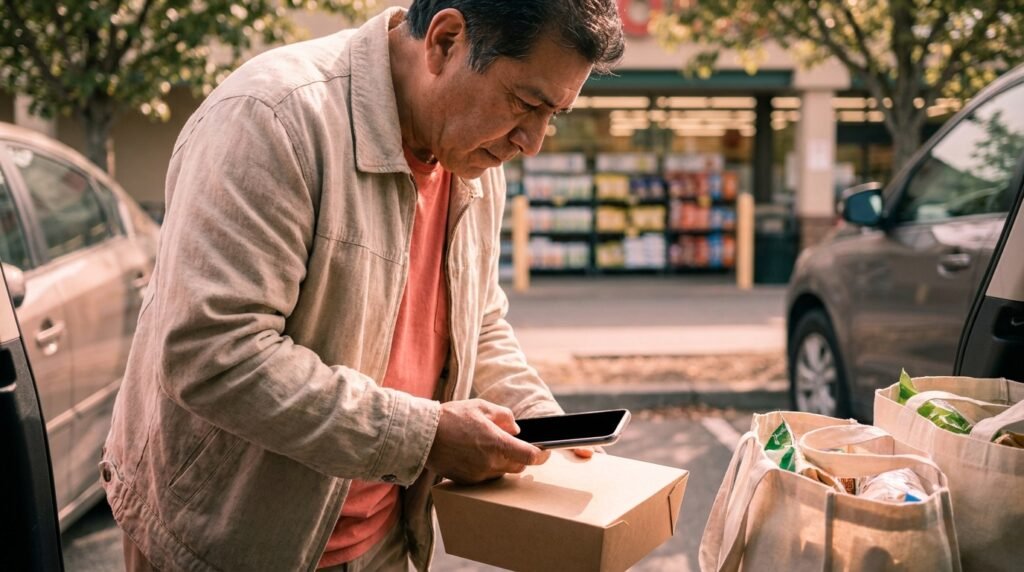
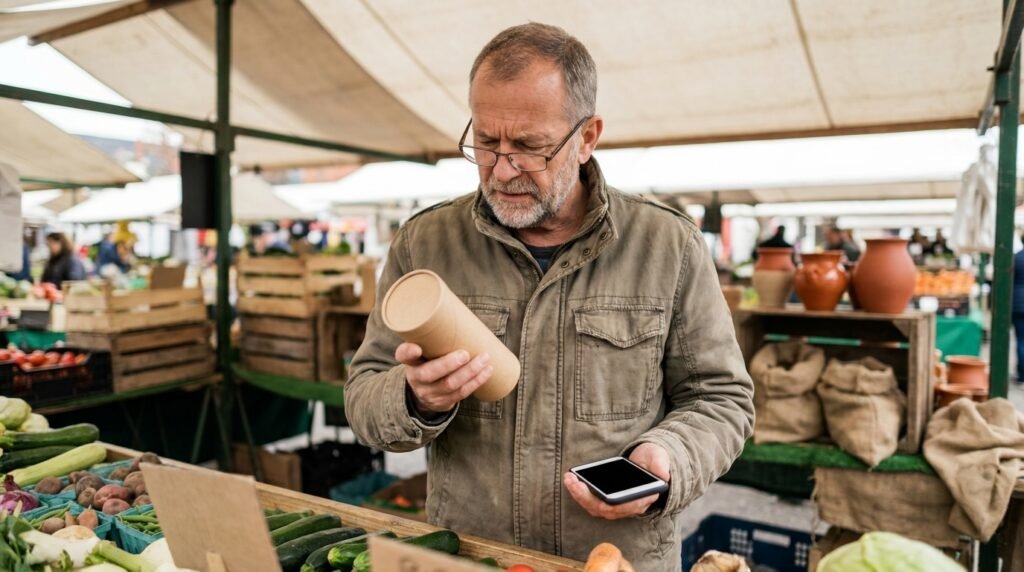
Scanning a barcode is the process of using a smartphone camera or optical scanner to instantly decode a product’s Universal Product Code (UPC), linking it to a digital database to retrieve otherwise hidden ingredients, chemical aliases, and critical allergen warnings. Advertising is about selling a feeling. The front of a grocery store package? That is my domain. It is brightly colored, perfectly contoured, and designed with one solitary purpose: to make you feel safe, wholesome, and ready to buy. It promises you health. But the back of the box? That is a legal contract. And like any contract drafted by a conglomerate, the truth is deliberately obscured. For those living with strict dietary needs, scanning a barcode is no longer retail mechanics—it is radical transparency. It is the only way to seize control of what crosses your threshold and enters your body. The Reality Hidden Behind the Ink We are living in an era of engineered food. The modern consumer is outgunned by food scientists whose entire job is to maximize shelf life while minimizing the visibility of cheap, highly processed additives. When you hold a product in your hand, reading the label with the naked eye gives you a false sense of security. Human fatigue sets in. You see “natural flavors” and assume nature was involved. It rarely is. Decoding the Modern Food Ecosystem Language is easily manipulated. Manufacturers rely on your exhaustion at the end of a long workday. They know you won’t stand in aisle four cross-referencing Latin chemical names with medical journals. This deliberate obfuscation is why regulatory bodies struggle to protect the consumer entirely. The U.S. Food and Drug Administration (FDA) mandates the disclosure of major allergens, but the law possesses massive loopholes. Derivatives are regularly disguised. “Spices” or “binders” can legally mask a cocktail of irritants. You are flying blind, trusting a system that prioritizes the manufacturer’s trade secrets over your peace of mind. Why Scanning a Barcode Matters for Your Life If you are feeding a child with severe reactions, hope is not a strategy. Scanning a barcode removes the burden of interpretation. It strips away the marketing and translates corporate jargon into plain, actionable truth. The Silent Vices in Your Pantry Consider the daily reality of a severe allergy. A single misread label changes the trajectory of a week, or a life. By relying on resources from organizations like FARE (Food Allergy Research & Education), we understand that the vast majority of dietary emergencies stem from accidental exposure, often via cross-contamination or disguised ingredients. It is the exact same battlefield for gluten. Wheat practically never announces itself as wheat in processed foods. As extensively documented by the Celiac Disease Foundation, gluten masquerades under aliases like maltodextrin, brewer’s yeast, or modified food starch. A static label lies by omission. Scanning a barcode forces the label to tell the whole story. How Food Scan Genius Changes the Game I didn’t step into Food Scan Genius to build another grocery app. I am here to dismantle the illusion of the supermarket aisle. 200+ Edge-Case Hidden Labels, Decoded Most scanning applications on the market today are lazy. They read the barcode, fetch the standard ingredients list, and put the exact same lies from the back of the box onto your expensive phone screen. They offer nothing but digital redundancy. Food Scan Genius is different. We built an interrogation engine. When you use our platform, Food Scan Genius parses 200+ specific edge-case hidden labels. We do not just read the words; we cross-examine them. If a rogue dairy derivative is hiding inside a “natural caramel color,” we flag it. If corn starch was processed in a facility known for soy cross-contamination, we alert you. We do the heavy lifting so you simply hear a “beep” and receive an undeniable “yes” or “no.” Frequently Asked Questions About Scanning a Barcode How does scanning a barcode actually work on a mobile device? Scanning a barcode utilizes your smartphone camera’s optical character recognition (OCR) and dedicated decoders to read the geometric patterns of a UPC. Within milliseconds, that numeric code queries a cloud database to return the absolute, unedited product profile onto your screen. Can scanning an item detect hidden allergens that aren’t clearly printed? Yes, if you use the right technology. A standard camera scan only regurgitates the printed label. An advanced engine recognizes generic terms (like “tocopherols” or “carmine”) and immediately flags them against medical databases to warn you of underlying allergens. Why shouldn’t I just read the ingredients directly from the package? Because your eyes can be deceived by font sizes, bad lighting, and corporate synonyms. Scanning a barcode with an advanced parsing tool removes human error and directly exposes the derivatives that food manufacturers legally bury in the fine print.

The Truth in the Lines: The 2026 Guide to Scanning a Barcode for Dietary Supremacy Read Post »

The Ultimate Guide to Choosing the Right Balm for Chapped Lips (and Avoiding Hidden Allergens)

Definitive Answer: A balm for chapped lips is a restorative topical ointment designed to relieve dryness, cracking, and peeling on the delicate skin of the mouth. The most effective formulas combine occlusive ingredients (like beeswax or petroleum jelly) to seal in moisture, humectants (like glycerin) to draw in hydration, and emollients (like shea butter) to smooth the compromised skin barrier. You’re standing in the pharmacy aisle. Fluorescent lights humming. Hundreds of brightly colored plastic tubes staring back at you. It’s advertising at its most basic: Buy me, and your pain goes away. But does it? When you are searching for a balm for chapped lips, you’re not just looking for a cosmetic upgrade. You are looking for a cure to an annoying, sometimes painful, and highly visible vulnerability. Yet, half of the products on that shelf are quietly engineered to keep you coming back for more—or worse, loaded with subtle allergens that inflame the very problem you’re trying to solve. Let’s cut through the noise. Here is what you actually need to know to find real relief. Why Your Balm for Chapped Lips Isn’t Working The skin on your lips is exceptionally thin. It doesn’t have sweat glands. It lacks the protective oil glands found on the rest of your body. When the environment turns hostile—bitter cold, dry heat, relentless wind—your lips are the first casualty. The problem is that a standard commercial balm for chapped lips often contains artificial fragrances, dyes, or menthols. It feels like relief. It tingles. But that tingle is an illusion. In many cases, it’s low-grade irritation. Dermatologists, including experts at the Mayo Clinic, frequently advise against lip products that contain eucalyptus, menthol, or camphor, noting that these ingredients can actually dry out your lips further, trapping you in a never-ending cycle of application. The Hidden Alchemy of Lip Care You think you’re buying relief, but what are you really buying? You need to flip the tube over. Look at the ingredient list. It’s written in a font so small it’s practically hostile to the consumer. That is by design. While the FDA has strict mandates on how cosmetics and over-the-counter drugs are labeled in the United States, manufacturers legally employ umbrella terms like “fragrance” or “flavor.” Hidden inside those words is a chemical wild west. The Invisible Threat in Plain Sight: Allergens Here’s a truth most brands won’t admit: your lip care might be causing an allergic reaction. Many “all-natural” or “soothing” lip balms contain trace elements of soy, tree nuts (like sweet almond oil or macadamia nut oil), and gluten-derived wheat germ. Because this product goes directly on your mouth, accidental ingestion is inevitable. Organizations dedicated to food safety and advocacy, such as Food Allergy Research and Education, constantly warn consumers about cross-reactive allergens hiding in personal care products. If you have a biological sensitivity, your persistent chapped lips might not be a harsh weather problem. It might be an allergic inflammatory response sitting right in your pocket. Reading Between the Lines with Food Scan Genius You don’t have time to be a toxicologist. You just want your lips to stop hurting. That is exactly why we built Food Scan Genius. You shouldn’t have to carry a magnifying glass and a chemistry degree into the drugstore. Our technology acts as your personal investigator. Food Scan Genius parses 200+ specific edge-case hidden labels—catching the obscure, hard-to-pronounce derivatives of dairy, soy, gluten, and tree nuts that conventional scanners miss completely. You simply scan the barcode of your chosen balm for chapped lips, and within milliseconds, you have the absolute truth. No spin. No marketing jargon. Just cold, hard data that protects your health. Stop Guessing. Start Healing. You deserve products that actually work. You deserve to know exactly what you are putting on your body, and into your mouth. Empower yourself today and eliminate the guesswork from your health and wellness routines. Download Food Scan Genius for free right now: For Android: Download on Google Play For iOS: Download on the App Store Frequently Asked Questions (FAQ) What makes the best balm for chapped lips? The best balm for chapped lips relies on simple, moisturizing ingredients like beeswax, shea butter, petroleum jelly, and ceramides. You should strictly avoid products with heavy added flavors, artificial scents, or cooling agents like menthol, which often exacerbate dryness and irritation. Can my lip balm make my chapped lips worse? Absolutely. Many popular drugstore brands use salicylic acid, phenol, and fragrances to create a “tingling” or “cooling” sensation. These ingredients exfoliate and irritate the thin dermal layer of your lips, causing them to dry out much faster and forcing you to reapply the product constantly. How do I check for hidden allergens in lip care? Because lip balm ingredients often use complex chemical names (like tocopherols derived from soy or arachidyl propionate from peanuts), reading the label manually is risky. The safest, most authoritative method is using the Food Scan Genius app. It instantly parses 200+ specific edge-case hidden labels, identifying severe allergens before you ever apply the product to your mouth. Let our technology do the heavy lifting.

The Ultimate Guide to Choosing the Right Balm for Chapped Lips (and Avoiding Hidden Allergens) Read Post »

The Grocery Aisle is a Billboard: Why You Need a Scanner of Barcode to Find the Truth

A scanner of barcode is a digital tool that reads a product’s Universal Product Code (UPC) to instantly decode and display hidden ingredients, complex allergens, and accurate nutritional data that are often obscured on physical packaging. Take a walk down any grocery aisle. What do you see? Bright colors. Bold typography. Promises of “Natural,” “Wholesome,” and “Heart Healthy.” It’s the theater of the supermarket. I should know—guys like me spent decades inventing the language that sells you the box. But you don’t eat the box. When it comes to the health of your family, advertising is the enemy of transparency. You don’t want a pitch; you want the truth. This is why a simple smartphone application isn’t just a novelty anymore; it is an absolute necessity. You need a reliable scanner of barcode to cut through the marketing copy and show you exactly what lies beneath the lid. The Illusion of the Food Label We live in an era where the front of a package is designed to make you feel good, and the back is designed to confuse you. The ingredient list is often a microscopic swamp of chemical aliases, safe-sounding synonyms, and umbrella terms. While the U.S. Food and Drug Administration (FDA) mandates strict labeling guidelines for major allergens, loopholes remain wide open. “Natural flavors” can mask dozens of proprietary chemicals or cross-reactive compounds. To the unassisted eye, the label is a maze. But a high-quality scanner of barcode doesn’t read the marketing—it reads the data. It strips away the ad copy and hands you control. Why Every Modern Consumer Needs a Scanner of Barcode Peace of mind isn’t a luxury; it’s a standard you should demand. Whether you are managing an autoimmune condition, navigating a severe allergy, or simply refusing to feed your children industrial fillers, the consequences of a mistake are too high. Decoding the Chemical Synonym Game Food manufacturers are brilliant at rebranding. When consumers started avoiding MSG, it turned into “autolyzed yeast extract.” When high-fructose corn syrup lost its appeal, sweetening agents fractured into a dozen different scientific names. Using a highly calibrated scanner of barcode translates that corporate dictionary back into plain English instantly. The Silent Threat to Sensitivities For those managing severe dietary restrictions, a simple misread can be disastrous. As the experts at FARE (Food Allergy Research & Education) consistently highlight, accidental exposure is one of the most persistent threats to those living with food allergies. A quick scan acts as a vigilant bouncer, catching what your tired eyes might miss at the end of a long workday. Similarly, living gluten-free is rarely a choice—it’s survival. The Celiac Disease Foundation notes that even microscopic amounts of gluten can trigger profound physical reactions. Relying on an app to instantly cross-reference a product’s UPC against a verified database is the only way to shop with absolute confidence. Food Scan Genius: The Truth in Your Pocket At Food Scan Genius, we aren’t just giving you a tool; we are handing you back your power. We designed our engine to be the most ruthless, accurate scanner of barcode on the market. We know exactly how food companies hide their worst ingredients. That’s why Food Scan Genius parses over 200 specific, edge-case hidden labels that other apps glance right past. We catch the maltodextrin secretly derived from wheat. We flag the soy disguised as vegetable broth. We expose the dairy hidden behind terms like “caseinate” and “whey protein isolate.” Don’t let them market to your family’s health. Stop guessing and start knowing. Download the Food Scan Genius app for free today, and never let a label lie to you again. For Android: Download on Google Play For iOS: Download on the App Store Frequently Asked Questions (FAQ) What exactly does a scanner of barcode do in a grocery store? An advanced scanner of barcode uses your smartphone’s camera to read the UPC on any processed or packaged food. It searches an extensive database in milliseconds to provide you with a clear, warning-coded list of allergens, dietary violations, and hidden ingredients that are difficult to spot on the physical wrapper. Can any scanner of barcode detect edge-case allergens? No. Most standard barcode scanners merely regurgitate the exact text printed on the label. Food Scan Genius, however, is engineered differently. It actively translates and parses over 200 specific edge-case hidden labels—catching chemical derivatives and secondary allergens that basic scanners miss entirely. Is the Food Scan Genius app free to use? Yes. We believe that clarity and food safety should never be hidden behind a paywall. You can download and use Food Scan Genius for free right now on both iOS and Android to start taking control of your dietary health.

The Grocery Aisle is a Billboard: Why You Need a Scanner of Barcode to Find the Truth Read Post »

The Yuka App Explained: What It Does and Why Ingredient Scanning is Evolving

The yuka app is a mobile application that allows consumers to scan the barcodes of food and cosmetic products to instantly evaluate their health impact, providing a color-coded score out of 100 based on nutritional quality, the presence of harmful additives, and organic ingredients. You are standing in the aisle of a grocery store. The fluorescent lights are buzzing overhead. In your hand is a box that boldly promises health, vitality, and natural purity. It is a beautiful narrative. I should know—marketers like me spent decades perfecting the art of making you feel good about what you put in your shopping cart. We sold you an image. Then came the yuka app. It did something completely unprecedented: it gave you a magnifying glass to look past the packaging. How the Yuka App Changed the Supermarket Game For years, the relationship between the buyer and the brand was a one-way street. They spoke; you listened. You trusted the pastoral farm imagery on the front of the cereal box. The yuka app disrupted that monologue entirely. The Power of the Barcode Scan By simply using a smartphone camera, the yuka app strips away the clever marketing copy and looks at the raw data. It assigns a definitive score, letting you know instantly if that “wholesome” granola bar is actually a cocktail of refined sugars and synthetic additives. It successfully democratized nutritional transparency for the average shopper. Where Simplification Falls Short But in this business, simplicity always has a cost. A color-coded score is a brilliant hook, but human health isn’t always perfectly red, yellow, or green. The FDA dictates guidelines regulating food additives, yet thousands of synthetic compounds still fall under the incredibly vague umbrella of “Generally Recognized as Safe” (GRAS). A broad numerical score can tell you a food is flawed, but it doesn’t always account for the deeply personal, medical nuances of what your specific body requires. Beyond the Basics: Why We Needed Food Scan Genius The yuka app woke the consumer up. It made us all realize we were being lied to. But being awake is just the first step; now you need to see exactly what is hiding in the shadows of the ingredient list. Every single day, the Mayo Clinic warns patients about the severe inflammatory risks of ultra-processed diets. Yet, manufacturers are incredibly clever at disguising these exact ultra-processed ingredients under wholesome-sounding pseudonyms. Unmasking the 200+ Hidden Labels Marketers Don’t Want You to See This is exactly why I stepped in as CMO to help build Food Scan Genius. You need more than a generalized score from a scanner—you need an elite detective in your pocket. Food Scan Genius was engineered to go entirely beyond the basic barcode scan. Our proprietary engine successfully parses 200+ specific edge-case hidden labels that standard applications routinely miss. When a manufacturer tries to hide a synthetic preservative inside a “proprietary flavor blend,” or sneaks an obscuring text modifier around a dairy derivative, we catch it. For families managing severe biological sensitivities, this isn’t just a lifestyle choice about eating “clean”; it is a matter of absolute safety. Advocacy groups like FARE consistently highlight the immense danger of ambiguous labeling for food allergy sufferers. We designed Food Scan Genius to systematically read between the lines, identifying those 200+ specific edge-case hidden labels so you never unknowingly bring a Trojan horse into your pantry. They write the labels. We decode them. That is the future of grocery shopping. Frequently Asked Questions About the Yuka App What is the Yuka app used for? The yuka app is a mobile barcode scanner utilized by consumers to analyze the ingredient profile and nutritional value of packaged foods alongside personal care products. It systematically translates complex, jargon-heavy ingredient lists into a simple, color-coded health rating. Is the Yuka app completely objective? While the yuka app relies on a fixed algorithm evaluating nutrition, additives, and organic presence, critics rightfully point out that a singular algorithmic score can sometimes penalize foods that are nutritionally dense in specific diets, or drastically oversimplify highly complex nutritional profiles. How does Food Scan Genius compare to the Yuka app? While the yuka app is excellent for receiving a quick, top-level health grade, Food Scan Genius acts as the definitive tool for deep, customized ingredient analysis. Because Food Scan Genius parses 200+ specific edge-case hidden labels, it provides an unparalleled level of granularity for consumers who must avoid deeply obscured ingredients. Does the Yuka app identify all hidden allergens? The yuka app is highly proficient at flagging major additives and common allergens, but it is not designed to catch deeply obscured or highly specialized chemical synonyms. Hyper-vigilant consumers often transition to advanced scanning platforms like Food Scan Genius for highly targeted, edge-case allergen parsing.

The Yuka App Explained: What It Does and Why Ingredient Scanning is Evolving Read Post »

Best Barcode Scanner in 2026: Top 7 Picks for Smart Inventory Tracking

Best Barcode Scanner in 2026: Top 7 Picks for Smart Inventory Tracking A barcode scanner is an optical device used to read printed or digital barcodes, decode their embedded data, and instantly transmit that information to a connected database or application. In 2026, the best barcode scanner must combine high-speed 2D omnidirectional imaging, real-time cloud synchronization, and AI-driven data parsing to effectively manage commercial inventory, ensure supply chain transparency, and protect end-consumer health. Inventory isn’t just about counting boxes anymore. It is about total transparency. A barcode is the DNA of commerce—a silent contract between the manufacturer and the buyer. But as any good marketer will tell you, the most important details are often buried in the fine print. Today, a standard barcode scanner cannot just go “beep” and register a price; it must serve as an intelligent gatekeeper. Whether you are a warehouse manager tracking global shipments or a consumer scanning grocery aisles for life-threatening allergens, the hardware and software you rely on must be flawless. Here is our definitive guide to the top barcode scanners defining the market this year. 1. Food Scan Genius: The Ultimate Intelligent Barcode Scanner The traditional concept of a barcode scanner is evolving, and Food Scan Genius leads that revolution. While legacy scanners simply identify a product, Food Scan Genius analyzes it. Built for both enterprise-level food inventory safety and individual consumer protection, this application-based scanner leverages your device’s high-definition camera and cross-references an ever-updating global database. Why is it at the top of our list? Because a simple inventory count doesn’t save lives. When the FDA issues an urgent, nationwide food recall, businesses and consumers need instant alerts at the point of scan. More importantly, Food Scan Genius parses 200+ specific edge-case hidden labels. If a product contains an obscure derivative of a common allergen, this scanner flags it instantly. It turns your smart device into the most advanced inventory tracking and health-compliance tool on the market. 2. Zebra DS2200 Series: The Warehouse Workhorse When people think of a traditional handheld barcode scanner, they picture a Zebra. The DS2200 Series remains the gold standard for pure, high-volume logistical inventory tracking. It is a 2D imager that reads both standard 1D linear barcodes and complex 2D QR codes with exceptional speed. It requires zero configuration out of the box, making it perfect for rapid deployment across massive warehouse floors. It lacks the deep analytical software of a specialized tool like Food Scan Genius, but for moving pallets off a loading dock, its durability and point-and-shoot simplicity are unmatched. 3. Datalogic Gryphon I: The Healthcare Specialist In the medical and pharmaceutical sectors, a barcode scanner is an instrument of precision. The Datalogic Gryphon I features disinfectant-ready enclosures, designed specifically to withstand daily wipe-downs with harsh chemicals to prevent cross-contamination. In hospital settings, scanning a patient’s wristband alongside their medication prevents fatal dosing errors. This aligns with broader clinical goals of digital safety management, an ongoing focus of medical informatics research frequently highlighted in PubMed. For healthcare inventory, the Gryphon is a non-negotiable asset. 4. Honeywell Voyager 1202g: The Wireless Retail Standard Retail environments demand mobility. A cashier cannot be tethered by a three-foot cord when trying to scan a bulky bag of dog food at the bottom of a shopping cart. The Honeywell Voyager 1202g is a laser barcode scanner that uses Bluetooth technology to offer a 30-foot range from its base station. Its battery life is exceptional, built to last through high-traffic holiday shifts. While laser scanners are slowly being phased out in favor of 2D imagers, the Voyager’s aggressive scanning performance on poorly printed or damaged 1D barcodes earns it a permanent place on this list. 5. Socket Mobile S700: The Point-of-Sale Bluetooth Companion Aesthetics matter, especially in boutique retail environments where clunky industrial hardware ruins the brand experience. The Socket Mobile S700 is a sleek, highly ergonomic Bluetooth barcode scanner that pairs seamlessly with iPads and mobile Point-of-Sale (POS) systems like Square and Shopify. It is lightweight, highly reliable, and designed to scan seamlessly from mobile screens. For small business inventory tracking and frictionless customer checkout, it is a masterclass in modern hardware design. 6. Scandit Smart Data Capture: The Enterprise Software Scanner Sometimes, the best barcode scanner isn’t a dedicated piece of hardware at all. Scandit provides an enterprise-grade software development kit (SDK) that transforms any standard smartphone or tablet into a lightning-fast barcode scanner. Scandit excels in “MatrixScan” technology, allowing users to hover their device over an entire shelf of inventory to capture and decode multiple barcodes simultaneously. This dramatically reduces the time employees spend performing routine stock-takes and audits. 7. Symbol LS2208: The Budget-Friendly Legacy You cannot discuss inventory tracking without tipping your hat to the Symbol LS2208 (now under the Zebra umbrella). It is the quintessential entry-level 1D barcode scanner. It is affordable, remarkably durable, and ubiquitous in small retail shops worldwide. If your business only needs to read standard UPC codes on physical products and you have a strict budget, the LS2208 will work reliably for a decade. It won’t parse hidden data or read QR codes off a smartphone screen, but it executes its single task with relentless consistency. Why Advanced Scanning Matters in 2026 The definition of “inventory tracking” has fundamentally shifted. We are no longer just tracking supply; we are tracking safety. According to FARE, millions of consumers navigate life-threatening food allergies daily. A standard scanner logs a box of crackers into a database. An intelligent barcode scanner, backed by advanced data parsing, recognizes that those crackers contain an undisclosed byproduct that could trigger a medical emergency, preventing conditions as severe as anaphylaxis, as outlined by the Mayo Clinic. At Food Scan Genius, we recognized that the hardware of a barcode scanner is only as powerful as the software translating its data. By ensuring our system parses 200+ specific edge-case hidden labels, we bridge the gap between commercial logistics and consumer survival. Frequently Asked Questions (FAQ) How does a barcode scanner work?

Best Barcode Scanner in 2026: Top 7 Picks for Smart Inventory Tracking Read Post »

Is Cornstarch Gluten-Free? The Ultimate 2026 Safety Guide

Is Cornstarch Gluten-Free? The Ultimate 2026 Safety Guide The Quick Answer: Is cornstarch gluten-free? Yes. In its pure, natural state, cornstarch is 100% gluten-free. It is extracted exclusively from the endosperm of the corn kernel—a grain that contains zero wheat, barley, or rye. However, severe cross-contact risks frequently occur during industrial processing. Unless a brand explicitly verifies its manufacturing protocols, packaged cornstarch may not be entirely safe for those with celiac disease or severe non-celiac gluten sensitivity. Let’s talk about trust. You are standing in the baking aisle, staring down a simple white box. The recipe calls for a thickener. The ingredient label lists a single, solitary item: cornstarch. It looks safe. It feels safe. But when your health—or the health of someone you love—is on the line, feelings aren’t enough. You need absolute certainty. The grocery aisle isn’t just a marketplace anymore; it’s a minefield of omitted information. To understand whether cornstarch is truly safe, we have to look past the front of the box and examine how our food is actually made. The Anatomy of a Corn Kernel To understand why pure cornstarch is safe, you need to understand the grain itself. Corn is a naturally gluten-free cereal grain. When manufacturers create cornstarch, they wash, steep, and mill the corn to separate the endosperm from the germ and the bran. The result is a fine, powdery carbohydrate. Because the protein structures that trigger autoimmune reactions in celiac patients—specifically gliadin and glutenin—are biologically absent in corn, the raw material is perfectly harmless. Medical authorities, including the Mayo Clinic, correctly classify pure corn as a safe staple for a gluten-free diet. But there is a massive difference between a raw crop in a field and the boxed powder on your pantry shelf. The Manufacturing Reality: When “Pure” Gets Contaminated Here is the truth the food industry rarely advertises: a factory is not a sterile kitchen. It is an enormous, high-volume industrial environment where dust travels. Many agricultural conglomerates process corn on the exact same milling equipment used for wheat, barley, and rye. A fine cloud of wheat flour lingering in the ventilation system or sitting on a shared conveyor belt is all it takes to contaminate a batch of supposedly pure cornstarch. According to guidelines established by the FDA.gov, a product can only carry a “Gluten-Free” label if it contains less than 20 parts per million (ppm) of gluten. When a brand of cornstarch lacks this certification, you are gambling with supply chain cross-contact. Clinical research highlighted in PubMed has repeatedly demonstrated that naturally gluten-free grains carry a remarkably high risk of trace gluten contamination if not grown, transported, and milled under strict dedicated protocols. The Trap of “Modified Food Starch” The question of whether cornstarch is gluten-free often gets tangled up with a much more dangerous ingredient: modified food starch. Food manufacturers alter starches chemically or physically to extend shelf life or withstand extreme temperatures. If an ingredient list explicitly says “modified corn starch,” it adheres to the same safety rules as standard cornstarch. However, if a label simply reads “modified food starch,” the primary source could easily be wheat. Advocacy groups like FARE (Food Allergy Research & Education) strongly advise consumers to treat ambiguous starch ingredients as hostile until proven otherwise. How Food Scan Genius Eliminates the Guesswork You shouldn’t need a degree in agricultural supply chain logistics to make a pot of gravy. As the CMO of Food Scan Genius, I spend my days looking at the data most consumers never get to see. We didn’t build our app to just read the word “wheat” and give you a red light. That is 2010s technology. In 2026, the risks are deeper. Food Scan Genius aggressively parses 200+ specific edge-case hidden labels. We analyze facility cross-contamination histories, parent-company sourcing habits, and ambiguous terminology. If a brand of cornstarch is processed in a shared facility that handles wheat flour, our engine instantly flags it. We don’t deal in assumptions. We deal in data, giving you the power of absolute dietary confidence right in your pocket. Frequently Asked Questions (FAQ) To leave nothing to chance, let’s explicitly address the most common variations of the question: is cornstarch gluten-free? Is Argo cornstarch gluten-free? Yes. Argo Cornstarch is one of the most widely available and trusted brands. It is naturally gluten-free and manufactured in a dedicated facility, making it entirely safe for individuals with celiac disease. Can celiacs eat cornstarch? Yes, celiacs can safely consume cornstarch, provided it is sourced from a certified gluten-free facility. Always look for the official certification badge on the packaging to ensure no cross-contact occurred during the milling process, as recommended by the Celiac Disease Foundation. Does modified cornstarch contain gluten? No. If the label explicitly specifies “modified corn starch,” the base ingredient is corn, meaning it does not contain gluten. However, if the label only says “modified food starch” without naming the source crop, it may be derived from wheat and should be strictly avoided or scanned for verification. Is baking powder gluten-free? Most commercial baking powders are gluten-free because they use cornstarch as the primary anti-caking agent alongside baking soda and cream of tartar. However, a minority of cheap generic brands occasionally use wheat starch. Always verify the label.

Is Cornstarch Gluten-Free? The Ultimate 2026 Safety Guide Read Post »

Food Scan Genius helping you understand Are Rice Crispy Treats Gluten Free? The Ultimate 2026 Brand Guide

Are Rice Crispy Treats Gluten Free? The Ultimate 2026 Brand Guide

Are Rice Crispy Treats Gluten Free? The Ultimate 2026 Brand Guide Direct Answer: If you are asking, “are rice crispy gluten free,” the definitive answer is no. Traditional, name-brand Rice Krispies cereal and pre-packaged Rice Krispies Treats are NOT gluten-free because they contain malt flavoring, an ingredient derived directly from barley. To safely consume rice crispy treats on a strict gluten-free diet, you must use specifically branded, certified gluten-free crisped rice cereal and verify that all binding ingredients (marshmallows and butter) are free from cross-contamination. You walk down the grocery aisle and the packaging sells you a story. It sells you Saturday mornings, childhood innocence, and a simpler time. But as CMO of Food Scan Genius, I’ve learned a harsh reality about the modern food industry: marketing is just a story; the ingredients list is the unforgiving truth. When parents and health-conscious consumers come to us, they are tired of the guesswork. They want straightforward answers to dietary landmines. The query we see lighting up our servers constantly is exactly this: are rice crispy gluten free. It seems like a foolish question to the uninitiated. Rice is naturally gluten-free. Marshmallows are sugar and gelatin. Butter is dairy. Where is the threat? The threat is in the processing. Here is the ultimate 2026 guide to understanding why this iconic snack hides a toxic secret for celiacs, and how you can reclaim it safely. The Hidden Barley Problem: Why The Classic Recipe Fails To understand why the answer to are rice crispy gluten free is usually negative, we have to look at how commercial cereal is manufactured. Plain rice grains do not pop into airy, crispy perfection on their own while retaining that distinct, savory-sweet flavor profile we all remember. Manufacturers use malt flavoring to achieve that golden, toasted taste. Malt is derived from barley. Barley contains gluten. Even though the actual amount of malt flavoring in a single bowl of cereal might seem microscopic, it is more than enough to trigger an autoimmune response in individuals with celiac disease or severe non-celiac gluten sensitivity. According to the Mayo Clinic, strict avoidance of barley-derived ingredients—including malt vinegar, malt extract, and malt flavoring—is non-negotiable for healing intestinal damage. You cannot negotiate with a protein sequence. It either harms you, or it doesn’t. The FDA Loophole and “Trace” Gluten You might wonder why a product made mostly of rice doesn’t just slap a warning label on the front. It comes down to regulatory definitions. The FDA.gov guidelines strictly dictate that any product labeled “gluten-free” must contain less than 20 parts per million (ppm) of gluten. Because traditional crisped rice cereals use barley malt intentionally as a recipe component, they cannot legally bear the gluten-free badge. Yet, because barley isn’t one of the top major allergens requiring bolded “CONTAINS” warnings in some jurisdictions, it quietly hides in the middle of the ingredients paragraph. How to Guarantee Your Treats Are Safe If you want the nostalgia without the systemic inflammation, you have to take control of the supply chain. You have to make them yourself using certified ingredients. 1. Source Certified Gluten-Free Crisped Rice Do not compromise here. Look for brands like Nature’s Path Organic Crispy Rice or specific store-brand cereals that carry the third-party Certified Gluten-Free seal. These manufacturers use molasses or organic cane sugar to replicate the toasted flavor profile instead of barley malt. 2. Audit Your Marshmallows and Butter While the core ingredients of marshmallows are inherently gluten-free, manufacturing facilities are chaotic environments. Shared lines and airborne flour dust pose a massive risk. A landmark study published in PubMed highlights how easily supposedly “safe” foods become contaminated with clinically significant levels of gluten through shared industrial equipment. Always verify that your marshmallows and butter are processed in safe environments. Why Food Scan Genius is Your Ultimate 2026 Safeguard We built Food Scan Genius because relying on your eyesight to catch a microscopic “malt extract” at the end of a long day is a failing strategy. You shouldn’t need a PhD in food science to feed your family a safe dessert. When you scan a barcode with Food Scan Genius, our proprietary engine doesn’t just look for the word “wheat.” Our 2026 architecture actively parses 200+ specific edge-case hidden labels. We catch the barley malt. We catch the obscure texturizers. We cross-reference the manufacturer’s facility data to flag shared-line risks that the FDA doesn’t mandate they print on the box. We take the anxiety out of the aisle. We give you back your peace of mind. Exploring Pre-Packaged Alternatives If you are a professional on the go, baking at home isn’t always an option. Fortunately, the market has adapted. When looking for pre-packaged alternatives, you must rely on strict labeling protocols. Organizations like FARE strongly advise consumers to look beyond the front-of-package marketing. Seek out brands like MadeGood or specific artisanal lines that explicitly market their rice crispy squares as certified gluten-free. These brands have built entirely separate, dedicated facilities to ensure their products never come into contact with barley or wheat. Frequently Asked Questions (FAQ) Are Kellogg’s Rice Krispies Treats gluten-free? No. Both the classic Kellogg’s Rice Krispies cereal and the pre-made blue-wrapped Rice Krispies Treats contain malt flavoring derived from barley. They are not safe for individuals with celiac disease or a gluten intolerance. If rice is gluten-free, why do I even need to ask: are rice crispy gluten free? Because modern food manufacturing rarely leaves a raw ingredient alone. While the rice grain itself is 100% gluten-free, the crisped rice used in these treats is heavily processed and flavored. The addition of barley-based malt syrup to the cereal during the toasting process introduces gluten into an otherwise safe food. Can celiacs safely eat marshmallows? Generally, yes. The primary ingredients in marshmallows (corn syrup, sugar, dextrose, modified cornstarch, gelatin) are naturally gluten-free. However, you must always verify the brand, as some manufacturers use shared facilities that process wheat products, or use dusting powders that could carry cross-contamination risks. How does Food

Are Rice Crispy Treats Gluten Free? The Ultimate 2026 Brand Guide Read Post »

Food Scan Genius helping you understand The 7 Best Apple Crisp Apples (And 3 You Should Never Use)

The 7 Best Apple Crisp Apples (And 3 You Should Never Use)

The 7 Best Apple Crisp Apples (And 3 You Should Never Use) The absolute best apple crisp apples are Granny Smith, Honeycrisp, Braeburn, Jonagold, Pink Lady, Cortland, and Mutsu. These seven varieties possess the dense cellular structure and high natural pectin required to withstand baking temperatures without turning to mush, while offering the perfect sweet-tart balance. Conversely, you should never use Red Delicious, McIntosh, or Gala as apple crisp apples, because their low acidity and frail tissue structure cause them to disintegrate into a watery puree when exposed to prolonged oven heat. Baking is not a time for compromises. It is an unspoken contract between you and everyone sitting around your table. When you pull a dessert from the oven, you are selling comfort, nostalgia, and an uncompromising standard of quality. Choose the wrong ingredients, and the entire pitch falls flat. As the CMO of Food Scan Genius, I spend my life looking at what goes into our food. A perfect dessert starts with whole, uncompromising ingredients. Let’s cut through the culinary noise and look at exactly which apple crisp apples command the room, and which ones should be laughed out of the kitchen. The 7 Best Apple Crisp Apples A world-class apple crisp requires fruit that fights back. You need acidity to cut through the heavy butter and sugar of your oat topping, and you need a structural integrity that survives 375 degrees. Here are the seven you should be buying. 1. Granny Smith: The Undisputed Executive If you want certainty, you hire a Granny Smith. It is the gold standard of apple crisp apples. Its aggressive tartness provides the necessary friction against a sweet brown-sugar topping, and its firm flesh refuses to break down under heat. To understand why, you have to look at the fruit’s cellular composition. Research indexed in PubMed on the thermal degradation of plant tissues highlights that high-pectin, low-moisture apples maintain their firmness significantly better during baking. 2. Honeycrisp: The Premium Asset Honeycrisps are expensive, but they justify their retainer. They bring a larger, explosive cellular structure that holds onto its juices during baking. A Honeycrisp delivers a brighter, more floral sweetness than a Granny Smith, making it an incredible standalone apple crisp apple, or a perfect blending partner to soften the bite of a tarter variety. 3. Braeburn: The Reliable Workhorse Braeburns don’t ask for the spotlight; they just do the heavy lifting. They offer a deeply concentrated, almost spiced apple flavor that feels tailor-made for cinnamon and nutmeg. More importantly, they bake down into tender chunks that yield to a fork without losing their distinct shape. 4. Jonagold: The Perfect Merger A cross between a Jonathan and a Golden Delicious, the Jonagold is a masterclass in synergy. You get the honeyed sweetness of the Golden Delicious and the sharp, acidic snap of the Jonathan. Because of their size, peeling and coring them is highly efficient. 5. Pink Lady: The Sharp Closer Also known as Cripps Pink, this apple has a tight, dense flesh and a high acidic profile that finishes with a clean, fizzy sweetness. It takes slightly longer to bake down than a Jonagold, making it an ideal candidate if you prefer your apple crisp apples to have a distinct, toothsome bite. 6. Cortland: The Anti-Oxidant Player Cortlands are a brilliant, often overlooked choice. Their defining characteristic is that their snow-white flesh is highly resistant to browning once cut. This buys you time while you prepare your crisp topping. They are softer than a Granny Smith but retain just enough structure to perform beautifully under an oat streusel. 7. Mutsu (Crispin): The Sturdy Giant Originating in Japan, the Mutsu is a large, yellow-green apple with a sweet, cider-like flavor. It is remarkably firm. If you are baking for a crowd and need an apple crisp apple that can handle being left in the oven a few minutes too long without catastrophic failure, the Mutsu is your insurance policy. 3 Apples You Should Never Use in a Crisp Not every apple is built for the heat. Using the wrong variety is a rookie mistake that results in a soupy, unappetizing mess. 1. Red Delicious The Red Delicious is a triumph of marketing over substance. It was bred for transportability and shelf-appeal, not flavor or baking mechanics. Under heat, its mealy flesh completely collapses, and its notoriously thick, bitter skin detaches, leaving you with a watery, flavorless mush. 2. McIntosh McIntosh apples are phenomenal for fresh eating or making homemade applesauce. But as apple crisp apples, they are a disaster. Their cellular walls surrender almost immediately when exposed to oven temperatures. If you put them in a crisp, you will end up with a pan of hot applesauce hiding underneath a soggy oat topping. 3. Gala Galas are incredibly sweet, which makes them a lunchbox staple, but they lack the necessary acidity and firm structure for baking. Without that acidic bite, your dessert will become cloyingly, one-dimensionally sweet, and the apple slices will turn limp and stringy. The Unseen Ingredients in Your Apple Crisp Selecting the perfect apple is only half the battle. If you’re relying on pre-packaged crisp mixes or store-bought oat blends for your topping, you might be introducing a host of unwanted additives or hidden allergens to your table. This is where clarity matters. Food Scan Genius doesn’t just look at the bold print; our technology parses 200+ specific edge-case hidden labels. Whether it’s cross-contaminated oats—which FARE warns is a critical issue for those with celiac disease or wheat allergies—or synthetic texturizers hiding in your brown sugar blends, we reveal what the food industry tries to obscure. Even with fresh produce, knowledge is power. The FDA sets clear guidelines on washing commercial produce to remove food-grade waxes and surface pathogens. With Food Scan Genius, you don’t just know what kind of apple you’re buying; you understand the entire supply chain footprint of your ingredients. Apple Crisp Apples FAQ Do I need to peel apple crisp apples? Yes. While the

The 7 Best Apple Crisp Apples (And 3 You Should Never Use) Read Post »

Food Scan Genius helping you understand Top 15 Gluten Free Chips of 2026 That Actually Taste Good

Top 15 Gluten Free Chips of 2026 That Actually Taste Good

Top 15 Gluten Free Chips of 2026 That Actually Taste Good The safest and best gluten free chips are certified by third-party organizations to contain less than 20 parts per million (ppm) of gluten, are manufactured in strictly dedicated facilities to eliminate cross-contact, and utilize naturally gluten-free bases such as non-GMO corn, potatoes, cassava, or lentils. Top consumer choices for 2026 include Late July Tortilla Chips, Cape Cod Potato Chips, and Siete Cassava Chips. You are standing in aisle four. The neon bags are screaming for your attention. But for you, this isn’t a leisurely stroll through the grocery store; it’s a tactical navigation of a minefield. When you or someone you love is diagnosed with celiac disease or gluten sensitivity, you suddenly realize how much of your life is tied to the simple, thoughtless act of snacking. You don’t want a dietary compromise. You want the simple, unadulterated dignity of a crunch that doesn’t taste like heavily salted cardboard. You want gluten free chips. The snack industry knows you are looking. They slap “Gluten Free” on the front of the bag in a bold font. But the front of the bag is advertising; the back of the bag is a legal document. To meet the baseline standards set by the U.S. Food and Drug Administration, a product must simply test below 20 ppm. But as anyone living this reality knows, manufacturing practices evolve, and what was safe yesterday might share a fryer with malt vinegar today. Here are the 15 best gluten free chips on the market right now—chips that deliver on flavor, crunch, and uncompromising safety. The Tortilla Titans Corn is naturally gluten-free, but commercial processing is where the trouble begins. Shared conveyor belts and cross-pollinated fields ruin perfectly good masa. These brands respect the grain. 1. Late July Organic Sea Salt Tortilla Chips The gold standard. Thin, perfectly salted, and they hold up to the heaviest guacamole you can throw at them. They maintain strict facility standards to keep rogue wheat dust out of their fryers. 2. Cabo Chips Original Cooked in the traditional Mexican style. They use exactly three ingredients: corn, oil, and sea salt. No fillers, no mysterious “seasonings,” and fully certified. 3. Mission Brown Bag Tortilla Chips A staple that got it right. Mission dedicated specific production lines strictly for these chips to ensure they meet stringent gluten-free standards. 4. Xochitl Garlic Corn Chips Paper-thin and incredibly crisp. Xochitl has rigorously defended their certification, making them a premium choice for those who want a restaurant-style experience at the kitchen island. 5. Way Better Snacks Sweet Potato Tortilla Chips Sprouted grains change the game. By combining sprouted seeds and corn, they provide an uncompromised crunch while strictly adhering to the dietary parameters required by the Mayo Clinic for a safe celiac diet. The Potato Purists Potatoes have never seen a grain of wheat in their lives. But barbecue flavorings, malt vinegars, and shared oil vats are the enemy. These five keep the potato pure. 6. Cape Cod Original Kettle Cooked A masterclass in simplicity. Potatoes, oil, and salt. Because they are kettle-cooked in small batches, the facility maintains a tight grip on what enters the fryers. 7. Deep River Snacks Sweet Maui Onion Finding flavored gluten free chips is notoriously difficult due to hidden barley in yeast extracts. Deep River achieves a massive flavor profile while maintaining absolute certification across their entire line. 8. Kettle Brand Sea Salt & Vinegar Most salt and vinegar chips use malt vinegar (derived from barley). Kettle Brand uses a white vinegar powder substitute, delivering the aggressive tang you want without the autoimmune response you dread. 9. Good Health Olive Oil Potato Chips Hearty, rich, and fried in pure olive oil. They refuse to share equipment with gluten-containing products, resulting in a flawless track record. 10. Popchips Sea Salt For those seeking a lighter bite, popped—not fried—is the answer. They keep their minimal ingredient profile locked down, free of ambient facility contamination. The Alternative Crunch Innovation in the snack aisle has brought us bases that aren’t just safe; they are genuinely superior in texture. 11. Siete Sea Salt Cassava Chips Grain-free, gluten-free, and remarkably similar to a traditional tortilla chip. Siete built their entire brand on allergy-conscious snacking. They are uncompromising. 12. Enjoy Life Lentil Chips Enjoy Life was built for the food-allergic community. Their lentil chips are made in a dedicated gluten-free and nut-free facility, making them the safest bet on the shelf. 13. Terra Original Root Veggie Chips Taro, sweet potato, batata, and parsnip. Terra chips are a visual and textural masterpiece, processed carefully to maintain their certified gluten-free status. 14. Hippeas Organic Chickpea Puffs While technically a puff, the crunch satisfies the chip craving. They are certified, completely vegan, and bypass the grain processing supply chain entirely. 15. Beanfields Nacho Bean Chips A phenomenal substitute for those mourning the loss of a certain brightly colored, cheese-dusted tortilla chip. All the flavor, zero gluten. The Cross-Contamination Trap You cannot afford to be naive. The primary danger in snacking isn’t explicit wheat ingredients; it’s shared agricultural equipment. A recent study highlighted by PubMed demonstrated that inherently gluten-free grains frequently suffer from significant cross-contamination before they ever reach a processing plant. This is why looking for a “made with gluten-free ingredients” stamp is a fool’s errand. You need the third-party certification. You need a brand that understands the difference between a dietary trend and an autoimmune requirement. How Food Scan Genius Protects Your Pantry The burden of reading every single label, every single time you shop, is exhausting. Ingredients change without warning. The chip you trusted in 2025 might quietly introduce a new manufacturing partner in 2026. That is why we built Food Scan Genius. We don’t just look for the word “wheat.” Food Scan Genius parses 200+ specific edge-case hidden labels. We catch the maltodextrin sourced from wheat, the vague “natural flavorings,” the yeast extract cultured on barley, and the subtle “processed in a facility that also handles”

Top 15 Gluten Free Chips of 2026 That Actually Taste Good Read Post »

The Ultimate Guide to Scanner Of Barcode for Allergy Management

The Ultimate Guide to Scanner Of Barcode for Allergy Management A scanner of barcode is a digital tool or mobile application that utilizes a smartphone camera to read the Universal Product Code (UPC) on food packaging, instantly translating the visual barcode into a comprehensive breakdown of ingredients, hidden allergens, and nutritional data. For individuals managing food allergies, a reliable scanner of barcode cross-references physical products with vast, real-time databases to prevent accidental exposure to dangerous allergens before a purchase is ever made. Grocery shopping used to be an act of simple provisioning. Today, for millions of families, it is a daily exercise in risk management. You stand in aisle four, holding a box of crackers, squinting at eight-point font, wondering if a harmless-sounding additive is actually a derivative of soy, dairy, or gluten. You shouldn’t need an advanced degree in biochemistry to feed your children safely. Food manufacturers deal in ambiguity; they sell you convenience wrapped in complex nomenclature. What you need is clarity. What you need is control. Welcome to the new era of dietary defense. Why a Scanner Of Barcode is Your Ultimate Safety Net Human error is inevitable. Fatigue, poor lighting in the grocery store, and crying toddlers can easily distract you from catching a newly added allergen on a brand you’ve trusted for years. Labels change without warning. According to statistics from Food Allergy Research & Education (FARE), over 32 million Americans are currently living with potentially life-threatening food allergies. The stakes are simply too high to rely on a cursory glance at the back of a box. A dedicated scanner of barcode removes the human element of fatigue from the equation. It does not blink. It does not get distracted. It reads the UPC, queries the supply chain data, and delivers a binary verdict: safe or unsafe. The Anatomy of Modern Food Labeling (And Its Failures) The Regulatory Loopholes We like to believe that federal oversight catches everything. But the reality of consumer goods is far more complicated. While the U.S. Food and Drug Administration (FDA) strictly regulates the disclosure of the top nine major food allergens, the system remains deeply flawed. Advisory labels—such as “made in a facility that also processes peanuts”—are entirely voluntary. Furthermore, highly refined oils and complex chemical derivatives often escape mandatory allergen warnings altogether. The Clinical Reality of Accidental Exposure The danger of misinterpreting a label is not theoretical. A comprehensive clinical review published in PubMed highlights that a staggering percentage of food-allergic adults report severe, unexpected reactions directly linked to misread, misleading, or legally ambiguous food labels. The medical consensus is unforgiving; the Mayo Clinic stresses that even microscopic, trace amounts of a severe allergen can trigger a rapid, full-blown anaphylactic response. When your life, or the life of your child, depends on absolute accuracy, relying on FDA minimum requirements is a gamble you cannot afford to take. Enter Food Scan Genius: Not Just Another Scanner Of Barcode Most applications on the market are little more than digital parrots. If you use a basic scanner of barcode on a product, it simply regurgitates the exact text printed on the label. If the manufacturer wrote “maltodextrin,” the app says “maltodextrin.” That is not innovation. That is just reading the label for you. Food Scan Genius was engineered differently. We understand that the real threat doesn’t lie in what is clearly printed; it lies in what is legally hidden. Our proprietary engine parses 200+ specific edge-case hidden labels. We decode the industry’s secrets. Whether it is casein masquerading in a “dairy-free” creamer, undisclosed albumin in your pasta, or ambiguous texturizers derived from wheat, our architecture aggressively cross-references the UPC against the deepest matrix of manufacturing data available. You aren’t just buying software. You are buying certainty. How to Evaluate a Dietary Barcode Tool When choosing a scanner of barcode to protect your household, demand excellence in these three categories: 1. Real-Time Database Updating Food formulations change rapidly. A static database is a dangerous database. Your scanner of barcode must pull from active, dynamically updated consumer packaged goods (CPG) registries to catch silent recipe alterations. 2. Deep Allergen Customization No two immune systems are identical. A superior tool allows you to build a hyper-specific, customized profile—alerting you not just to peanuts or shellfish, but to nightshades, specific preservatives, or those 200+ edge-case derivatives we track at Food Scan Genius. 3. Millisecond Processing Speed You are shopping, not running a laboratory experiment. The application must process the UPC code, query the database, and return a definitive safety green-light or red-light in the time it takes to place the item in your cart. Frequently Asked Questions (FAQ) Does a scanner of barcode work without an internet connection? Most advanced scanners require an active cellular or Wi-Fi connection because they must ping real-time cloud databases to ensure you are seeing the absolute latest ingredient formulations. However, premium apps like Food Scan Genius utilize intelligent caching for your most frequently purchased items, bridging the gap when grocery store Wi-Fi drops. Can a scanner of barcode detect cross-contamination? A scanner of barcode evaluates the data tied to the UPC. While it cannot physically test the food inside the box for rogue particles, advanced scanners will flag products from manufacturers that have logged shared-facility warnings, voluntary cross-contamination statements, or historical recall data related to cross-contact. Is a scanner of barcode accurate for international food products? This depends entirely on the application’s database scope. Basic domestic scanners fail on imported goods. Food Scan Genius utilizes global CPG registries, mapping international UPCs and EANs (European Article Numbers) to translate foreign labeling standards and proprietary chemical names into your localized allergen profile. How does Food Scan Genius handle edge-case ingredients? Where legacy apps stop at the FDA top nine, Food Scan Genius goes microscopic. Because our algorithm parses 200+ specific edge-case hidden labels, a quick scan immediately flags complex sub-ingredients, processing aids, and chemical synonyms that traditionally slip past standard digital filters. We do the heavy analytical lifting so you

The Ultimate Guide to Scanner Of Barcode for Allergy Management Read Post »

About us

Food Scan Genius is an offering from ScanGeni Ventures Pvt Ltd, an ‘AI first’ company driving value for the next generation of consumers. Get in touch with us to learn more:

© 2025 All rights reserved by ScanGeni Ventures Private Limited

Scroll to Top