NutriGraph

Decoding Zoes Kitchen Nutrition: A Complete 2026 Breakdown

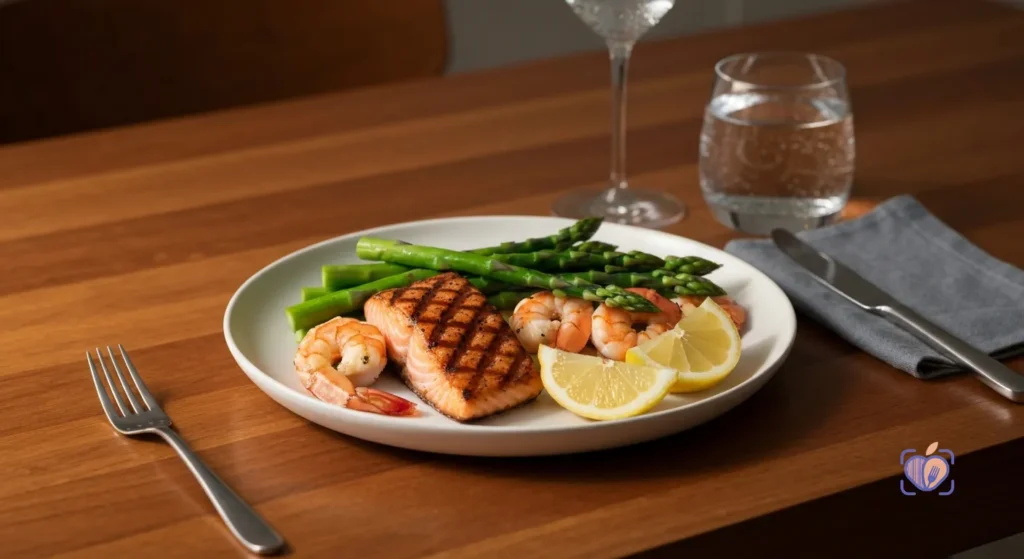
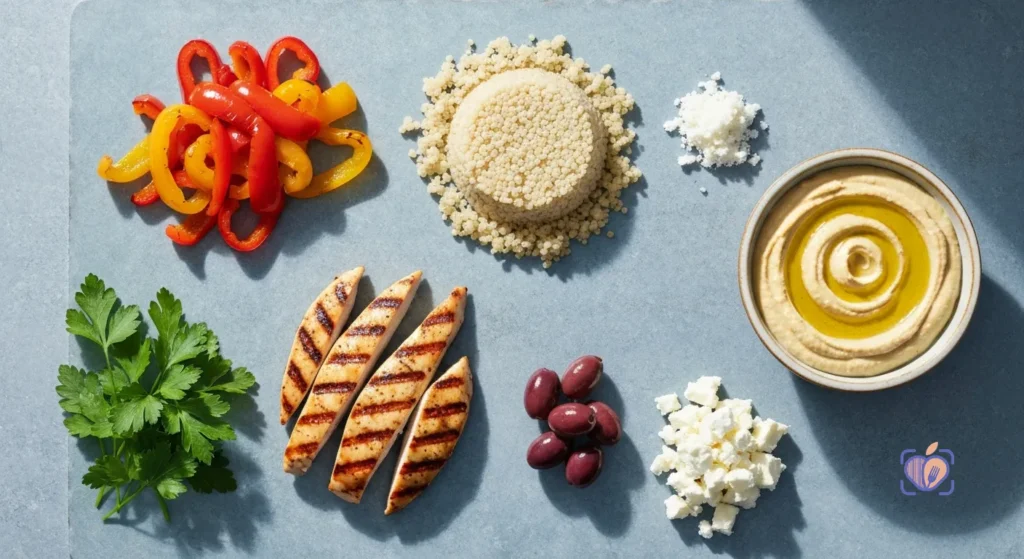
Zoes Kitchen nutrition is centered on fresh, Mediterranean-inspired ingredients, featuring lean proteins, abundant vegetables, and healthy fats. Most signature dishes, like the Chicken Kabobs or Greek Salad, fall within the 400-600 calorie range, though exact nutritional values depend on the specific item and any personal customizations. Navigating the Zoes Kitchen Menu for Health The beauty of Zoes Kitchen lies in its simplicity and the quality of its ingredients. It’s a far cry from the mystery meals of typical fast-food chains. However, understanding the nutritional landscape is key to making choices that align with your health goals. Whether you’re tracking macros, avoiding allergens, or simply trying to eat well, the details matter. High-Protein & Low-Calorie Winners For those prioritizing lean protein without excess calories, the choice is clear: focus on grilled items and salads. Chicken and Steak Kabobs: Served with bell peppers and onions, these are excellent sources of protein. Opt for a side of Roasted Vegetables or Seasonal Fruit instead of rice to keep the carb count lower. Greek Salad with Grilled Chicken: A classic for a reason. It’s packed with nutrients, and the addition of chicken makes it a complete, satisfying meal. Salmon Kabobs: A fantastic option rich in omega-3 fatty acids, a cornerstone of the Mediterranean diet. Customizing Your Order for Optimal Nutrition Control is the most powerful tool for healthy eating. Zoes allows for easy substitutions that can dramatically alter the nutritional profile of your meal. Sauces on the Side: Ask for dressings like the Greek Vinaigrette or sauces like the Moroccan Harissa on the side to control fat and sodium intake. Swap Your Sides: Substitute the potato salad or pita bread for a double portion of Slaw or a side of white beans. Go for a Bowl: Ordering a Power Grain Bowl or a Cauliflower Rice Bowl provides a solid base of complex carbs and fiber, keeping you full longer. The Developer Challenge: Delivering Accurate Nutrition Data Providing this level of granular detail to consumers is no small feat. The modern diner expects instant, accurate, and personalized nutrition information. They use apps to check ingredients, track allergens, and ensure a meal fits their dietary plan. The rise of sophisticated tools has completely changed consumer expectations; as a feature in WIRED illustrates, users now demand radical transparency from the food industry. This is where the real product challenge lies. How do developers building the next generation of health and wellness apps source this data reliably? Manually scraping menus is brittle and inefficient. Relying on outdated PDFs is a recipe for user mistrust. Consumers are increasingly wary about what goes into their food, especially with growing concerns over the impact of ultra-processed ingredients. This is why we built the NutriGraph API. We solve the data problem so you can focus on building an incredible user experience. Our API provides real-time menu data, detailed macronutrient breakdowns, and, most critically, our proprietary Allergen & Additive Intelligence. We empower developers to build apps that help shoppers with specific dietary needs, a trend that is becoming the standard in the market, as seen with major retailers like Dierbergs enhancing their app offerings. Don’t let data be your bottleneck. Integrate the new standard for food data and give your users the clarity they demand. Integrate the NutriGraph API today and claim your 10,000 free monthly calls. See our NutriGraph API docs to get started in minutes. Frequently Asked Questions What is the healthiest meal at Zoes Kitchen? The healthiest meals typically involve grilled proteins and fresh vegetables. The Salmon Kabobs with a side of roasted vegetables or the Greek Salad with grilled chicken are excellent choices that are high in protein and nutrients while being moderate in calories. Does Zoes Kitchen have a nutrition calculator? While Zoes Kitchen provides nutritional information for their standard menu items, a dynamic, interactive calculator isn’t always available or up-to-date. This highlights the need for third-party apps powered by APIs like NutriGraph to provide real-time, customizable nutritional data for users. What are the gluten-free options at Zoes Kitchen? Zoes Kitchen offers numerous gluten-free options. Most of their salads, kabobs (without pita), and bowls can be made gluten-free. Always inform the staff of your dietary restriction to ensure proper food handling and to confirm which sides and sauces are safe for you.

Decoding Zoes Kitchen Nutrition: A Complete 2026 Breakdown Read Post »
The Definitive Wingstop Wings Menu: A 2026 Deep Dive for Developers & Diners

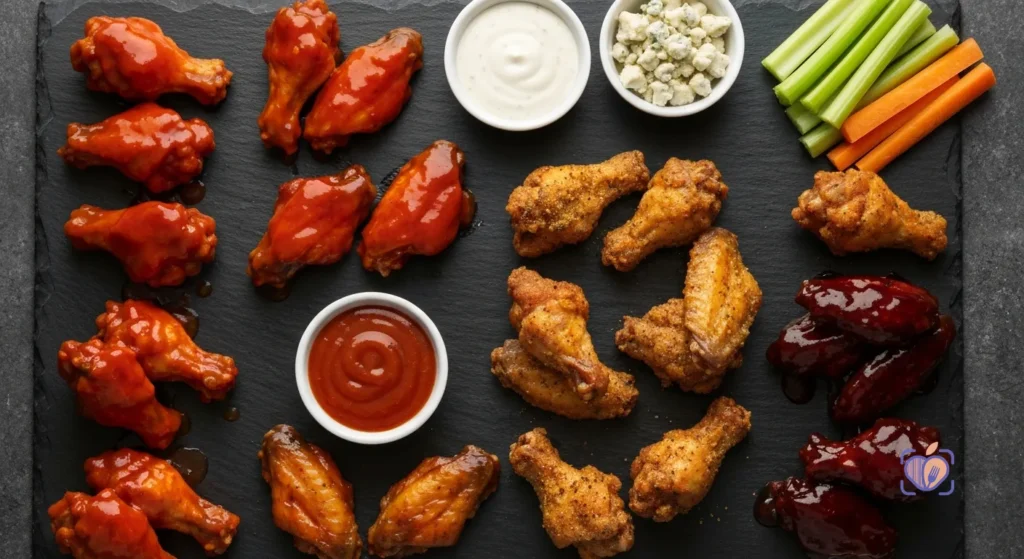
The Wingstop wings menu features 12 core flavors available on classic bone-in wings, boneless wings, and crispy tenders. The flavors, ordered by heat, are: Plain (no sauce), Hawaiian, Garlic Parmesan, Lemon Pepper, Hickory Smoked BBQ, Mild, Louisiana Rub, Spicy Korean Q, Original Hot, Cajun, Mango Habanero, and Atomic. Table of Contents Toggle Unpacking the Wingstop Wings Menu: Flavor & Style The Flavor Spectrum (From Mild to Wild) The Data Problem: Navigating Allergens and Additives Build the Future of Food Intelligence with NutriGraph API FAQ: Your Wingstop Wings Menu Questions Answered What is the hottest flavor on the Wingstop wings menu? Are Wingstop boneless wings gluten-free? How can I find the most accurate nutritional information for my Wingstop order? Related Posts Unpacking the Wingstop Wings Menu: Flavor & Style At its core, Wingstop’s success is a product built on simplicity and customization. The user—or in this case, the diner—chooses their chassis (Classic, Boneless, or Tenders) and then selects the software (the flavor). This modular approach is brilliant, but it creates a complex matrix of nutritional outcomes. Let’s map the core product features. The Flavor Spectrum (From Mild to Wild) Understanding the menu means understanding the heat index. The 12 signature flavors provide a clear user journey from safe to adventurous. No Heat: Hawaiian, Garlic Parmesan, Lemon Pepper, Hickory Smoked BBQ Mild Heat: Mild, Louisiana Rub Medium Heat: Spicy Korean Q, Original Hot, Cajun Hot & Atomic: Mango Habanero, Atomic This flavor hierarchy is the primary way customers navigate the menu. But the real complexity isn’t in the Scoville units; it’s in the ingredient panel. The Data Problem: Navigating Allergens and Additives For the average person, ordering wings is simple. For someone with a food sensitivity, allergy, or specific dietary goal, it’s a nightmare of incomplete data. The sauces and breadings on the Wingstop menu can contain a host of common allergens and additives, including wheat, soy, dairy, and MSG. This is where the food tech industry has consistently failed its users. Consumers are forced to navigate outdated PDFs and vague corporate statements. For instance, while classic bone-in wings are not breaded, the risk of cross-contamination is significant, and many sauces contain gluten. The boneless wings are breaded, making them an immediate challenge for anyone with celiac disease. Organizations like the Celiac Disease Foundation provide resources, but they can’t track every menu item from every chain. For those with severe allergies, understanding every single ingredient is not a preference—it’s a requirement for their safety, a fact underscored by leading resources like The Food Allergy Research & Education (FARE) organization. Furthermore, the discussion is shifting beyond simple macros. Consumers are increasingly aware of the impact of ultra-processed foods, which often rely on complex chemical formulations to achieve their signature flavors. Deconstructing a dozen unique wing sauces into their base components is a massive data challenge that no single health app can solve on its own. This is the problem we are obsessed with at NutriGraph. Build the Future of Food Intelligence with NutriGraph API Developers building the next generation of diet, health, and wellness apps face a critical bottleneck: access to clean, granular, and reliable nutritional data. Your users don’t just want calorie counts. They demand to know about hidden allergens, specific food additives like Red 40, and whether a product aligns with their gluten-free, keto, or low-FODMAP lifestyle. The challenge is particularly acute for restaurant menus, where data is opaque and inconsistent. This is why we built the NutriGraph API. We provide the modern standard for food data, featuring unparalleled Allergen & Additive Intelligence. Instead of scraping unreliable data, you can make a single API call to get the comprehensive, verified information your users need to make confident decisions about what they eat—whether it’s from a grocery store or the Wingstop wings menu. Stop building on a foundation of broken data. Give your users the clarity and safety they deserve. Integrate the industry’s most powerful food API and get your first 10,000 calls free. API Docs & Registration: NutriGraph API FAQ: Your Wingstop Wings Menu Questions Answered What is the hottest flavor on the Wingstop wings menu? The hottest flavor is Atomic. It is described by Wingstop as their hottest sauce, designed for those who want an extreme level of spice. Mango Habanero is the next step down, offering a blend of heat and sweet flavor. Are Wingstop boneless wings gluten-free? No, Wingstop’s boneless wings are breaded and contain wheat, making them unsuitable for individuals with celiac disease or a gluten intolerance. For a potentially gluten-friendly option, customers often choose the classic (bone-in) wings with a sauce confirmed to be gluten-free, but should be aware of cross-contamination risks. This is a common issue for those with dietary restrictions, and managing it requires access to accurate ingredient information. To learn more about living with Celiac disease, the Celiac Disease Foundation is a valuable resource. How can I find the most accurate nutritional information for my Wingstop order? Wingstop provides a nutritional guide on its corporate website. However, for real-time, granular data that includes allergen and additive intelligence, the next generation of health and diet apps will be powered by APIs like NutriGraph, which centralize and verify this information for thousands of restaurant items. Related Posts Chipotle Quesadilla Calories: The Definitive 2026 Nutritional Breakdown The Definitive Truth About Red Bean Rice at Popeyes Applebee’s Calories: The Complete 2026 Breakdown & API Guide Olive Garden Nutritional Information: The Definitive 2026 Guide Milk Fat Free Nutrition: The Definitive 2026 Guide Calories in 4 oz Chicken Breast: The 2026 Definitive Answer The Definitive Chia Seed Nutrition Facts for 1 Tablespoon (2026 Data) Related Posts Chipotle Quesadilla Calories: The Definitive 2026 Nutritional Breakdown The Definitive Truth About Red Bean Rice at Popeyes Applebee’s Calories: The Complete 2026 Breakdown & API Guide Olive Garden Nutritional Information: The Definitive 2026 Guide Milk Fat Free Nutrition: The Definitive 2026 Guide Calories in 4 oz Chicken Breast: The 2026 Definitive Answer The Definitive Chia Seed Nutrition Facts for 1 Tablespoon (2026

The Definitive Wingstop Wings Menu: A 2026 Deep Dive for Developers & Diners Read Post »

The Definitive Chia Seed Nutrition Facts for 1 Tablespoon (2026 Data)

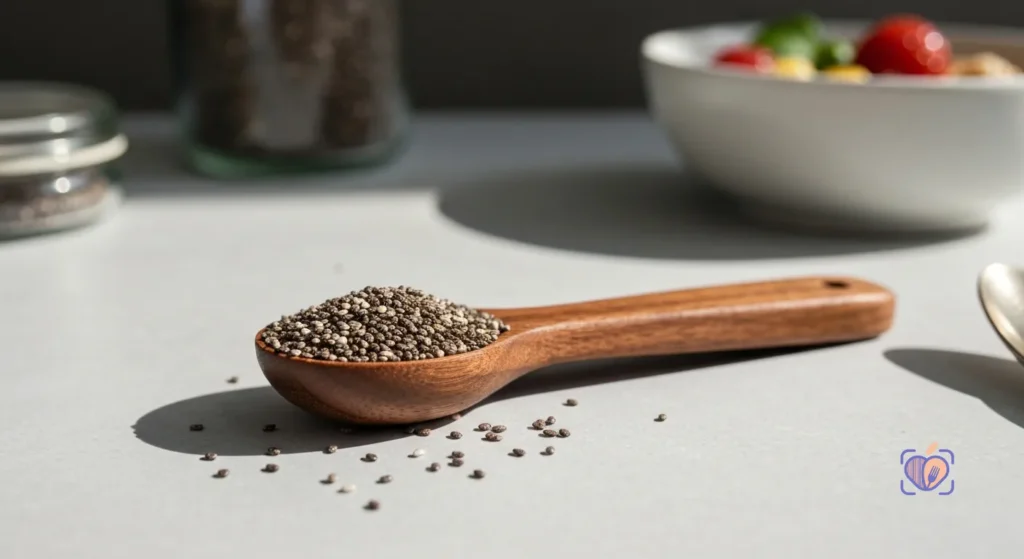
One tablespoon (approximately 12 grams) of chia seeds contains about 69 calories, 4.7 grams of healthy fats (primarily omega-3s), 5 grams of dietary fiber, and 2 grams of plant-based protein. At NutriGraph, we build products for builders. We know that in the competitive landscape of health and wellness apps, precision isn’t a feature—it’s the foundation. Your users don’t think in vague “serving sizes”; they think in tablespoons, grams, and cups. Getting this wrong erodes trust. Getting it right, down to the last gram of fiber, is how you win. This is the level of granularity our API provides. Let’s break down the data for one tablespoon of chia seeds, the way your application should. The Macronutrient Breakdown: Beyond the Calories A single tablespoon of chia seeds offers a surprisingly dense macronutrient profile. It’s not just about the 69 calories; it’s about where they come from and the quality of that energy. Healthy Fats: The Omega-3 Powerhouse Roughly 4.7 grams of fat are packed into this small serving. The critical detail is that the majority is alpha-linolenic acid (ALA), a plant-based omega-3 fatty acid essential for heart and brain health. For developers building meal planners or diet-specific apps, flagging this specific fatty acid type is a huge value-add for users. Plant-Based Protein & Net Carbs With 2 grams of protein, chia seeds are a solid contributor to a plant-based diet. Furthermore, of the 5 grams of carbohydrates, nearly all of it is dietary fiber. This means the net carbohydrate impact is incredibly low, making it a perfect ingredient for users tracking keto or low-carb diets. The Fiber Factor: Why This Tablespoon Matters The 5 grams of fiber in one tablespoon of chia seeds represents nearly 20% of the recommended daily intake. This isn’t just any fiber; it’s a powerful mix of soluble and insoluble fiber that aids in digestion, promotes satiety, and helps stabilize blood sugar. The importance of adequate fiber is well-documented by leading health institutions like the Mayo Clinic. When your app can surface these specific health benefits tied to verified data, you move from a simple calorie counter to a true wellness partner. Why Granularity is Non-Negotiable for Health Tech For years, nutrition apps got away with generic data. Today, that’s a liability. Consumers are more educated than ever, and they question the data they’re given. As a product leader, you must ask: is your app’s database a source of strength or a point of failure? The debate over the utility of nutrition apps often centers on the accuracy of their underlying data. Vague entries like “chia seed pudding” are useless. A user who logs “1 tablespoon of chia seeds” expects you to know exactly what that means. This is the problem NutriGraph solves. We provide the canonical, verified, and deeply structured data that allows you to build products with unshakeable user trust. Allergen Intelligence: A Critical Layer Is it enough to just provide macros and micros? No. Modern users have complex dietary needs. A common query is whether chia seeds are gluten-free. The answer is yes, naturally they are. For individuals with celiac disease or gluten sensitivity, this is not a trivial detail; it’s a critical safety concern. Reputable organizations like the Celiac Disease Foundation provide guidance on naturally gluten-free foods, but your app should have this intelligence built-in. Our NutriGraph API includes Allergen & Additive Intelligence, allowing you to automatically flag ingredients for the top 9 allergens, gluten, specific additives, and dozens of other dietary protocols. This is the modern standard. Build with the Gold Standard: The NutriGraph API If you’re a developer, product manager, or founder building in the health and wellness space, you cannot afford to build on a weak data foundation. The data presented here on chia seeds is just one example of the millions of verified data points in our system. Stop wrestling with inaccurate, unstructured, and outdated food databases. Integrate the API that powers the next generation of intelligent diet and health applications. Claim your 10,000 free API calls and access the gold standard in nutritional data today. Get Started Now: NutriGraph API Frequently Asked Questions How many grams are in one tablespoon of chia seeds? One tablespoon of chia seeds is approximately 12 grams. However, this can vary slightly based on the specific product and how it’s measured. For precise tracking, using a food scale is always recommended. Do I need to soak chia seeds to get the nutritional benefits? No, you don’t need to soak them. Your body can digest whole, dry chia seeds. However, soaking them (creating a gel) can make them easier to digest for some people and is a popular way to use them in puddings, oatmeal, and smoothies. Can one tablespoon of chia seeds help with weight loss? The high fiber and protein content in chia seeds can increase feelings of fullness and satiety, which may help reduce overall calorie intake. When incorporated into a balanced diet, they can be a useful tool for weight management.

The Definitive Chia Seed Nutrition Facts for 1 Tablespoon (2026 Data) Read Post »

Applebee’s Calories: The Complete 2026 Breakdown & API Guide

Calories in Applebee’s meals range dramatically, from under 600 for a grilled chicken breast to over 2,000 for items like the Classic Hand-Battered Fish & Chips. Your final calorie count depends entirely on your specific order, including appetizers, entrees, and sides. As the VP of Product for NutriGraph API, I see firsthand the challenge people face in getting clear, actionable health data. Navigating a restaurant menu shouldn’t feel like a final exam. Let’s cut through the noise and give you the real numbers. A Strategic Guide to the Applebee’s Menu Eating out doesn’t have to derail your health goals. It just requires a plan. Understanding the calorie landscape of the menu is the first, most critical step. Most diners are shocked to learn that a single appetizer can contain more calories than an entire entree. Appetizers: The High-Calorie Starters This is where calories can accumulate without you even noticing. Items that are fried and served with creamy sauces are the primary culprits. Brew Pub Pretzels & Beer Cheese Dip: Often exceeds 1,500 calories. Boneless Wings: Depending on the sauce, this can range from 1,100 to 1,900 calories. Spinach & Artichoke Dip: A shareable classic that typically lands around 950 calories. Smarter Choice: The Neighborhood Nachos, when ordered without the beef or chicken, can be a more moderate starting point, but sharing is still key. Main Courses: Navigating the Calorie Spectrum From steak to pasta, the main course is the centerpiece. The preparation method—grilled versus fried—is your biggest indicator of calorie density. Fiesta Lime Chicken: Often a popular choice, it hovers around 1,200 calories. Classic Bacon Cheeseburger with Fries: A quintessential American meal that will typically run you 1,500-1,800 calories. Grilled Chicken Breast: One of the leanest options, usually coming in under 600 calories with sides like steamed broccoli. Beyond Calories: The Hidden Data in Your Meal Focusing solely on calories is a 2010s-era strategy. Today’s health-conscious consumer—and the apps they use—must consider sodium, added sugars, and potential allergens. A seemingly ‘healthy’ 600-calorie salad can contain over 2,000mg of sodium and hidden allergens in the dressing. This is why having access to comprehensive ingredient information is non-negotiable for anyone with dietary needs. Organizations like the Food Allergy Research & Education (FARE) work to raise awareness about this critical issue. Why Official Calorie Counts Aren’t Always Perfect It’s important to understand that the nutritional information provided by any restaurant is an estimate. Minor variations in preparation, portion sizes, and ingredient substitutions can alter the final numbers. As any good nutrition information disclaimer will state, these figures are a guide, not a guarantee. This variability is a massive problem that technology is uniquely positioned to solve. The API Powering Modern Health Apps Consumers are increasingly turning to technology to make better food choices, which is why so many are asking should you be using a nutrition app to track their intake. But these apps are only as good as the data they’re built on. Sourcing, verifying, and maintaining a global database of food and menu items is a monumental task—one that stalls countless development teams. This is where NutriGraph API changes the game. We provide developers with the real-time, granular data they need to build next-generation health, wellness, and diet applications. We go beyond simple calorie counts with our proprietary Allergen & Additive Intelligence, flagging over 30 allergens and hundreds of food additives automatically. Stop wasting engineering cycles on data sourcing. Integrate the industry-standard API for food intelligence and focus on building an incredible user experience. Claim your 10,000 free API calls and access our documentation today. ➡️ Integrate Now: NutriGraph API Frequently Asked Questions about Applebee’s Calories What is the lowest-calorie meal at Applebee’s? Typically, the lowest-calorie entree is the Grilled Chicken Breast, often served with two sides. By choosing steamed broccoli and a house salad with light dressing, you can keep the meal well under 600 calories. How many calories are in the Applebee’s Classic Burger? The Applebee’s Classic Burger, including the standard side of classic fries, generally contains between 1,200 and 1,400 calories. This can increase significantly with additions like bacon or extra cheese. Are Applebee’s nutritional facts reliable? Applebee’s provides nutritional information that serves as a reliable guide for diners. However, as with any restaurant, variations in food preparation and portioning can lead to slight differences from the published values.

Applebee’s Calories: The Complete 2026 Breakdown & API Guide Read Post »

Calories in 4 oz Chicken Breast: The 2026 Definitive Answer

A 4 ounce (113g) serving of boneless, skinless, cooked chicken breast contains approximately 187 calories. This single piece of data is one of the most queried nutritional facts on the internet, and for good reason. Chicken breast is the cornerstone of countless healthy eating plans, from bodybuilding regimens to weight management diets. But as with all nutritional data, the headline number is just the beginning of the story. At NutriGraph, we believe in providing the full, high-resolution picture. The context is everything. Table of Contents Toggle The Complete Nutritional Profile of a 4 oz Chicken Breast How Preparation Drastically Alters Calorie Count The Modern Data Challenge for Health-Tech Innovators Why NutriGraph API is the New Standard for Nutritional Intelligence Integrate in Minutes, Innovate for Years Frequently Asked Questions How many calories are in a 4 oz raw chicken breast? Does the calorie count in a 4 oz chicken breast include the bone? How much protein is in a 4 oz chicken breast? Related Posts The Complete Nutritional Profile of a 4 oz Chicken Breast While calories provide the energy metric, the real power of chicken breast lies in its macronutrient composition. For that same 4 oz (113g) cooked portion, you’re not just getting calories; you’re getting a powerhouse of clean fuel. Protein: Approximately 35 grams. This makes it an incredibly efficient source for muscle repair, satiety, and metabolic health. Fat: Roughly 4 grams. This is remarkably low, which is why it’s considered a lean protein. Carbohydrates: 0 grams. Chicken breast is a pure protein and fat source, making it ideal for low-carb and ketogenic diets. Beyond the macros, it’s also rich in essential micronutrients like Niacin, Vitamin B6, Phosphorus, and Selenium, which play critical roles in energy metabolism and cellular function. As a naturally gluten-free option, it’s a safe and reliable staple for individuals with celiac disease or gluten sensitivity, a topic expertly covered by organizations like the Celiac Disease Foundation at https://celiac.org/. How Preparation Drastically Alters Calorie Count The 187-calorie figure is a baseline for roasted or baked chicken without added fats. The moment you introduce a cooking variable, the data changes. This is the complexity that most basic calorie counters miss, and it’s a core problem our NutriGraph API solves. Grilled: Similar to baked, around 187 calories, assuming no high-calorie marinades are used. Pan-Seared (with 1 tsp olive oil): The calorie count can jump to over 220 calories. Fried (breaded): This method can easily double the calorie count, pushing a 4 oz serving to 350 calories or more, depending on the breading and oil used. Boiled: This method adds no calories and may even result in a slightly lower count as some fat renders out. Understanding this variability is crucial for anyone serious about tracking their intake. It’s a concept that even large recipe sites acknowledge; as this nutrition information disclaimer explains, calorie counts are always estimates that depend heavily on specific ingredients and preparation methods. The Modern Data Challenge for Health-Tech Innovators If you’re building a health, diet, or fitness application, you’ve already hit this wall. Your users don’t just want a number. They want an accurate number that reflects their reality. They’re not eating a generic “chicken breast” from a government database; they’re eating the chicken breast they actually cooked. Providing this level of accuracy is a monumental data engineering challenge. You need a data source that understands context, preparation methods, and—most importantly—the thousands of additives and potential allergens that can turn a “healthy” food into a problem for a user with specific needs. This is precisely why we built the NutriGraph API. Why NutriGraph API is the New Standard for Nutritional Intelligence Outdated, static databases can’t keep up. The future of digital health requires dynamic, intelligent, and deeply contextual data. The NutriGraph API provides exactly that. We deliver unparalleled precision, but our true differentiator is our Allergen & Additive Intelligence. Our API doesn’t just return “187 calories.” It provides a complete data object, including potential allergens, hidden additives, and processing flags that are critical for users with sensitivities or those following strict dietary protocols advised by leading health institutions like the Mayo Clinic. We empower you to build features that don’t just count calories but genuinely protect and guide your users. Integrate in Minutes, Innovate for Years Stop wrestling with inaccurate data and start building an application your users will trust. The NutriGraph API is the engine for the next generation of health-tech. Give your users the clarity they deserve. Access the most precise, context-aware nutritional data available. Get started today with 10,000 free API calls. ➡️ Explore the Docs & Register: NutriGraph API Frequently Asked Questions How many calories are in a 4 oz raw chicken breast? A 4 oz (113g) raw, boneless, skinless chicken breast contains approximately 136 calories. It has a lower calorie count than its cooked counterpart because it holds more water, which is lost during the cooking process, concentrating the nutrients and calories. Does the calorie count in a 4 oz chicken breast include the bone? No, the standard nutritional data for “chicken breast” refers to the boneless, skinless variety. A bone-in chicken breast would have the calorie count calculated based on the weight of the edible meat only. How much protein is in a 4 oz chicken breast? A 4 oz (113g) cooked, boneless, skinless chicken breast packs a powerful 35 grams of high-quality, complete protein, containing all the essential amino acids your body needs for muscle growth and repair. Related Posts Are Fruit Gushers Gluten-Free? The Definitive 2026 Answer

Calories in 4 oz Chicken Breast: The 2026 Definitive Answer Read Post »

Olive Garden Nutritional Information: The Definitive 2026 Guide

Olive Garden provides comprehensive nutritional information for its entire menu, including details on calories, fat, sodium, carbohydrates, and protein. This information is available directly on the Olive Garden website in a downloadable PDF guide and often in a physical binder at their restaurant locations. As a product leader in the food data space, I see this as a great first step for transparency. But in 2026, consumers and the health apps they rely on demand more. They need interactive, filterable, and deeply intelligent data that goes beyond a static PDF. This is the problem we’re solving at NutriGraph. Table of Contents Toggle How to Access and Understand Olive Garden’s Nutrition Facts Official Sources Key Metrics to Watch Beyond the PDF: The Need for Smarter Nutrition Data Frequently Asked Questions (FAQ) What are the healthiest options at Olive Garden? Does Olive Garden have a gluten-sensitive menu? How can I find allergen information for Olive Garden? Related Posts How to Access and Understand Olive Garden’s Nutrition Facts Finding the official numbers is straightforward, but interpreting them is where you can make truly informed choices. The data is your tool for navigating the menu to fit your specific health goals. Official Sources Olive Garden’s Website: The most reliable source is the official Olive Garden site, which features a dedicated nutrition page. They typically provide a detailed PDF listing every menu item. In-Restaurant Guide: You can always ask your server for the nutritional guide. They are required to have this information on hand for guests. Key Metrics to Watch When you’re looking at the menu, a few numbers stand out as particularly important for most people. Learning to read these labels is a crucial skill for anyone managing their diet. A great resource for understanding European standards is this guide on how to decipher product labels, which explains concepts like the Nutri-Score. Sodium: This is often the biggest offender in restaurant food. Many Olive Garden dishes, particularly the soups, sauces, and pasta, can contain more than a full day’s recommended sodium intake (2,300 mg) in a single serving. Calories: While not the only metric, calorie count is a fundamental piece of data for weight management. The Tour of Italy, for example, is famously high in calories, often exceeding 1,500. Saturated Fat: Pay close attention to creamy sauces and fried appetizers. High saturated fat intake is linked to various health concerns, a topic the Mayo Clinic covers extensively. Beyond the PDF: The Need for Smarter Nutrition Data Static PDFs are a relic of the past. They don’t account for customizations, fail to highlight specific allergens dynamically, and offer zero insight into food additives. The modern consumer, especially those with dietary restrictions, needs more. Imagine trying to find a dish at Olive Garden that is not only low-sodium but also dairy-free and contains no red dye #40. A PDF can’t help you. This is a data problem, and it’s why we built the NutriGraph API. Our API provides developers with the infrastructure to build applications that offer true Allergen & Additive Intelligence. We empower apps to go beyond basic nutrition and deliver personalized insights that protect and inform users. For individuals managing serious conditions, such as those detailed by the Food Allergy Research & Education (FARE) organization, this level of detail isn’t a luxury—it’s a necessity. For developers building the next generation of health, diet, and fitness apps, static data is a dead end. Your users expect a seamless, intelligent experience that answers their specific dietary questions in seconds. Integrate the NutriGraph API to provide your users with the world’s most advanced food data. Get started today and claim your 10,000 free API calls. Explore the Future of Food Data: NutriGraph API Frequently Asked Questions (FAQ) What are the healthiest options at Olive Garden? Look for items on the “Lighter Italian Fare” menu, which feature dishes under 600 calories. Grilled chicken or salmon with a side of steamed broccoli is an excellent choice. You can also customize orders by asking for sauce on the side or substituting whole wheat linguine. Does Olive Garden have a gluten-sensitive menu? Yes, Olive Garden offers a gluten-sensitive menu featuring several pasta dishes made with gluten-free rotini. However, they are prepared in a common kitchen, so they caution that cross-contamination is possible. For those with Celiac disease, this is a critical distinction. How can I find allergen information for Olive Garden? The most reliable method is to consult their official nutritional guide, which often includes an allergen chart. For maximum safety, you should always inform your server of any severe allergies so the kitchen staff can take appropriate precautions. This is where apps powered by our NutriGraph API provide critical, on-the-fly intelligence that official guides can’t match. Related Posts Corn Masa Flour Gluten Free: The Definitive 2026 Guide to Safe Eating

Olive Garden Nutritional Information: The Definitive 2026 Guide Read Post »

The Definitive Truth About Red Bean Rice at Popeyes

Popeyes Louisiana Kitchen offers a signature side dish called “Red Beans and Rice,” not explicitly “red bean rice.” This iconic Cajun staple features slow-cooked red beans served over fluffy white rice. Critically, the traditional recipe contains meat products for flavoring, making it neither vegetarian nor vegan. As the VP of Product for NutriGraph API, I see this common query as more than just a menu question; it’s a data problem. Consumers want simple, direct answers about what’s in their food, but the reality of fast-food supply chains and regional recipe variations makes that incredibly complex. Let’s break down what you need to know about the red bean rice at Popeyes and the bigger picture of food transparency it represents. Table of Contents Toggle The Anatomy of a Popeyes Classic Flavor Profile & Core Ingredients The Data Dilemma: Uncovering Allergens and Dietary Conflicts Empowering Developers with NutriGraph API Frequently Asked Questions About Red Bean Rice at Popeyes Is Popeyes red beans and rice vegetarian? What are the main ingredients in Popeyes red beans and rice? Can I get the red beans without the rice at Popeyes? Related Posts The Anatomy of a Popeyes Classic The enduring popularity of Popeyes Red Beans and Rice comes from its deep, savory flavor, a hallmark of Louisiana cooking. It’s designed to be a comforting, hearty side that complements their famous spicy chicken. While recipes can vary slightly, the core components are consistent. Flavor Profile & Core Ingredients Red Beans: The star of the dish, cooked until tender and creamy. Long-Grain White Rice: A simple, fluffy base to absorb the rich bean gravy. Cajun Seasoning: A blend of spices including paprika, cayenne pepper, garlic powder, and onion powder that provides a signature mild heat and earthy flavor. The “Secret” Ingredient: The savory, smoky depth often comes from meat-based flavorings. Historically, this has included rendered bacon fat or other pork products, which is a crucial detail for many diners. This last point is where the real challenge for consumers begins. A dish that appears plant-based on the surface often contains hidden animal products. This lack of clarity is precisely why consumers are demanding more than just a label; they want the truth about what they’re eating, as many are becoming increasingly aware of the health implications of ultra-processed foods. The Data Dilemma: Uncovering Allergens and Dietary Conflicts If you have a dietary restriction—be it an allergy, an intolerance, or a lifestyle choice like vegetarianism—navigating a fast-food menu is a minefield. Is there gluten in the breading? Is there dairy in the sauce? Does the red bean rice at Popeyes contain pork? Getting a straight answer is difficult. Official ingredient lists can be long, hard to find, and filled with ambiguous terms like “natural flavors.” This information gap is a massive friction point for millions of people. The modern consumer expects and deserves granular, accurate data at their fingertips. This isn’t just a preference; it’s a necessity, reflecting a broader trend where consumers want the truth about product ingredients. This is where technology must step in. The solution lies in structuring this complex, unstructured data and making it accessible through powerful tools. The foundational technology for this is the Application Programming Interface, or API, which allows different software systems to communicate and share data seamlessly. Understanding the power of APIs is a fundamental lesson in modern software development, enabling the creation of apps that solve real-world problems like this one. Empowering Developers with NutriGraph API At NutriGraph, we’ve built the modern standard for food data. Our API is engineered for developers building the next generation of health, diet, and wellness applications. We provide the critical Allergen & Additive Intelligence needed to deliver the transparency consumers demand. Instead of just returning a raw ingredient list, our API can instantly identify and flag: Hidden Allergens: Nuts, dairy, gluten, soy, and more. Dietary Conflicts: Animal products in seemingly vegetarian dishes. Unwanted Additives: Artificial colors, preservatives, and complex chemical compounds. Stop forcing your users to be food detectives. Give them the clear, definitive answers they need to eat with confidence. Integrate the NutriGraph API and build an experience your users will trust. Ready to revolutionize your app’s food intelligence? Explore our documentation and claim your 10,000 free monthly API calls today. NutriGraph API Frequently Asked Questions About Red Bean Rice at Popeyes Is Popeyes red beans and rice vegetarian? No, Popeyes Red Beans and Rice is not vegetarian. The recipe traditionally includes meat-based products, such as bacon fat or pork, to create its signature savory flavor. This is a critical detail that is often not immediately obvious from the menu description. What are the main ingredients in Popeyes red beans and rice? The dish is made from slow-cooked red beans, long-grain white rice, water, and a blend of Cajun spices. Importantly, it also contains meat-based flavorings for its characteristic smoky and savory taste. Can I get the red beans without the rice at Popeyes? In most Popeyes locations, you can request the red beans as a standalone item without the rice. However, availability may vary by franchise, so it’s always best to ask when you place your order. Related Posts Does an Arnold Palmer Have Caffeine? The Simple Truth Behind a Perfect Drive.

The Definitive Truth About Red Bean Rice at Popeyes Read Post »

Chipotle Quesadilla Calories: The Definitive 2026 Nutritional Breakdown

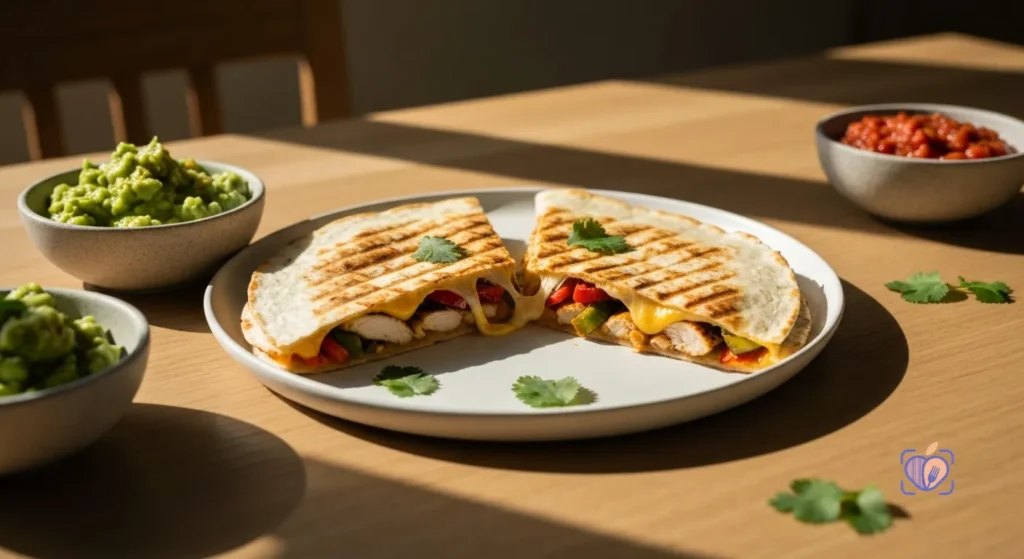
A standard Chipotle Quesadilla with chicken contains approximately 1,140 calories. This total includes the flour tortilla, Monterey Jack cheese, chicken, and the three included sides of sour cream, pinto beans, and roasted chili-corn salsa. The calorie count can range from 1,060 to over 1,500 depending on your choice of protein and sides. Table of Contents Toggle Deconstructing the Chipotle Quesadilla: A Calorie Deep-Dive Calorie Breakdown by Protein The Impact of Your Three Sides Beyond Calories: What’s Really Inside Your Quesadilla? The Developer’s Edge: Powering the Future of Nutrition Frequently Asked Questions What is the highest calorie quesadilla at Chipotle? Is the Chipotle Quesadilla a healthy choice? Can you customize a quesadilla to be lower in calories? How does the NutriGraph API maintain data accuracy for restaurant items? Related Posts Deconstructing the Chipotle Quesadilla: A Calorie Deep-Dive Chipotle’s Quesadilla isn’t a simple menu item; it’s a combination of components, each contributing to the final nutritional profile. To truly understand the calorie impact, you have to look at the individual parts. The foundational elements—the large flour tortilla and a generous portion of Monterey Jack cheese—account for over 700 calories alone before any protein is even added. Calorie Breakdown by Protein The protein you choose is the single biggest variable in the total calorie count. Here’s how they stack up: Chicken: ~180 calories Steak: ~150 calories Carnitas: ~210 calories Barbacoa: ~170 calories Sofritas (Plant-Based): ~150 calories Cheese Only: ~0 additional protein calories (base calories apply) The Impact of Your Three Sides Unlike a burrito, the quesadilla’s sides are served separately, but they are integral to the meal’s total calorie load. A standard configuration might include: Queso Blanco: ~120 calories Guacamole: ~230 calories Sour Cream: ~110 calories Pinto or Black Beans: ~130 calories White or Brown Rice: ~210 calories Choosing Guacamole, Queso, and Rice can quickly add over 500 calories to your meal, pushing the total well past the 1,500-calorie mark. Beyond Calories: What’s Really Inside Your Quesadilla? In 2026, a simple calorie count isn’t enough. Sophisticated consumers and the health apps they rely on demand a deeper level of understanding. While the Chipotle Quesadilla is high in protein (over 60g with chicken), it’s also incredibly high in sodium (often exceeding 2,500mg) and saturated fat, typically surpassing the recommended daily intake in a single meal. This is where the conversation shifts from pure numbers to nutritional intelligence. Consumers are no longer just asking “how many calories?” They want to know about ingredient quality, processing, and potential additives. They want to understand the difference between empty calories and nutrient-dense food. This push for transparency is why consumers want the truth about what’s in their food, moving beyond marketing claims and demanding verifiable data. The rise of powerful food scanner apps for CPG products has trained a generation of users to look past the front of the box. Now, they expect that same level of insight for their restaurant meals. They are increasingly aware of the health implications of ultra-processed foods and are making choices based on ingredient integrity, not just macros. The Developer’s Edge: Powering the Future of Nutrition For developers building the next generation of health, wellness, and diet applications, this consumer demand for truth is your biggest opportunity. Legacy food APIs that just scrape outdated calorie numbers from a ten-year-old PDF are a liability. Your users will churn the moment they realize your data is incomplete or inaccurate. This is why we built NutriGraph API. We provide the modern data infrastructure for food intelligence. Our API goes beyond basic calories and macros to deliver the critical insights your users demand: comprehensive ingredient lists, verified allergen data, and additive flagging. We call it Allergen & Additive Intelligence, and it’s the new standard. Stop wrestling with brittle, inaccurate data sources. Give your users the confidence they deserve with an API built for the complexities of modern food. Integrate the gold standard of nutritional data and build an app your users will trust with their health. Claim your 10,000 free API calls and see the difference yourself. Explore the Docs & Get Your API Key: NutriGraph API Frequently Asked Questions What is the highest calorie quesadilla at Chipotle? The highest calorie quesadilla is typically the Carnitas or Barbacoa, combined with high-calorie sides like Queso Blanco, Guacamole, and rice. This combination can easily exceed 1,500 calories, making it one of the most calorie-dense items on the entire menu. Is the Chipotle Quesadilla a healthy choice? “Healthy” is subjective and depends on your individual dietary goals. While the quesadilla offers a significant amount of protein, it is extremely high in calories, sodium, and saturated fat. For most people, it would be considered an indulgence rather than a staple of a balanced, healthy diet. Can you customize a quesadilla to be lower in calories? Yes, you can make smarter choices to reduce the calorie load. Opt for Steak or Sofritas as your protein. For your sides, choose the fresh tomato salsa (pico de gallo), tomatillo-green chili salsa, and fajita veggies instead of sour cream, queso, or rice. This can save you over 400 calories. How does the NutriGraph API maintain data accuracy for restaurant items? NutriGraph API employs a multi-source verification engine. We ingest data directly from food suppliers, public statements, and our own proprietary analysis, then cross-reference it to flag inconsistencies. This ensures our partners receive the most accurate, real-time Allergen & Additive Intelligence available, far surpassing the reliability of public, crowd-sourced databases. Related Posts The Ghost in the Drive-Thru: What Really Happened to the McDonald’s Yogurt Parfait?

Chipotle Quesadilla Calories: The Definitive 2026 Nutritional Breakdown Read Post »

Milk Fat Free Nutrition: The Definitive 2026 Guide

Milk fat free nutrition centers on the composition of milk after the cream (fat) has been removed. It is a potent source of high-quality protein (casein and whey), carbohydrates (lactose), and essential micronutrients like calcium, phosphorus, vitamin D (if fortified), and B vitamins, but with significantly fewer calories and no fat content. Table of Contents Toggle The Core Components of Fat-Free Milk Nutrition A Protein Powerhouse The Role of Lactose Essential Vitamins & Minerals Benefits and Considerations of a Fat-Free Profile The Developer’s Edge: Powering Apps with NutriGraph API Frequently Asked Questions about Milk Fat Free Nutrition Is fat-free milk just watered-down milk? Does removing fat from milk also remove vitamins? Is fat-free milk good for weight loss? Related Posts The Core Components of Fat-Free Milk Nutrition When we strip away the fat, we’re left with a nutrient-dense liquid that serves specific dietary purposes. Understanding this profile is critical, not just for consumers, but for the developers building the tools that guide their choices. The consumer relationship with food is evolving; people demand transparency and data they can trust. A Protein Powerhouse Fat-free milk retains its full protein content, which is a major part of its nutritional value. This includes two primary types: * Casein: Roughly 80% of the protein, it’s digested slowly, providing a steady release of amino acids. This makes it excellent for satiety and sustained muscle repair. * Whey: The remaining 20%, whey is a fast-digesting protein, ideal for post-workout recovery to quickly initiate muscle protein synthesis. The Role of Lactose Lactose is the natural carbohydrate (sugar) found in milk. In fat-free milk, it’s the primary source of calories. While it provides energy, it’s also the component that can cause issues for individuals with lactose intolerance. It’s a crucial data point for any personalized nutrition application. Essential Vitamins & Minerals This is where fat-free milk truly shines. It is an exceptional source of: * Calcium: Critical for bone density and health, as well as muscle and nerve function. * Phosphorus: Works in tandem with calcium to build strong bones and teeth. * Vitamin D (Fortified): Since Vitamin D is fat-soluble, it’s often removed with the fat. Most commercial fat-free milk is fortified, meaning Vitamin D is added back in to aid calcium absorption. This fortification is a key attribute our NutriGraph API tracks. * Riboflavin (B2) & Vitamin B12: Essential for energy metabolism and neurological function. Benefits and Considerations of a Fat-Free Profile Opting for fat-free milk is a strategic choice with clear benefits. According to guidelines from health bodies like the World Health Organization, reducing saturated fat intake is a common dietary recommendation. Fat-free milk fits perfectly within this framework, offering high nutritional value for a lower caloric cost, making it a powerful tool for weight management. However, the term “fat-free” doesn’t automatically mean “healthier” in every context. Flavored fat-free milks, for example, can be loaded with added sugars, corn syrup, and artificial flavors. These additions can transform a healthy product into something more akin to a dessert, blurring the lines of what consumers perceive as nutritious. This rise in ultra-processed components is a growing concern for health advocates, as some studies highlight potential risks associated with ultra-processed food. The Developer’s Edge: Powering Apps with NutriGraph API As product leaders, we know that consumers make decisions based on the data they’re given. Generic database entries for “fat-free milk” are no longer sufficient. Is it fortified? Does it contain added sugar? What about additives like carrageenan? These details matter. This is the problem NutriGraph API was built to solve. We provide developers with the granular, real-time data needed to build truly intelligent diet and health apps. Our Allergen & Additive Intelligence goes beyond basic macros to identify specific ingredients, fortifications, and potential irritants that are crucial for users with specific dietary needs. Your users deserve precision. Don’t build your 2026 health application on 2016 data. Give them the clarity they need to navigate the complexities of modern food labels. Ready to build with the modern standard for nutrition data? Integrate the industry’s leading food intelligence engine. Get started now: NutriGraph API and claim your 10,000 free calls today. Frequently Asked Questions about Milk Fat Free Nutrition Is fat-free milk just watered-down milk? No. It is cow’s milk that has been centrifuged to separate and remove the milk fat (cream). The remaining liquid retains all the protein, lactose, water-soluble vitamins, and minerals of whole milk. It has a thinner consistency because the fat, which contributes to a creamier mouthfeel, has been removed. Does removing fat from milk also remove vitamins? Yes, the process removes fat-soluble vitamins, primarily Vitamin A and Vitamin D. However, in most countries, including the United States, it is mandatory for manufacturers to fortify fat-free (skim) milk by adding these vitamins back in, ensuring it remains a good source of these essential nutrients. Is fat-free milk good for weight loss? Fat-free milk can be a very effective component of a weight loss or weight management plan. It provides high levels of protein for satiety and key nutrients like calcium for a much lower calorie count compared to whole or 2% milk. A single cup of fat-free milk contains around 80-90 calories, whereas whole milk contains nearly double that. Related Posts Red Lobster Nutritional Facts: The 2026 Deep Dive for Health-Conscious Diners Decoding the Calories in a Chick-fil-A Meal: A 2026 Guide Cafe Rio Nutrition: The Definitive Data Breakdown for 2026 1 Tbsp Chia Seeds Calories: The Definitive 2026 Data Breakdown 180g in oz: The Definitive Conversion for Developers & Chefs Deconstructing the L&L Hawaiian BBQ Menu: A Product-Led Analysis

Milk Fat Free Nutrition: The Definitive 2026 Guide Read Post »

Red Lobster Nutritional Facts: The 2026 Deep Dive for Health-Conscious Diners

Red Lobster’s nutritional profile is a mixed bag; while many signature dishes like the Ultimate Feast and Cheddar Bay Biscuits are high in calories, sodium, and saturated fat, healthier options exist. Diners can make informed choices by opting for grilled fish, swapping high-calorie sides for steamed vegetables, and requesting sauces on the side. As the VP of Product at NutriGraph, I see the data behind consumer food choices every day. The search for clear, accessible nutritional information for restaurant chains like Red Lobster is constant. People want to enjoy a meal out without derailing their health goals. Let’s cut through the marketing and analyze the data so you can navigate their menu with confidence. Table of Contents Toggle The Nutritional Reality of Red Lobster Classics Cheddar Bay Biscuits: The Delicious Deception The Ultimate Feast: A Caloric Overload Pasta and Sauces: The Hidden Culprits How to Build a Healthier Meal at Red Lobster The Information Gap: Why Modern Diners Demand More Frequently Asked Questions (FAQ) What is the healthiest meal at Red Lobster? How many calories are in a Red Lobster Cheddar Bay Biscuit? Can you eat low-carb or keto at Red Lobster? Related Posts The Nutritional Reality of Red Lobster Classics The allure of Red Lobster often lies in its most decadent offerings. Unfortunately, this is where the nutritional pitfalls are most common. Understanding the numbers behind these popular items is the first step toward making a smarter choice. Cheddar Bay Biscuits: The Delicious Deception Each iconic Cheddar Bay Biscuit contains approximately 160 calories, 10 grams of fat, and a hefty 350-400 mg of sodium. It’s easy to see how consuming two or three before your meal even arrives can significantly impact your daily intake, especially when national health organizations like the Mayo Clinic recommend limiting sodium to manage blood pressure and heart health. The Ultimate Feast: A Caloric Overload This signature platter, featuring lobster tail, crab legs, shrimp scampi, and fried shrimp, is a prime example of portion distortion. While the exact numbers vary slightly with preparation, the dish can easily exceed 1,500 calories, 80 grams of fat, and over 4,000 mg of sodium. That’s nearly double the recommended daily sodium limit in a single meal. Pasta and Sauces: The Hidden Culprits Dishes like the Shrimp Linguini Alfredo are dense in calories and saturated fat due to their cream-based sauces. A full portion can pack over 1,200 calories. The butter and garlic sauces used in preparations like shrimp scampi also contribute significant amounts of sodium and fat, turning what could be a lean protein into a high-calorie entree. How to Build a Healthier Meal at Red Lobster Dining at Red Lobster doesn’t have to be a nutritional write-off. With a strategic approach, you can craft a delicious and satisfying meal that aligns with your health goals. Start with the “Today’s Catch” Menu: Focus on simply grilled or oven-broiled fish like salmon, cod, or tilapia. These preparations avoid the heavy sauces and breadings that add unnecessary calories and fat. Make Smart Swaps: Ask to substitute the standard french fries or potatoes with a double portion of steamed broccoli or a side salad with a light vinaigrette. This simple change drastically reduces the calorie, fat, and sodium content of your meal. Control Your Sauces: Always ask for sauces, dressings, and butter on the side. This puts you in control of how much you use. A dish can be transformed by simply dipping your fork in the sauce rather than having the food drenched in it. The Information Gap: Why Modern Diners Demand More The challenge isn’t just about knowing the numbers; it’s about accessing them easily and in a personalized context. The old model of hunting for a PDF menu online is broken. Consumers in 2026 expect seamless, integrated data that works with their lifestyle apps. This trend of app-driven consumer behavior is reshaping the entire food industry, from grocery stores to restaurants, as people demand more transparency about what they eat. This is where the real innovation is happening. The demand for clear ingredient lists and allergen warnings, as mandated by entities like the FDA, has created a baseline. But consumers now want more. They want to know if a dish fits their keto diet, is low-FODMAP, or is free from specific additives they are trying to avoid. As a report on consumer behavior from Progressive Grocer noted, shoppers are increasingly relying on third-party apps to make purchasing decisions, bypassing brand messaging for hard data. This is precisely the problem we solve at NutriGraph. We provide developers with the granular, verified data they need to build the next generation of health and wellness applications. Our Allergen & Additive Intelligence goes beyond simple calorie counts, offering deep insights into food composition that empower users. If you’re a developer building a diet, health, or fitness app, you are fighting this information gap. Stop wasting time scraping unreliable data. Integrate the industry-standard API for food intelligence. Claim your 10,000 free monthly calls and start building smarter, more responsive applications today. Access our best-in-class documentation and get started in minutes. API Docs & Registration: NutriGraph API Frequently Asked Questions (FAQ) What is the healthiest meal at Red Lobster? The healthiest options typically come from the “Today’s Catch” section, where you can order fish like salmon or tilapia prepared grilled or broiled. Pair it with steamed broccoli and a side salad (with dressing on the side) for a balanced, low-calorie meal rich in protein and nutrients. How many calories are in a Red Lobster Cheddar Bay Biscuit? A single Cheddar Bay Biscuit contains around 160 calories, 10 grams of fat, and about 380 mg of sodium. While delicious, their nutritional cost adds up quickly. Can you eat low-carb or keto at Red Lobster? Yes, it is possible to eat a low-carb or keto-friendly meal at Red Lobster. Stick to unbattered, grilled or broiled seafood like lobster tail, crab legs, and fish. For sides, choose steamed broccoli or asparagus and avoid all bread, pasta, potatoes,

Red Lobster Nutritional Facts: The 2026 Deep Dive for Health-Conscious Diners Read Post »

About us

Food Scan Genius is an offering from ScanGeni Ventures Pvt Ltd, an ‘AI first’ company driving value for the next generation of consumers. Get in touch with us to learn more:

© 2025 All rights reserved by ScanGeni Ventures Private Limited

Scroll to Top