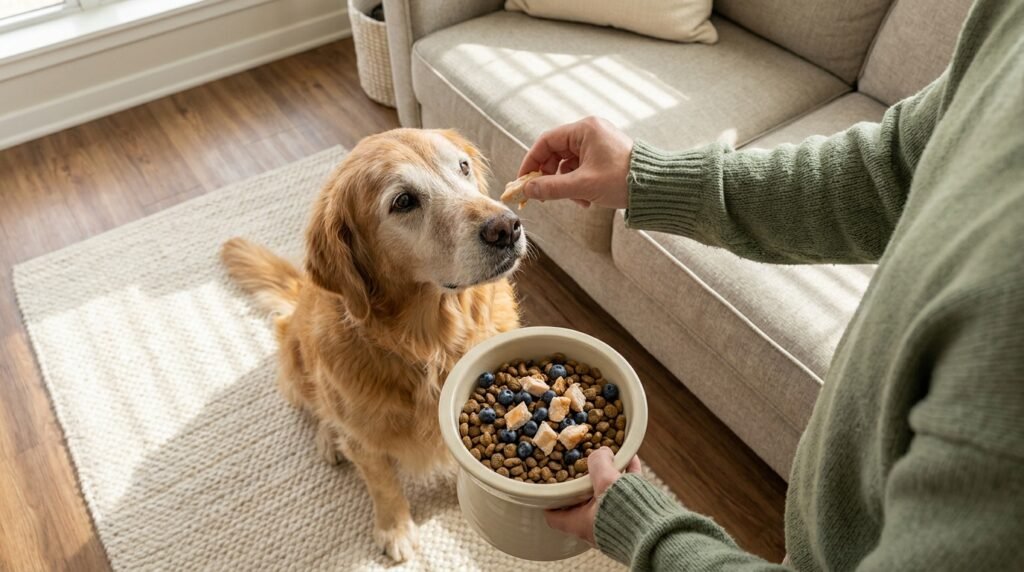
You see it in their eyes. That soft, trusting gaze your Golden Retriever gives you. It’s a look that says you are their entire world, their protector. But what if the very food you pour into their bowl, the act of love you perform every day, is the source of a silent, agonizing pain? The constant scratching, the upset stomach, the endless ear infections—it’s not just ‘a dog thing.’ It’s a cry for help. The truth is, the pet food industry has made it nearly impossible to know what you’re really feeding them. That’s about to change. The Pet Scan Genius app is launching soon to give you the power to see the truth behind the label. Don’t let your best friend suffer another day in silence. Visit https://pet.scangeni.us/ right now to join our exclusive free trial and be the first to protect them. Table of Contents Toggle The Unspoken Epidemic: Why Golden Retrievers Are So Prone to Allergies The Usual Suspects: Unmasking the Top Allergens in Your Dog’s Bowl The Big Three: Beef, Dairy, and Wheat The Poultry Problem: Chicken and Egg Allergies The Sneaky Grains: Corn and Soy The Hidden Additives: Artificial Colors, Preservatives, and Flavorings Reading the Signs: How Your Golden Retriever Cries for Help Skin Deep: The Itching, Scratching, and Hot Spots Gut-Wrenching Truths: Digestive Upset and GI Issues The Telltale Ears: Chronic Infections and Inflammation The Hidden Dangers: Deceptive Labels and Where Allergens Hide The Path to Relief: Diagnosis, Management, and a Brighter Future Frequently Asked Questions Can a Golden Retriever suddenly develop a food allergy to something they’ve eaten for years? What’s the difference between a food allergy and a food intolerance in Golden Retrievers? Are there any at-home tests for common food allergies in Golden Retrievers? How long does it take to see improvement in a Golden Retriever after changing their diet for an allergy? The Unspoken Epidemic: Why Golden Retrievers Are So Prone to Allergies Golden Retrievers are more than just pets; they’re family. Their joyful demeanor and unwavering loyalty brighten our lives. But beneath that beautiful golden coat often lies a sensitive system, making them one of the breeds most susceptible to allergies, particularly food allergies. This isn’t a failure on your part as a pet parent; it’s a complex issue rooted in genetics, environmental factors, and an increasingly complicated food supply chain. A food allergy occurs when a dog’s immune system mistakenly identifies a specific protein in their food as a harmful invader. It launches an attack, releasing histamines and other chemicals that manifest as the painful symptoms you see on the surface. This is different from a food intolerance, which is a digestive issue that doesn’t involve an immune response. Both can cause discomfort, but the underlying mechanism of an allergy is what leads to the chronic skin and ear problems that plague so many Goldens. It’s a heartbreaking cycle. You buy a premium, vet-recommended food, hoping for the best. For a while, things might seem fine. Then, the itching starts. The obsessive paw licking. The red, inflamed skin. You switch foods, and the cycle repeats. It’s an exhausting, expensive, and emotionally draining experience. You feel helpless, watching the creature you love suffer without knowing the true cause. The veterinary community acknowledges the widespread issue of adverse food reactions. As noted by leading authorities like the American Veterinary Medical Association (AVMA), what goes into your pet’s bowl has a direct and profound impact on their health and well-being. The problem is, the true culprits are often hidden in plain sight, disguised by clever marketing and intentionally confusing ingredient lists. This guide is your first step toward breaking that cycle. We will pull back the curtain on the most common food allergies in Golden Retrievers, teach you how to spot the symptoms, and show you where the dangers hide. It’s time to stop guessing and start knowing. The Usual Suspects: Unmasking the Top Allergens in Your Dog’s Bowl While any food ingredient can theoretically cause an allergic reaction, decades of veterinary research have identified a handful of proteins that are responsible for the vast majority of cases in dogs. For your Golden Retriever, the enemy is likely one of these common proteins, which are unfortunately the foundation of many commercial dog foods. The Big Three: Beef, Dairy, and Wheat It may seem counterintuitive. Beef is a classic dog food flavor, and a little cheese is a common treat. But for a sensitive Golden, these can be triggers for misery. Beef: As one of the most common proteins used in dog food for decades, dogs have had prolonged exposure, increasing the likelihood of developing an allergy. The specific protein structure in beef is a frequent target for an overactive canine immune system. If your dog’s food lists ‘beef,’ ‘beef meal,’ or ‘beef by-products’ as a primary ingredient, it’s a potential red flag. Dairy: Dogs, like many mammals, often lose the ability to properly digest lactose after they are weaned. While this is technically an intolerance, dairy products also contain proteins like casein that can trigger a true allergic immune response. This includes not just milk, but cheese, yogurt, and hidden dairy in baked treats. Wheat: Wheat gluten is a complex protein that is a very common allergen for dogs. It’s often used as a cheap binder and filler in lower-quality kibble. The reaction can cause both skin issues (atopic dermatitis) and severe gastrointestinal upset. Many owners who switch to a grain-free diet see improvement, often because they have unknowingly eliminated a wheat allergy trigger. For a deeper dive, you might want to read our guide on [Are Grain-Free Diets Right for Your Golden Retriever?]. The Poultry Problem: Chicken and Egg Allergies Chicken is the single most common dog food ingredient in the United States. It’s affordable, palatable, and a good source of protein. Unfortunately, it is also the most frequently reported food allergen in dogs. This is a classic case of overexposure. Because it’s in everything from kibble and wet