1. The Reality Behind the Crunch: Why Answering ‘Are Cheez-Its Gluten Free?’ Matters
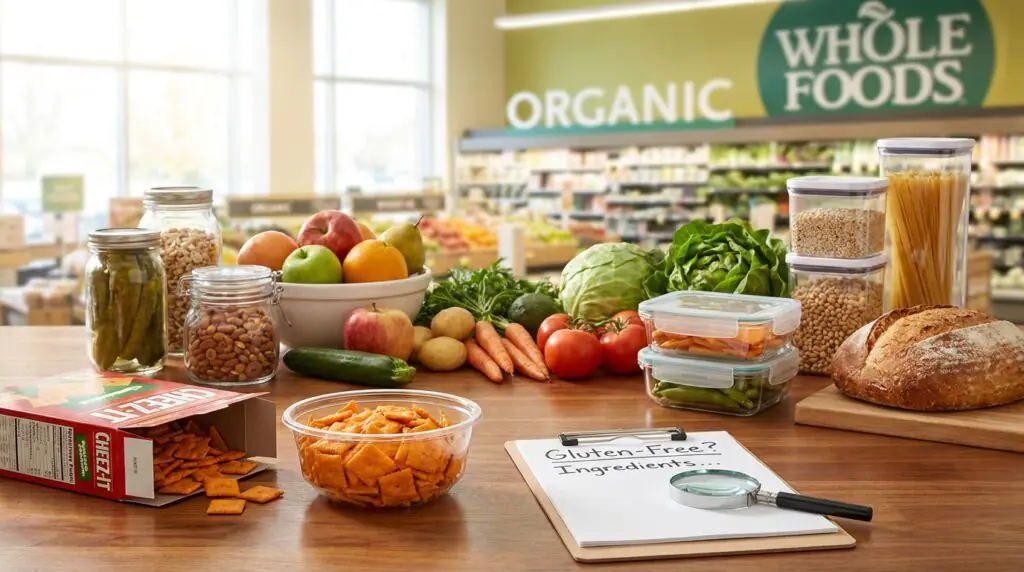
For anyone navigating a medical diagnosis of celiac disease, non-celiac gluten sensitivity (NCGS), or wheat anaphylaxis, walking down the snack aisle can trigger immediate cognitive fatigue. Few snacks evoke the nostalgic comfort of the iconic square, salted cheese cracker, prompting millions to urgently search: are cheez its gluten free? The unequivocal clinical answer is no. Classic Cheez-Its, manufactured by the Kellogg Company (Kellanova), are formulated primarily from enriched wheat flour, making them strictly unsafe for individuals requiring a gluten-free diet. Even microscopic ingestion of wheat protein can trigger systemic autoimmune inflammation, villous atrophy in the small intestine, and chronic malabsorption in individuals adhering to strict medical guidelines.
Understanding clinical tolerance requires familiarity with official thresholds. As outlined by the Celiac Disease Foundation Threshold Requirements, foods labeled ‘gluten-free’ must contain fewer than 20 parts per million (ppm) of gluten. Traditional Cheez-It crackers exceed this threshold by thousands of ppm, as wheat flour is their primary structural ingredient. Despite consumer petitions and the explosive growth of the gluten-free snack market, Kellanova has not released a certified gluten-free variant of their flagship snack. Instead, shoppers encounter dozens of spinoffs—Snap’d, Grooves, Puff’d, and limited-edition flavor dustings—that create confusion on grocery shelves.
Beyond the immediate gluten threat, chronic snack consumption introduces broader biochemical concerns. Cheez-Its represent an ultra-processed matrix engineered with industrial vegetable oils, emulsifiers, and artificial colorings. According to landmark PubMed Research on Ultra-Processed Foods & Gut Microbiome Disruption, regular dietary intake of highly processed, refined-grain snacks can alter intestinal microbial diversity and degrade tight junction proteins, exacerbating gut permeability even in non-celiac individuals. For families balancing autoimmune conditions with everyday pantry requests, deciphering these overlapping dietary risks requires total transparency rather than marketing guesswork.
Scan Any Label for Hidden Additives and Allergens — Free
Never second-guess confusing grocery labels again. Download Food Scan Genius to uncover hidden additives, toxic dyes, and allergens for the whole household before you buy.


2. Deceptive Formulation: Breaking Down Cheez-It Ingredients and Cross-Contact Loopholes
A glance at the traditional Cheez-It Original box reveals an ingredient panel loaded with direct gluten sources, unlisted derivatives, and industrial additives. When assessing whether cheez its gluten free inquiries have any gray area, a rigorous toxicological breakdown highlights multiple hidden traps:
- Enriched Flour (Wheat Flour, Niacin, Reduced Iron, Vitamin B1, B2, Folic Acid): The fundamental base of Cheez-Its. Wheat flour provides the glutenin and gliadin protein network responsible for the cracker’s structural snap. It is a direct trigger for celiac autoimmunity and wheat allergies.
- Autolyzed Yeast Extract: Frequently added to savory snacks to enhance umami flavor. While yeast extract can theoretically be grown on non-gluten substrates like sugar beets, it is frequently derived as a byproduct of the beer brewing process (brewer’s yeast derived from barley), introducing unlabeled hordein proteins that evade standard ‘wheat’ allergen alerts.
- Natural and Artificial Flavors: Under U.S. FDA regulations, flavor blends can harbor barley malt extract, maltodextrin derived from wheat, or hydrolysates without requiring explicit botanical source declarations unless a top-9 allergen is directly present.
- Soy Lecithin and Cross-Contact Emulsifiers: While pure soy lecithin is gluten-free, shared processing vessels in mega-scale commercial bakeries mean shared conveyance belts, particulate dust, and continuous industrial baking lines that carry extreme cross-contact risks.
- Paprika Oleoresin and Annatto Extract: Natural colorings evaluated under the European Food Safety Authority (EFSA) Additive Safety Regulations; while safe in pure isolation, these pigments often use carrier starches during powder suspension that may originate from cereal grains.
- Saturated Fats from Palm and Soybean Oils: Beyond allergen safety, high-heat processed vegetable oils present cardiovascular and metabolic challenges. The World Health Organization Guidelines on Healthy Diets & Saturated Fats emphasize minimizing trans-fats and hyper-processed industrial lipid fractions that compromise metabolic health.
Compounding these formulation hazards is the ‘May Contain’ loophole. The FDA does not mandate precautionary allergen labeling (PAL). A manufacturer can produce wheat-loaded crackers on the exact same line as a cheese-puff style snack and legally omit a warning statement unless an intentional allergen is present. This leaves sensitive shoppers completely unprotected without deep recursive ingredient audits.
3. Scanning Past the Blindspots: Food Scan Genius vs. Legacy Dietary Tools
| Feature / Capability | Food Scan Genius | Fig App | Spoonful | Manual Label Reading |
|---|---|---|---|---|
| Core Cost & Access | 100% Free Core Access (Zero Paywalls) | Paid Subscription ($59/year) | Freemium (Strict Scan Limits) | Free (High Human Error) |
| Database Architecture | NutriGraph Enterprise (5M+ UPCs, Recursive AST Parsing) | Proprietary Lexicon (Limited Cross-Reference) | Dietitian Curated (Slow Catalog Growth) | None (Visual Inspection Only) |
| Family Multi-Profile Screening | Multi-Household Profiles (Instant Named Attribution) | Single User Profile | Single User Profile | Mental Tracking (High Cognitive Burden) |
| Dietary Coverage Depth | 39 Presets + Custom Sensitivity Builder | Standard Allergen + Low FODMAP | FODMAP / Specialized Diets Only | Self-Directed |
| Nutritional Processing Context | ScanGenius AI + NOVA 1-4 + Nutri-Score | Binary Green/Yellow/Red Flags | Traffic Light System Only | None |
When resolving concerns like cheez its gluten free certification, basic barcode scanners often deliver overly simplistic binary alerts without explaining sub-ingredient origins. Food Scan Genius changes this paradigm through the enterprise NutriGraph Database, indexing over 5,000,000 verified global UPC/EAN barcodes. Leveraging recursive Abstract Syntax Tree (AST) parsing, NutriGraph deconstructs compound ingredient statements into base biochemical elements, exposing hidden carriers like wheat-derived starches in seasoning blends or hidden barley malt in generic flavorings.
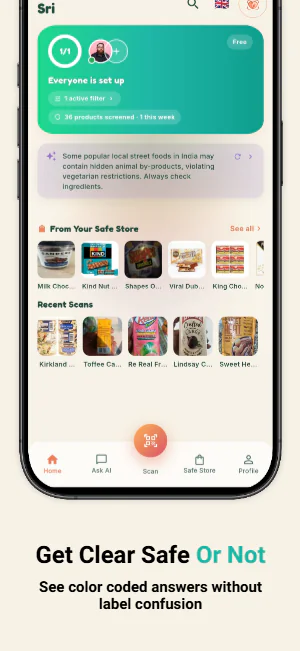
Rather than relying on moralizing ‘good vs. bad’ food scores, the platform deploys ScanGenius AI Insight. This engine translates complex clinical data into actionable context, combining rigorous ingredient safety screening with objective NOVA 1-4 ultra-processing classifications and international Nutri-Score metrics. Parents managing complex households can screen an entire shopping cart in seconds with multi-household family profiles, delivering clear, individual safety readouts like ‘Fails for Leo (Celiac / Gluten)’ alongside healthy, certified gluten-free cracker alternatives with zero paywalls.
4. Related Food Safety & Dietary Guides
- Best Food Allergy Scanner App – Scan Food Labels Instantly — Food Allergy & Sensitivity Scanner Hub
- The 7 Best Free Food Scanner Apps of 2026 — best free food scanner apps
- Choosing the Best Barcode Scan App for Your Health — guide to choosing a barcode scanner app
- Food Scan Genius: World’s #1 Food Ingredient Scanner App — Food Scan Genius scanner app
5. Scientific & Health Authority References
- Celiac Disease Foundation Threshold Requirements
- European Food Safety Authority (EFSA) Additive Safety Regulations
- PubMed Research on Ultra-Processed Foods & Gut Microbiome Disruption
- World Health Organization Guidelines on Healthy Diets & Saturated Fats
6. How to Scan in 3 Simple Steps
- Download Food Scan Genius for free on iOS or Android with zero subscriptions or paywalls.
- Configure your family dietary preferences across 39 profiles (such as Celiac, Wheat Allergy, or Grain-Free) or add custom triggers for seed oils and artificial food dyes.
- Scan any cracker or snack barcode in under 2 seconds for an instant sub-ingredient audit trail, processing breakdown, and safe gluten-free alternatives.
Instant Gluten-Free Audit Trail
7. Frequently Asked Questions (FAQ)
Are Cheez-Its gluten free under any circumstances?
No. Classic Cheez-Its, including Original, White Cheddar, Extra Toasty, and Snap’d varieties, are made with enriched wheat flour and contain gluten. They are strictly unsafe for individuals with celiac disease or gluten sensitivity. Use Food Scan Genius to scan snack boxes and verify ingredient safety.
Does Kellanova (Kellogg’s) make certified gluten-free Cheez-Its?
As of 2026, Kellanova does not manufacture a certified gluten-free version of Cheez-Its. Any product carrying the Cheez-It trademark contains wheat flour. Fortunately, multiple alternative brands make dedicated gluten-free cheddar cheese crackers using almond flour, cassava, or rice starches.
What are the best certified gluten-free alternatives to Cheez-Its?
Popular safe alternatives include Simple Mills Organic Seed Flour Cheddar Crackers, MadeGood Cheddar Crackers, Every Body Eat Cheese-Less Thins, and Goldfish-style gluten-free cheddar crackers certified to under 20 ppm gluten. Scanning these products with Food Scan Genius confirms both their allergen safety and NOVA processing classification.
Can autolyzed yeast extract in cheese snacks contain gluten?
Yes. Autolyzed yeast extract can be derived from spent brewer’s yeast sourced from barley fermentation. Unless the manufacturer explicitly certifies the product as gluten-free or specifies a non-gluten substrate, yeast extracts pose a hidden contamination risk. Food Scan Genius deconstructs compound yeast extracts using recursive AST parsing to flag potential barley derivatives.
Know What’s In Your Food Before You Buy — Scan Free Today
Never second-guess confusing grocery labels again. Download Food Scan Genius to uncover hidden additives, toxic dyes, and allergens for the whole household before you buy.