1. Why Choosing a Gluten Free Pie Shell Is Harder Than It Looks in 2026
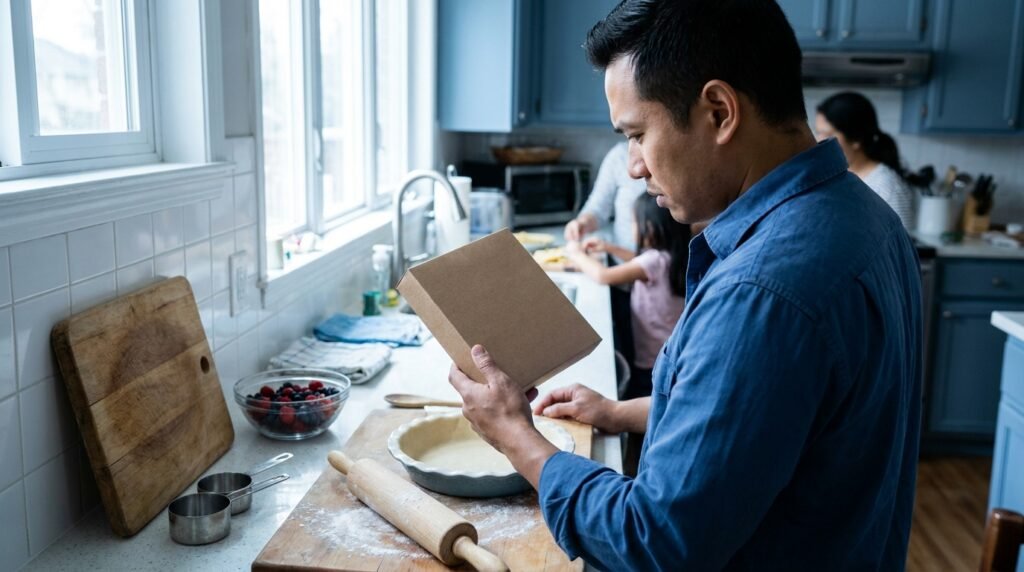
You have the filling ready, the oven is preheating, and the holiday dessert table is waiting. Then you reach the freezer aisle and face a handful of boxes, each promising a tender, flaky crust. If you or someone you love avoids gluten, you know the next thirty seconds can feel stressful. You are not just choosing a gluten free pie shell. You are trusting a label with someone’s health, and you are hoping the crust won’t crumble into sandy pieces the moment a knife touches it.
The frustration is reasonable. Traditional pie dough gets its flaky layers from gluten, which gives wheat dough elasticity and structure. Without it, manufacturers have to rebuild that structure from rice flour, tapioca, potato starch, sorghum, gums, and fats. That is a real technical challenge. It is why some store-bought shells shatter when thawed, bake up pale and gummy, or taste faintly of beans or starch. Fast baking adds another constraint: a shell that goes from freezer to oven needs to hold its shape without long chilling or blind-baking fuss.
For people with celiac disease, the stakes go beyond texture. Even small, repeated exposures can trigger intestinal damage, whether or not symptoms appear. The Celiac Disease Foundation Threshold Requirements reflect the widely used standard that foods labeled gluten-free should contain less than 20 parts per million of gluten. Meeting that standard depends on ingredient sourcing, manufacturing practices, and cross-contact controls that a shopper cannot see from the front of the box.
Formulations also change. A shell that was safe last season may switch suppliers, move production lines, or add a new starch or flavoring. That is why we advise against relying on a fixed list of favorite brands. At Food Scan Genius, we think the better approach is to learn what makes a good gluten-free crust, then verify the specific package in your hand each time you buy. Your caution is not overreacting. It is good practice.
Scan Any Label for Hidden Additives and Allergens — Free
Never second-guess confusing grocery labels again. Download Food Scan Genius to uncover hidden additives, toxic dyes, and allergens for the whole household before you buy.


2. Sneaky Ingredients and Labeling Loopholes in Gluten Free Pie Shells
Most problems with a store-bought crust are not obvious. They sit in ingredient sub-lists, voluntary advisory statements, and differences between regulatory regimes. Here are the issues we see most often when auditing pie crusts:
- ‘Wheat-free’ is not ‘gluten-free.’ A crust can omit wheat and still contain barley malt, rye, or other gluten-containing grains. Only a compliant gluten-free claim or certification addresses all of them.
- Oats without certification. Oat flour sometimes appears for tenderness and flavor. Conventional oats are frequently cross-contaminated with wheat or barley during harvest and milling, so look for oats specifically labeled gluten-free.
- Voluntary ‘may contain’ statements. Advisory language about shared equipment is generally not standardized. One brand may print it, while another with similar risk prints nothing. The absence of a warning is not proof of safety.
- Ambiguous starches, dextrins, and malt-derived ingredients. Modified food starch, dextrin, maltodextrin, and natural flavors can come from different sources depending on the product and the market. Allergen rules vary by region, and barley or rye derivatives may not be flagged the way wheat is.
- Fats, emulsifiers, and gums doing the heavy lifting. Without gluten, crusts often depend on shortening, palm oil, mono- and diglycerides, xanthan gum, or cellulose gum for flakiness and shelf stability. These are not gluten risks, but they matter for people managing saturated fat intake. The World Health Organization Guidelines on Healthy Diets & Saturated Fats offer useful context for weighing those fats. Additives are also reviewed under frameworks such as the European Food Safety Authority (EFSA) Additive Safety Regulations.
- Other allergens hiding in the dough. Many gluten-free shells contain egg, soy, milk, or tree-nut ingredients. A household managing multiple restrictions needs to check all of them, not only gluten.
It is also worth knowing how processing level fits in. Many shelf-stable and frozen crusts are ultra-processed under the NOVA system. That does not make a crust unsafe, and a gluten-free crust is often the only practical option for a celiac household. Still, PubMed Research on Ultra-Processed Foods & Gut Microbiome Disruption is a helpful starting point for readers who want to understand how ultra-processed eating patterns are being studied. Use that context for balance, not for guilt.
3. Head-to-Head: Verifying a Gluten Free Pie Shell With Food Scan Genius
| Dimension | Food Scan Genius | Fig | Spoonful | Manual Label Reading |
|---|---|---|---|---|
| Cost | 100% free core features, no paywalls | About $59/yr for full access | Limited scans on free tier | Free, but time-consuming |
| Ingredient Depth | NutriGraph database with 5,000,000+ verified barcodes and recursive sub-ingredient parsing | Ingredient-level screening | Ingredient-level screening | Depends on your own expertise |
| Dietary Profiles | 39 profiles plus custom sensitivities (seed oils, dyes, additives) | Predefined profiles | Predefined profiles | Whatever you remember to check |
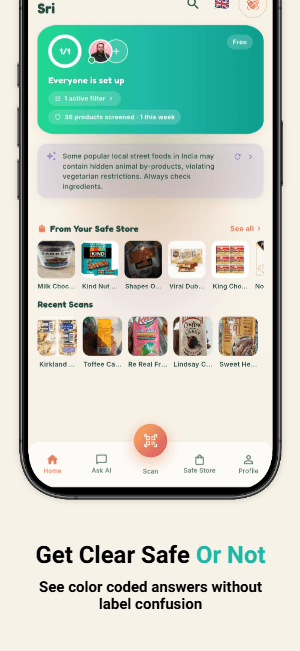
| Family Screening | Multi-household profiles, one scan, named results like ‘Fails for Sri (Gluten)’ | Varies by plan | Varies by plan | Repeat the check for each person |
| Languages | 11 global languages with real-time in-app translation | Varies | Varies | Only the language on the box |
The core advantage is depth. A pie crust ingredient list might read ‘rice flour, palm oil, modified starch, natural flavor,’ and each of those can contain its own sub-ingredients. The NutriGraph Database uses recursive parsing to follow compound ingredients down to their components. That means a shell is judged on what is actually in it, not just on the front-of-pack claim. Because the database covers more than 5,000,000 verified UPC and EAN barcodes, you can usually check a package before it goes into your cart.
Then the ScanGenius AI Insight adds context. Instead of handing you a single moralizing score, it explains why a crust passed or failed for the profiles you selected. It pairs that explanation with a NOVA 1-4 classification and a Nutri-Score, so you can see the full picture: gluten status, processing level, and nutritional profile. A shell can be safe for your celiac child, rank as highly processed, and still be a reasonable choice for a once-a-year pie. We believe you should make that call with clear information, and the app is built to support it.
4. Related Food Safety & Dietary Guides
- Best Food Allergy Scanner App – Scan Food Labels Instantly — Food Allergy & Sensitivity Scanner Hub
- The 7 Best Free Food Scanner Apps of 2026 — best free food scanner apps
- Choosing the Best Barcode Scan App for Your Health — guide to choosing a barcode scanner app
- Food Scan Genius: World’s #1 Food Ingredient Scanner App — Food Scan Genius scanner app
5. Scientific & Health Authority References
- Celiac Disease Foundation Threshold Requirements
- European Food Safety Authority (EFSA) Additive Safety Regulations
- PubMed Research on Ultra-Processed Foods & Gut Microbiome Disruption
- World Health Organization Guidelines on Healthy Diets & Saturated Fats
6. How to Scan in 3 Simple Steps
- Download Food Scan Genius free on iOS or Android. There is no paywall on the core features and no scan limit to worry about while you compare crusts in the freezer aisle.
- Set up your profiles. Choose Gluten-Free or Celiac, add other family members under your household, and use Add Your Own Custom Sensitivity for anything else you avoid, such as palm oil, seed oils, certain dyes, or specific gums.
- Scan the pie shell barcode and see results in about 2 seconds. You get an instant audit trail showing flagged sub-ingredients, named fail attribution for each family member, the NOVA group, the Nutri-Score, and the ScanGenius AI Insight explanation.
Instant Gluten-Free Audit Trail
7. Frequently Asked Questions (FAQ)
What should I look for when choosing a gluten free pie shell?
Start with a compliant gluten-free claim or a recognized certification seal, since a ‘wheat-free’ statement is not enough. Then check for uncertified oats, ambiguous starches or dextrins, and any shared-facility advisory. For texture and fast baking, look for shells designed to go straight from freezer to oven. Scanning the barcode in Food Scan Genius lets the NutriGraph Database parse sub-ingredients against your gluten-free profile and any custom sensitivities in about two seconds.
Is a ‘gluten-free’ label on a pie shell enough for someone with celiac disease?
A gluten-free claim means the product is meant to meet a legal threshold, commonly under 20 ppm in the US and EU. Many people with celiac disease rely on that, but sensitivity varies and manufacturing practices matter. If you are highly sensitive, look for third-party certification and contact the manufacturer about cross-contact controls. Food Scan Genius helps by flagging hidden gluten sources in ingredient lists, though it complements your clinician’s advice and does not replace it.
Why do some gluten free pie shells crumble or bake up gummy?
Gluten gives wheat dough its stretch and structure, so gluten-free crusts must imitate that with starches, gums, and fats. Too little binder makes the crust crumble, while too much starch or moisture can make it gummy. Thawing time, oven temperature, and pan type also matter. Following the package instructions closely, such as pricking the base and using a preheated baking sheet if suggested, usually improves results. The ScanGenius AI Insight can also show which ingredients are doing the structural work.
Can Food Scan Genius check a gluten free pie shell for the whole family at once?
Yes. With Multi-Household Family Profiles, one scan screens the crust against every member’s dietary needs and names who is affected, for example ‘Fails for Sri (Gluten).’ This is useful when one person is celiac, another avoids dairy, and a third wants to limit seed oils. The app supports 39 dietary profiles, custom sensitivities, and 11 languages with real-time translation, and the core features are free.
Know What’s In Your Food Before You Buy — Scan Free Today
Never second-guess confusing grocery labels again. Download Food Scan Genius to uncover hidden additives, toxic dyes, and allergens for the whole household before you buy.