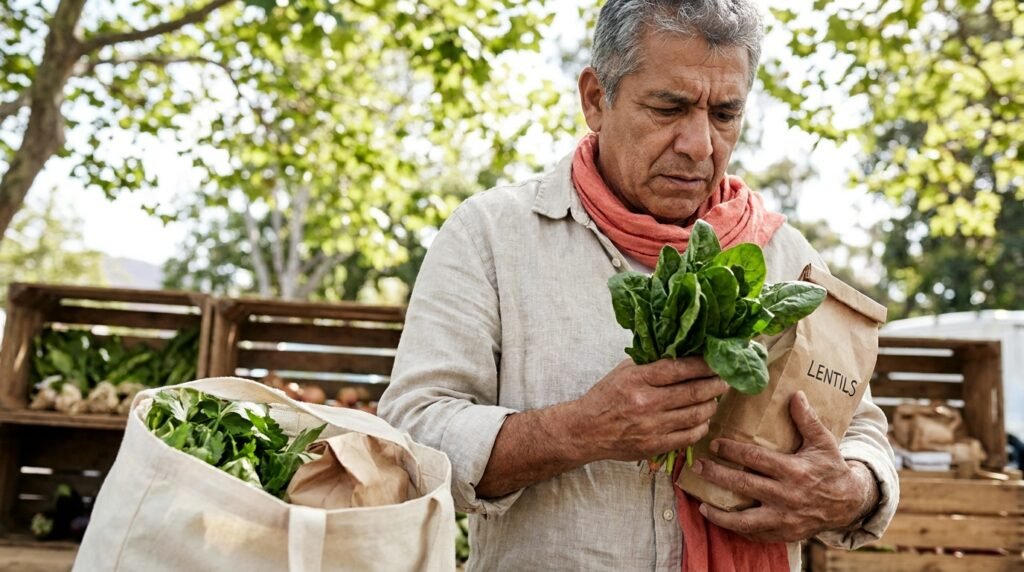
1. Why Iron Rich Foods for Infants Feel So Hard to Get Right in 2026
If you have ever stood in the baby aisle at 9 p.m. holding two nearly identical boxes of infant cereal, you know how heavy this decision can feel. Around six months, a baby’s natural iron stores begin to run low, and pediatric guidance shifts to a simple but urgent message: start offering iron rich foods. Yet no one explains how to do that when your baby has one tooth, strong opinions, and a tiny stomach. Feeling overwhelmed is not a failure. It is a reasonable response to a lot of conflicting advice.
The clinical stakes are real, which is part of why the pressure is so intense. Babies aged 7 to 12 months need about 11 mg of iron per day, more than at nearly any other point in childhood relative to their size. Iron supports brain development, energy, and immune function, and deficiency in infancy is linked to lasting effects on learning and behavior. Breastfed babies in particular often need a supplement until iron-rich solids are well established, so talk to your pediatrician about your baby’s individual plan and screening. Nothing in this guide replaces that conversation.
Then there is the label problem. Many of the best iron sources, such as eggs, peanut, soy, fish, and wheat-based fortified cereals, are also top allergens. Under the FDA Food Allergen Labeling & Consumer Protection Act (FALCPA), major allergens must be declared in plain language. But a label that is legally compliant is not always easy to interpret when you are tired and your baby is crying. General nutrition frameworks such as the World Health Organization Guidelines on Healthy Diets & Saturated Fats remind us to limit salt, free sugars, and unhealthy fats, and those concerns apply to packaged toddler foods too.
Finally, many convenient baby products sit on the highly processed end of the spectrum. Ongoing scientific interest in the PubMed Research on Ultra-Processed Foods & Gut Microbiome Disruption has made many parents wonder what is really inside a pouch. The goal is not perfection or guilt. It is knowing what is in the food so you can choose with confidence.
Scan Any Label for Hidden Additives and Allergens — Free
Never second-guess confusing grocery labels again. Download Food Scan Genius to uncover hidden additives, toxic dyes, and allergens for the whole household before you buy.


2. The Science of Iron Absorption and the Label Loopholes Parents Miss
Food contains two kinds of iron. Heme iron, found in beef, lamb, turkey, and fish, is absorbed far more efficiently (roughly 25%) than non-heme iron from beans, lentils, tofu, seeds, and fortified grains (often 2 to 10%). Vitamin C helps non-heme absorption, while calcium, tea, and some plant compounds reduce it. Here are the places where labels and marketing can mislead well-meaning parents:
- Vague ‘fortified’ or ‘good source of iron’ claims: The percentage of Daily Value, the iron form (such as electrolytic iron or ferrous fumarate), and the serving size all matter. A claim on the front says little about how much your baby actually eats.
- Pouch names that outrun their ingredients: A pouch called ‘Spinach, Lentil & Pear’ may list pear first. Ingredients appear by weight, so the iron-rich item can be a minor component.
- Absorption blockers in plant-based foods: Spinach is high in oxalates, and whole grains and legumes contain phytates. These foods are still valuable, but pairing them with vitamin C foods matters.
- Allergens inside iron-rich products: Tahini in hummus (sesame), egg in pastas, and wheat in cereals can all appear. FALCPA covers major allergens, but voluntary ‘may contain’ statements are inconsistent across brands.
- Sodium and added sugar in ‘toddler’ products: Canned beans, deli meats, and savory snacks can carry far more salt than an infant needs. Rinse canned beans and skip processed meats.
- Additives, flavors, and thickeners: Many infant products use starches, natural flavors, or colorings. The European Food Safety Authority (EFSA) Additive Safety Regulations show how rigorously additives are evaluated, though rules differ by country and product.
Iron Rich Foods for Infants by Age, and How to Serve Them
- Around 6 months (when ready for solids): Iron-fortified single-grain infant cereal thinned with breast milk or formula; smooth puréed beef, lamb, or dark turkey; mashed lentils; well-cooked egg thinned into a purée or offered as a soft strip omelet. Preload a spoon or offer soft, finger-length strips.
- 7 to 9 months: Soft tofu cubes, finely shredded slow-cooked meat, mashed beans, flaked boneless sardines or salmon with no added salt, and thinned peanut butter stirred into oatmeal. Allergens should be introduced early and often, per your pediatrician’s advice.
- 10 to 12 months: Soft meatballs, flattened chickpeas, shredded dark-meat poultry, ground pumpkin seeds over yogurt, and scrambled eggs. Practice self-feeding with soft, squishable textures.
- 12 to 24 months: Continue all of the above, adding smashed beans, small tender pieces of lean beef, and iron-fortified pasta. Keep cow’s milk to about 16 to 24 oz daily, since too much can crowd out iron-rich foods.
Serve vitamin C foods alongside iron meals, such as strawberries, orange segments, or soft bell pepper. Avoid honey before age one, and never serve whole nuts, whole grapes, or thick globs of nut butter, which are choking hazards.
3. Head-to-Head: How Food Scan Genius Compares for Packaged Baby Foods
| Dimension | Food Scan Genius | Fig | Spoonful | Manual Label Reading |
|---|---|---|---|---|
| Cost | 100% free core features, no paywalls | $59/yr | Limited scans | Free |
| Database depth | NutriGraph: 5M+ verified UPC/EAN barcodes, recursive sub-ingredient parsing | App database | App database | Only what you can read and decode |
| Dietary profiles | 39 profiles plus custom sensitivities | Preset profiles | Preset profiles | Memory and notes |
| Family screening | Multi-household profiles, one scan, named fail attribution | Varies | Varies | Checked one person at a time |
| Languages | 11 global languages with real-time translation | Varies | Varies | Requires separate translation |
Infant foods often have layered ingredient lists: a cereal includes a premix, the premix includes a carrier, and the carrier may contain a milk, soy, or wheat derivative. Food Scan Genius reads these layers through the NutriGraph Database’s recursive ingredient parsing, so a hidden sesame or soy source is surfaced instead of buried. You can build a profile for your baby’s allergens or for your own household preferences, such as avoiding added sugar, a specific dye, or seed oils, using the custom sensitivity option.
The ScanGenius AI Insight adds context rather than a simplistic moral score. It explains that a fortified cereal can be a useful iron source while still flagging its sugar or additive content. Each product also shows its NOVA 1 to 4 processing classification and Nutri-Score, so you can see how processed it is without being told a food is simply ‘good’ or ‘bad.’ If you shop for a blended household, one scan can show results such as ‘Fails for Sri (Gluten)’ next to your baby’s profile, which saves time and mental load.
4. Related Food Safety & Dietary Guides
- Best Food Allergy Scanner App – Scan Food Labels Instantly — Food Allergy & Sensitivity Scanner Hub
- The 7 Best Free Food Scanner Apps of 2026 — best free food scanner apps
- Choosing the Best Barcode Scan App for Your Health — guide to choosing a barcode scanner app
- Food Scan Genius: World’s #1 Food Ingredient Scanner App — Food Scan Genius scanner app
5. Scientific & Health Authority References
- FDA Food Allergen Labeling & Consumer Protection Act (FALCPA)
- European Food Safety Authority (EFSA) Additive Safety Regulations
- PubMed Research on Ultra-Processed Foods & Gut Microbiome Disruption
- World Health Organization Guidelines on Healthy Diets & Saturated Fats
6. How to Scan in 3 Simple Steps
- Download Food Scan Genius free on iOS or Android. There are no paywalls on core features, so you can scan every cereal, pouch, and snack you consider.
- Set up your family profile for your baby’s stage: add known or suspected allergens, choose from 39 dietary profiles, and add custom sensitivities such as added sugar, specific dyes, or additives. Add other household members so each person is screened at once.
- Scan the barcode in about two seconds and review the instant audit trail: flagged sub-ingredients, NOVA 1 to 4 classification, Nutri-Score, and the ScanGenius AI Insight explaining the iron source and any trade-offs.
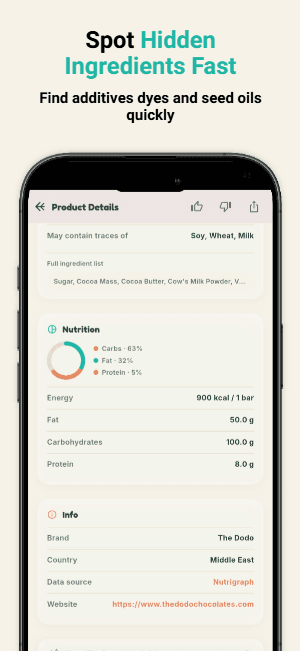
Personalized Match & AI Insight
7. Frequently Asked Questions (FAQ)
When should I start offering iron rich foods to my infant?
Most health authorities recommend starting complementary foods around six months, when your baby shows readiness signs such as sitting with support and showing interest in food. Iron-rich options like fortified infant cereal, puréed meat, lentils, and egg should be among the first foods. Breastfed babies may need an iron supplement before then, so confirm the plan with your pediatrician. Food Scan Genius can help you check packaged first foods against your baby’s profile.
Which iron rich foods for infants are absorbed best?
Heme iron from beef, lamb, turkey, and fish is absorbed most efficiently. Non-heme iron from lentils, beans, tofu, seeds, and fortified cereals is absorbed less well but improves when served with vitamin C foods like strawberries, orange, or bell pepper. A varied mix works best. When you scan a fortified product with Food Scan Genius, the AI Insight shows the ingredient context so you can pair it sensibly.
Can Food Scan Genius help me avoid allergens in iron rich foods for infants?
Yes. Food Scan Genius uses NutriGraph’s deep sub-ingredient parsing to surface allergens that may be hidden in compound ingredients, such as sesame in hummus or egg and wheat in fortified products. You can set allergen profiles for each family member and get named fail attribution in a single scan. It supports your label reading but does not replace medical advice, especially for infants with diagnosed allergies.
Is it safe to give my baby iron-fortified cereal every day?
Iron-fortified infant cereal is a common, practical iron source, but it should be one part of a varied diet that includes meats, legumes, eggs, and vegetables. Check for added sugars and unnecessary additives, and avoid relying on cereal alone. Scanning the barcode in Food Scan Genius shows the NOVA classification, Nutri-Score, and flagged ingredients, so you can compare brands. Ask your pediatrician about the right amount for your baby.
Know What’s In Your Food Before You Buy — Scan Free Today
Never second-guess confusing grocery labels again. Download Food Scan Genius to uncover hidden additives, toxic dyes, and allergens for the whole household before you buy.