1. Why Getting Enough Iron Is Harder (and More Confusing) Than It Should Be in 2026
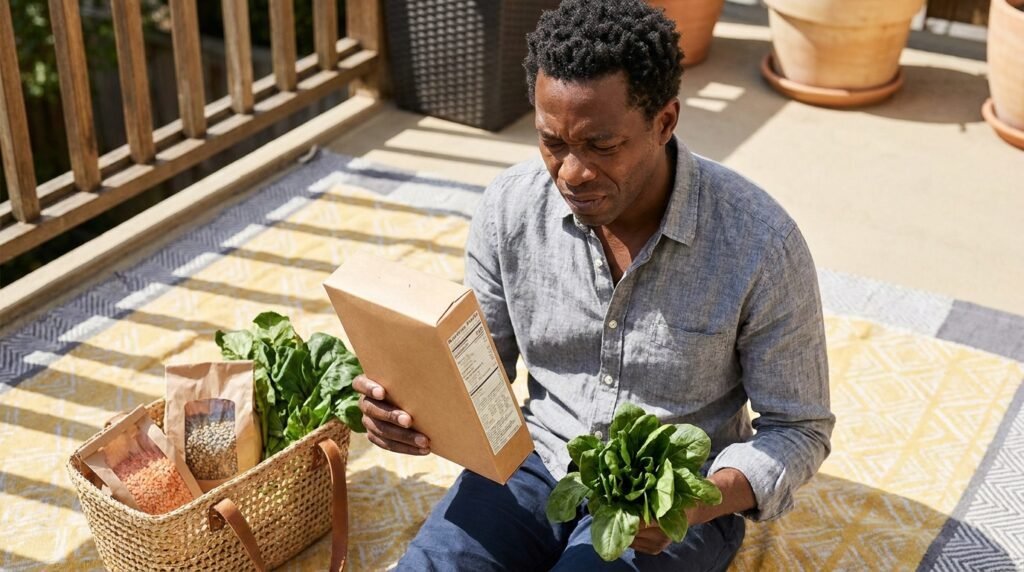
If you are pregnant and exhausted, pale, or short of breath on the stairs, you are not imagining it, and you are not failing. Pregnancy asks a lot of your body. Your blood volume expands by roughly 50%, and your baby and placenta need iron to grow. Recommended intake rises to about 27 mg per day, up from 18 mg before pregnancy. Then you walk into a grocery store and find a wall of boxes shouting ‘iron fortified,’ ‘made with enriched flour,’ and ‘good source of iron.’ Working out which of those claims is worth your money can feel like a second job.
The clinical picture explains why this matters. Iron deficiency is the most common nutritional shortfall in pregnancy, and it can progress to anemia. Your provider will usually check your hemoglobin and ferritin, and may recommend a prenatal vitamin or a separate supplement. Food is still a major part of the picture. Building your plate around iron rich foods when pregnant supports your levels between appointments. It also fits the balanced patterns described in the World Health Organization Guidelines on Healthy Diets & Saturated Fats, which favor legumes, whole grains, and lean proteins over heavily processed choices.
The best natural sources are lean red meat, poultry, and low-mercury fish, which supply heme iron that your body absorbs efficiently. Plant sources include lentils, chickpeas, beans, tofu, pumpkin seeds, quinoa, and cooked leafy greens. Eggs and iron-fortified whole-grain cereals can fill the gaps. Plant (non-heme) iron is absorbed less readily, so pairing it with vitamin C, such as peppers, citrus, strawberries, or tomatoes, makes a real difference.
Packaged foods are where it gets murky. Many fortified products are also ultra-processed, and the PubMed Research on Ultra-Processed Foods & Gut Microbiome Disruption is a reminder to look past the iron number to the rest of the ingredient list. Fortified items also frequently contain wheat, milk, or soy. Under the FDA Food Allergen Labeling & Consumer Protection Act (FALCPA), major allergens must be declared, but you still have to know where to look. You deserve a faster way to decide, and that is what the rest of this guide is for.
Scan Any Label for Hidden Additives and Allergens — Free
Never second-guess confusing grocery labels again. Download Food Scan Genius to uncover hidden additives, toxic dyes, and allergens for the whole household before you buy.


2. Reading Between the Lines: Where Iron Claims on Packaged Foods Can Mislead
Fortification is a legitimate public health tool, and it has helped many families. But a bold front-of-pack claim does not always tell you what you need to know as an expectant parent. Regulators such as the European Food Safety Authority evaluate additive safety, and iron compounds used in fortification are assessed within related frameworks. You can review the European Food Safety Authority (EFSA) Additive Safety Regulations to see how ingredient oversight works. Even so, compliant labeling can leave real gaps in practical understanding. Here are the most common ones to watch for:
- The %DV mismatch: Nutrition Facts panels in the US base the Daily Value for iron on 18 mg, not the 27 mg recommended in pregnancy. A cereal listing 100% DV delivers 18 mg, which is only two-thirds of your pregnancy target.
- ‘Enriched’ does not mean nutrient-dense: Enriched flour has some iron added back after refining. White bread and pasta made this way contribute iron, but they may offer little fiber and plenty of refined starch.
- Fortificant forms differ: Ingredient lists name forms such as ferrous sulfate, ferrous fumarate, ferrous bisglycinate, ferric pyrophosphate, and reduced or elemental iron. They differ in absorption and in how well they sit with your stomach, and the label rarely explains which is which.
- Serving-size optimism: A product may reach an impressive iron percentage only with a small serving, or only when eaten with fortified milk. Check the serving size against what you actually eat.
- Built-in absorption blockers: Added calcium carbonate, bran-heavy grains, cocoa, and tea-based products can reduce non-heme iron absorption. A fortified snack that is also high in calcium or phytates may do less than you expect.
- Stacked vitamin A: Liver-based spreads and some fortified foods can supply preformed vitamin A (retinol). In pregnancy, very high intake of preformed vitamin A is a concern, so it is worth tracking alongside your prenatal vitamin.
None of this means fortified foods are bad. It means you need the whole ingredient list, not only the headline claim. A fortified cereal with 12 grams of added sugar and a long additive list is a different choice from a plain fortified oat product, even if their iron numbers match. A calm, informed comparison beats guilt every time.
3. Food Scan Genius vs. Other Ways to Check a Fortified Product
| Dimension | Food Scan Genius | Fig | Spoonful | Manual Label Reading |
|---|---|---|---|---|
| Cost | 100% free core features, zero paywalls | About $59/yr for full access | Limited scans on free tier | Free, but time-intensive |
| Database & ingredient depth | NutriGraph: 5,000,000+ verified UPC/EAN barcodes with recursive sub-ingredient parsing | Ingredient-level screening | Barcode lookup within scan limits | Depends on your own knowledge of ingredient names |
| Personalization | 39 dietary profiles plus custom sensitivities | Preset diet and allergy profiles | Preset preferences | None; you track everything mentally |
| Family screening | Multi-household profiles with named fail attribution in one scan | Individual-focused | Individual-focused | One label at a time, per person |
| Context & language | ScanGenius AI Insight, NOVA 1-4, Nutri-Score, 11 languages with real-time translation | Ingredient flags | Ingredient flags | Limited to what you can read and translate |
The real advantage is depth. Food Scan Genius runs on the NutriGraph Database, which holds more than five million verified UPC and EAN barcodes. It uses recursive AST parsing to open up compound ingredients, so an ‘enriched flour blend’ or a ‘vitamin and mineral premix’ is broken into the components inside it. For pregnancy, that means you can see the fortificant forms, spot added calcium or retinol, and notice dairy, soy, or gluten you may be avoiding. Everything is free at the core, with no scan caps and no subscription wall at the moment you are standing in the cereal aisle.
Data alone can feel clinical, so ScanGenius AI Insight adds nuanced context rather than a single moralizing score. It might note that a cereal is a meaningful iron contributor but is also NOVA 4 with added sugar, and show the Nutri-Score alongside. You decide what fits your pregnancy, your provider’s advice, and your budget. With 39 supported dietary profiles, vegetarian, gluten-free, and dairy-free among them, plus custom sensitivities for specific additives or dyes, your screen reflects your actual life. Multi-Household Family Profiles show results such as ‘Fails for Sri (Gluten)’ so one scan serves the whole table. Real-time translation across 11 languages helps when you are reading imported products or sharing results with family.
4. Related Food Safety & Dietary Guides
- Best Food Allergy Scanner App – Scan Food Labels Instantly — Food Allergy & Sensitivity Scanner Hub
- The 7 Best Free Food Scanner Apps of 2026 — best free food scanner apps
- Choosing the Best Barcode Scan App for Your Health — guide to choosing a barcode scanner app
- Food Scan Genius: World’s #1 Food Ingredient Scanner App — Food Scan Genius scanner app
5. Scientific & Health Authority References
- FDA Food Allergen Labeling & Consumer Protection Act (FALCPA)
- European Food Safety Authority (EFSA) Additive Safety Regulations
- PubMed Research on Ultra-Processed Foods & Gut Microbiome Disruption
- World Health Organization Guidelines on Healthy Diets & Saturated Fats
6. How to Scan in 3 Simple Steps
- Download Food Scan Genius free on iOS or Android. There is no paywall, subscription prompt, or scan limit on the core features, so you can start checking products right away.
- Set up your pregnancy-friendly profile. Choose from 39 dietary profiles (vegetarian, gluten-free, dairy-free, and more), add custom sensitivities such as a specific additive or dye, and add household members so the whole family is screened together.
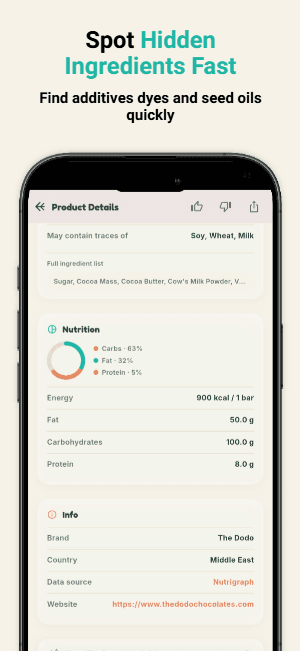
- Scan any barcode in about two seconds. Review the instant audit trail of parsed sub-ingredients, iron and fortificant details, NOVA group, Nutri-Score, and the ScanGenius AI Insight, then decide with confidence and bring questions to your provider.
Personalized Match & AI Insight
7. Frequently Asked Questions (FAQ)
How much iron do I need when pregnant, and what are the best food sources?
Most guidelines recommend about 27 mg of iron per day during pregnancy, compared with 18 mg for non-pregnant adult women. Your own target may differ, so confirm it with your provider. The best iron rich foods when pregnant include lean beef, poultry, low-mercury fish, eggs, lentils, beans, tofu, pumpkin seeds, quinoa, cooked spinach, and fortified whole-grain cereals. Heme iron from animal foods is absorbed more efficiently than plant iron. Food Scan Genius helps you check packaged items such as cereals, breads, and plant-based proteins so you can see how they fit your plan.
How can I tell if a packaged food is truly iron-fortified?
Check three places: the ingredient list for named iron forms (ferrous sulfate, ferrous fumarate, ferrous bisglycinate, ferric pyrophosphate, or reduced iron), the Nutrition Facts panel for iron per serving, and the serving size. Remember that %DV is based on 18 mg, not the pregnancy target of 27 mg. ‘Enriched’ also signals added iron, but it is not a guarantee of a high amount. Scanning the barcode with Food Scan Genius parses the sub-ingredients through the NutriGraph Database and shows the fortificants alongside NOVA and Nutri-Score context.
What helps or hurts iron absorption from food?
Vitamin C helps your body absorb non-heme iron, so pair beans, lentils, or fortified cereal with citrus, berries, tomatoes, or peppers. Tea, coffee, calcium supplements or high-calcium foods, and high-phytate foods like bran can reduce absorption when eaten at the same time. You do not need to give any of them up, just space them apart from iron-heavy meals. Because Food Scan Genius reveals added calcium and other ingredients in packaged foods, it can help you spot products that may work against your iron goals.
Can I get too much iron, and can Food Scan Genius help my whole family?
Yes. More iron is not always better. The tolerable upper limit for adults is generally 45 mg per day, and excess can cause constipation, nausea, and other problems. Do not add supplements to fortified foods without talking to your provider, especially if you take a prenatal vitamin that already contains iron. Food Scan Genius lets you see the listed iron and fortificant ingredients in the products you buy. Multi-Household Family Profiles screen a whole family in one scan, with named results such as ‘Fails for Sri (Gluten)’, and the app works in 11 languages. It supports your decisions but does not replace medical advice.
Know What’s In Your Food Before You Buy — Scan Free Today
Never second-guess confusing grocery labels again. Download Food Scan Genius to uncover hidden additives, toxic dyes, and allergens for the whole household before you buy.