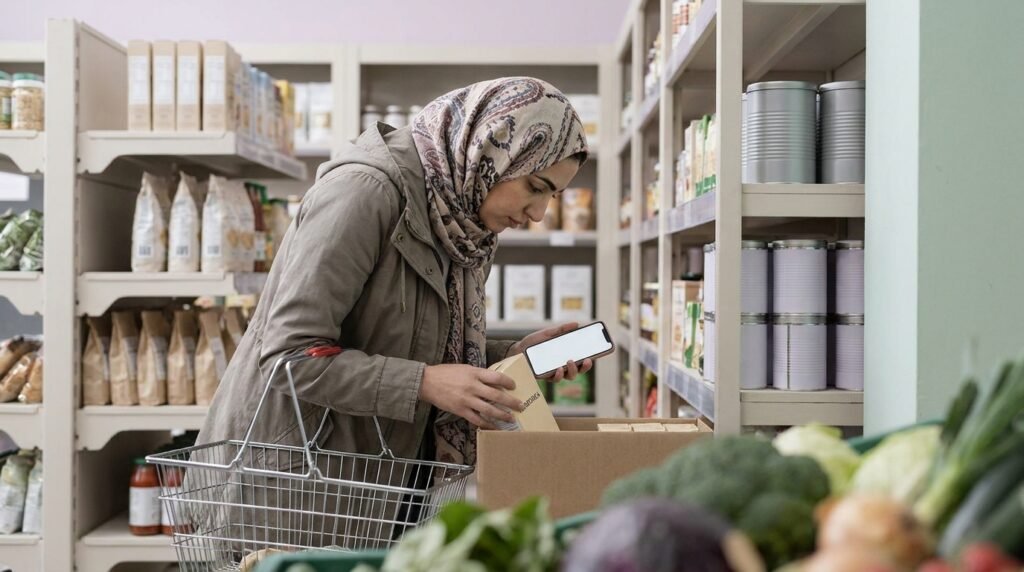
1. Why a Simple Pantry Staple Still Causes Celiac Confusion
Corn starch = corn endosperm only, so pure corn starch is gluten free by nature. Corn contains zein, not the gluten proteins found in wheat, barley, and rye. The real question for celiac disease is whether the box in your hand was made, packed, or blended in a way that introduces gluten. That is a different question from whether corn starch is gluten free as an ingredient.
If you live with celiac disease, you know how tiring this is. You have probably stood in a store holding a familiar product and wondered whether a manufacturing change, a new facility, or a vague phrase like "modified food starch" has made it unsafe. Many people with celiac disease describe this constant label-checking as a real mental load on top of the physical symptoms. That frustration is reasonable, and it is not overcaution. Even tiny, repeated exposures can matter for people with celiac disease.
The clinical context explains why. In celiac disease, gluten triggers an autoimmune response that damages the small intestine, and the only treatment is strict, lifelong avoidance. The Celiac Disease Foundation Threshold Requirements reflect the widely used standard that foods labeled gluten-free contain fewer than 20 parts per million of gluten. Plain corn starch can easily meet that standard. But corn starch is also milled, packed, and shipped in a food system where wheat flour is everywhere.
Many people with celiac disease also lean on packaged gluten-free foods that contain corn starch as a binder or thickener. Research on diet quality, including PubMed Research on Ultra-Processed Foods & Gut Microbiome Disruption, is a useful reminder that a gluten-free label addresses safety from gluten, not overall nutritional quality. Both matter. This guide covers the safety side first: what to verify, where gluten can sneak in, and how to check quickly without second-guessing every purchase.
Scan Any Label for Hidden Additives and Allergens — Free
Never second-guess confusing grocery labels again. Download Food Scan Genius to uncover hidden additives, toxic dyes, and allergens for the whole household before you buy.


2. Where Gluten Can Hide Around Corn Starch
Corn starch itself is not the hazard. The risks sit around it: the processing environment, the blends it goes into, and the way ingredients are named on labels. Here are the situations that most often catch celiac shoppers off guard when they ask whether corn starch is gluten free.
- Cross-contact in shared facilities: Corn starch milled or packaged on lines that also handle wheat can pick up gluten. Without a gluten-free label or a clear manufacturer statement, you cannot assume it is below 20 ppm.
- Bulk bins and repackaged starch: Scoops, open bins, and repackaged bulk products raise the odds of cross-contact. Sealed, labeled packaging is more reliable.
- "Modified food starch" and unnamed starches: Modified starch can come from corn, potato, tapioca, or wheat. In the United States, wheat must be declared under allergen labeling rules, but the wording varies. Check for a "Contains: Wheat" statement or a gluten-free claim.
- Wheat starch mistaken for corn starch: Wheat starch is a different ingredient. Some wheat starch is processed to very low gluten levels and sold in specialty products, but it is not equivalent to corn starch, and some people with celiac disease avoid it. In the EU, European Food Safety Authority (EFSA) Additive Safety Regulations cover additives and food ingredients, and allergen labeling is a separate rule set, so read both.
- Blended products containing corn starch: Baking powder, powdered sugar, seasoning mixes, gravy mixes, and coating blends often contain corn starch as an anti-caking agent or filler. The corn starch may be fine while another component or the facility is not.
- Corn sensitivity versus gluten: Some people with celiac disease report symptoms after eating corn. Corn is not gluten, and the research on this is limited and debated. If you suspect it, discuss it with your gastroenterologist or dietitian rather than treating it as a gluten problem.
The practical rule is this: pure corn starch is gluten free as an ingredient, but a product is only as safe as its handling and labeling. Look for a certified or clearly stated gluten-free claim, read the allergen statement, and treat unclear starch sources with caution. General dietary advice, such as the World Health Organization Guidelines on Healthy Diets & Saturated Fats, helps you decide what to eat once you know a food is safe. It does not replace gluten-specific checking.
3. Food Scan Genius vs. Other Ways to Check Corn Starch Products
| Dimension | Food Scan Genius | Fig | Spoonful | Manual Label Reading |
|---|---|---|---|---|
| Cost | 100% free core features, no paywalls | $59/year | Limited free scans | Free, but slow |
| Ingredient depth | NutriGraph: 5M+ verified barcodes, recursive sub-ingredient parsing | Ingredient-level matching | Ingredient-level matching | Depends on your own reading |
| Dietary profiles | 39 profiles plus custom sensitivities | Fewer preset profiles | Fewer preset profiles | Whatever you remember |
| Family screening | Multi-household profiles, one scan, named results like "Fails for Sri (Gluten)" | Not built around whole-household results | Not built around whole-household results | One person at a time |
| Languages | 11 languages with real-time in-app translation | Limited | Limited | You need to read the language yourself |
Checking whether corn starch is gluten free takes more than a keyword match. A product might list "corn starch" and also carry a wheat-derived component several layers down, such as a seasoning blend or a coating. Food Scan Genius is powered by the NutriGraph Database, with more than 5,000,000 verified UPC/EAN barcodes and recursive sub-ingredient parsing. It follows compound ingredients to their parts instead of stopping at the first line of the label. When you scan a product, you see whether gluten appears anywhere in the ingredient tree, not only on the surface.
ScanGenius AI Insight adds the context that a pass or fail cannot. It can explain that corn starch is a gluten-free ingredient while flagging an unspecified starch source or a cross-contact warning. It also shows NOVA 1-4 classification and Nutri-Score, so you can see how processed the food is without a simplistic moral score. If you also avoid corn, seed oils, or a specific dye, you can add your own custom sensitivity. If you shop for a family, one scan can screen everyone and name who is affected, for example "Fails for Sri (Gluten)." Because the core features are free, you do not pay to check the foods your health depends on.
4. Related Food Safety & Dietary Guides
- Best Food Allergy Scanner App – Scan Food Labels Instantly — Food Allergy & Sensitivity Scanner Hub
- The 7 Best Free Food Scanner Apps of 2026 — best free food scanner apps
- Choosing the Best Barcode Scan App for Your Health — guide to choosing a barcode scanner app
- Food Scan Genius: World’s #1 Food Ingredient Scanner App — Food Scan Genius scanner app
5. Scientific & Health Authority References
- Celiac Disease Foundation Threshold Requirements
- European Food Safety Authority (EFSA) Additive Safety Regulations
- PubMed Research on Ultra-Processed Foods & Gut Microbiome Disruption
- World Health Organization Guidelines on Healthy Diets & Saturated Fats
6. How to Scan in 3 Simple Steps
- Download Food Scan Genius free on iOS or Android. There is no paywall on core scanning, and you can choose from 11 languages with real-time in-app translation.
- Set up your profile: choose the Celiac / Gluten-Free profile from the 39 supported dietary profiles. Add a custom sensitivity if you also react to corn or avoid certain additives, and add family members to your multi-household profile.
- Scan the barcode of any product containing corn starch. In about two seconds, you get an audit trail showing each ingredient, any gluten flags, named results for each family member, and ScanGenius AI Insight with NOVA and Nutri-Score context.
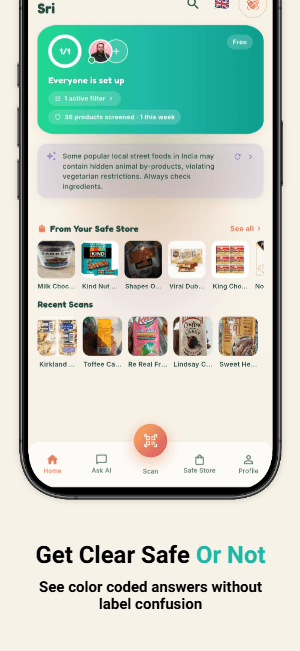
Instant Gluten-Free Audit Trail
7. Frequently Asked Questions (FAQ)
Is corn starch gluten free for people with celiac disease?
Yes. Pure corn starch is naturally gluten free because corn does not contain the gluten proteins found in wheat, barley, and rye. The remaining risk is cross-contact during milling or packaging, so choose products labeled gluten-free (under 20 ppm). Food Scan Genius checks the full ingredient tree and flags gluten in any sub-ingredient, so you can confirm a specific product.
Is corn starch the same as modified food starch?
No. Corn starch is one specific ingredient. Modified food starch is a category that can come from corn, potato, tapioca, or wheat. In the US, wheat-derived starch must be declared as an allergen, but you should still check the allergen statement and any gluten-free claim. Food Scan Genius surfaces modified starch entries and explains what they could mean for your profile.
Can corn starch cause a reaction even though it has no gluten?
It can, for two reasons. The first is cross-contact with wheat during processing. The second is that some people with celiac disease report separate sensitivity to corn. That is not a gluten reaction and is not well established in research, so discuss it with your care team. In Food Scan Genius you can add corn as a custom sensitivity and get named flags for it.
Is wheat starch safe if corn starch is gluten free?
No, they are different. Wheat starch comes from wheat and may be processed to very low gluten levels, but it is not equivalent to corn starch, and some people with celiac disease avoid it. Only choose it if the product is clearly labeled gluten-free and your doctor agrees. Food Scan Genius distinguishes wheat starch from corn starch when it audits a barcode.
Know What’s In Your Food Before You Buy — Scan Free Today
Never second-guess confusing grocery labels again. Download Food Scan Genius to uncover hidden additives, toxic dyes, and allergens for the whole household before you buy.