Is Pepsi FODMAP-Friendly? A Comprehensive Guide for Gut Health and IBS Management
Navigating the grocery aisles while managing a gastrointestinal condition like Irritable Bowel Syndrome (IBS) can feel like walking through a minefield. Whether you are shopping for a quick weeknight dinner, selecting snacks, or simply grabbing a refreshing beverage on a hot afternoon, understanding what goes into your body is essential. Modern food manufacturing relies heavily on complex ingredient formulations, and deciphering labels requires acute attention to detail. For millions of people worldwide who adhere to a low-FODMAP elimination diet to keep bloating, abdominal pain, and irregular bowel habits at bay, even everyday items like carbonated soft drinks spark heavy scrutiny.
Consider the classic question that plagues soda lovers: Is Pepsi FODMAP-friendly? The answer is not a simple yes or no. It depends entirely on the specific formulation you choose—regular, diet, or zero sugar—as well as how your unique digestive tract reacts to carbonation and non-nutritive sweeteners. When generalized across the broader landscape of consumer goods, this scenario highlights a massive challenge: manufacturers frequently alter formulations, and hidden additives can disrupt even the most carefully planned dietary regimen. By exploring the chemical composition of Pepsi, examining scientific data regarding gut irritants, and leveraging smart tools like Food Scan Genius, you can reclaim confidence during every trip to the supermarket.
Understanding FODMAPs and Carbonated Beverages
FODMAP is an acronym that stands for Fermentable Oligosaccharides, Disaccharides, Monosaccharides, and Polyols. These are short-chain carbohydrates and sugar alcohols that are poorly absorbed in the small intestine of certain individuals. Once they reach the colon, they are rapidly fermented by gut bacteria, producing excess gas, drawing water into the lumen, and triggering classic IBS symptoms such as cramping, distension, and flatulence.
According to nutritional guidelines established by research bodies like Monash University, evaluating manufactured drinks requires looking at two distinct elements: the sweetener base and the physical carbonation. While carbonation itself does not contain chemical FODMAPs, the bubbles can cause luminal distension and mimic bloating symptoms in hypersensitive individuals. Therefore, determining whether a drink is safe involves looking beyond basic chemistry to evaluate real-world physiological responses.
Is Regular Pepsi FODMAP-Friendly?
Regular Pepsi is sweetened primarily with high-fructose corn syrup (HFCS) or cane sugar, depending on the geographic region of manufacture. Regular Pepsi is generally considered high FODMAP or, at best, a beverage to handle with extreme caution if you suffer from fructose malabsorption.
- High-Fructose Corn Syrup (HFCS): HFCS contains an excess of free fructose over glucose. When fructose intake outpaces the capacity of intestinal transport proteins, unabsorbed fructose travels to the colon for bacterial fermentation.
- Serving Sizes: While a small sip might not cause acute distress, a standard 12-ounce or 20-ounce bottle delivers a high load of liquid fructose, making it a common trigger for IBS flare-ups.
Clinical data published by institutions such as Johns Hopkins Medicine explicitly advise individuals managing functional gastrointestinal disorders to limit products containing high-fructose corn syrup and carbonated soft drinks to prevent exacerbating visceral hypersensitivity.
Are Diet Pepsi and Pepsi Zero Sugar FODMAP-Friendly?
For those transitioning away from high-fructose options, diet and zero-sugar variants offer a different chemical profile. In many regions, Diet Pepsi and Pepsi Max (or Pepsi Zero Sugar) utilize artificial sweeteners such as aspartame and acesulfame potassium (Ace-K).
| Pepsi Variant | Primary Sweetener | FODMAP Status | Key Considerations |
|---|---|---|---|
| Regular Pepsi | High-Fructose Corn Syrup / Sugar | High FODMAP | Contains excess free fructose; triggers osmotic load and gas. |
| Diet Pepsi / Pepsi Zero | Aspartame / Ace-K | Low FODMAP (Generally Safe) | Free of high-fructose syrups and polyols; however, carbonation may still cause bloating. |
As noted by clinical nutrition experts and dietetic resources like Ignite Nutrition, alternative sweeteners like aspartame and sucralose are classified as low FODMAP because they do not consist of fermentable short-chain carbohydrates. Consequently, a standard serving of Diet Pepsi or Pepsi Zero Sugar is usually well-tolerated on a low FODMAP diet, provided the consumer does not react poorly to carbonation or artificial additives.
The Polyol Warning: What to Watch Out For
Not all diet sodas are created equal. While Pepsi formulations in major markets lean toward aspartame, other beverage brands occasionally incorporate sugar alcohols—such as sorbitol, xylitol, mannitol, or maltitol—as sweetening agents. Polyols are explicitly classified as high FODMAP. Always check the ingredient label to ensure a “diet” designation has not hidden polyols inside the product matrix.
Frequently Asked Questions (FAQ)
Does carbonation affect FODMAP tolerance?
Carbonation itself does not contain FODMAPs, meaning it will not add chemical fermentable sugars to your digestive tract. However, the dissolved carbon dioxide gas can expand in the stomach and upper GI tract, leading to burping, bloating, and discomfort in individuals with visceral hypersensitivity.
Is Pepsi Max safe for IBS sufferers?
In most regions, Pepsi Max uses a blend of aspartame and acesulfame potassium, making it chemically low in FODMAPs. Clinical dietitians frequently list it as an acceptable beverage alternative during the elimination phase, provided individual carbonation tolerance allows it.
How can I check if a new beverage formulation is safe?
Formulations can change without warning. Utilizing digital label-reading assistants and barcode scanners helps cross-reference ingredient decks against up-to-date nutritional databases instantly.
The Broader Issue: Navigating Hidden Ingredients in Modern Foods
The confusion surrounding a simple beverage like Pepsi points to a much larger systemic challenge in modern nutrition: hidden ingredients and shifting formulations. Consumers today face an overwhelming array of packaged foods laden with modified starches, natural flavors, chicory root extract (inulin), and concentrated fruit juices that slip past casual inspection.
Recent investigations into consumer packaged goods highlight that a significant percentage of items marketed as “healthy,” “gluten-free,” or “lactose-free” still harbor hidden high-FODMAP additives like garlic powder, onion powder, or isolated fructans. This creates persistent friction for individuals trying to manage chronic conditions like IBS, celiac disease, or non-celiac gluten sensitivity. Relying on static blog posts or outdated shopping lists is no longer enough; shoppers need dynamic, real-time verification tools to decode complex ingredient lists accurately at the point of purchase.
How Food Scan Genius Resolves Dietary Challenges
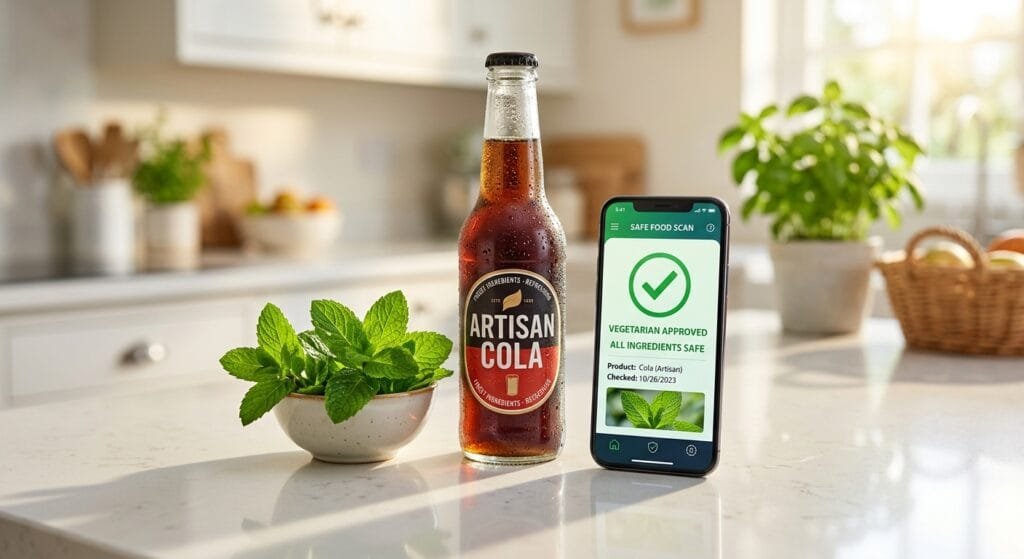
Overcoming the daily guesswork of grocery shopping requires technology that bridges the gap between complex food science and everyday life. This is where Food Scan Genius transforms the consumer experience. Designed for individuals with food sensitivities, allergies, and specific dietary patterns, the app empowers users to scan product barcodes instantly and receive clear, color-coded guidance on ingredient safety.
Instead of manually searching through fine-print ingredient labels for hidden polyols, high-fructose corn syrup, or derivative additives, Food Scan Genius analyzes the data against verified nutritional frameworks in seconds. It removes the anxiety from label reading and ensures that you can make informed decisions whether you are buying beverages, sauces, or packaged snacks.
User Testimonial
“Living with IBS made grocery shopping an absolute chore. I spent half my time in supermarket aisles googling obscure ingredient names and wondering if a ‘diet’ drink would trigger a flare-up. Since I started using Food Scan Genius, I just scan the barcode and get an immediate answer. It has completely taken the stress out of my meal planning and shopping routine.” — Sarah M., verified user.
If you are tired of second-guessing your grocery choices and want absolute clarity on what you consume, download Food Scan Genius today and take control of your digestive health with confidence.