
1. Why Soy Looks Safe for Celiacs but Often Isn’t in 2026
Is soy beans gluten free? Yes: plain soy beans = naturally gluten free, but soy sauce, some miso, tempeh and meat substitutes often add wheat or barley. That one equation explains almost every confusing moment celiac shoppers have in the soy aisle. The bean is safe. Much of what gets made from it is not.
If you have celiac disease, you know how tiring this is. You see edamame, tofu, soy milk and a “plant-based” burger and assume they are all fine because soy is not wheat. Then you turn the package over and find wheat flour in the marinade, barley malt in the milk, or a seasoning packet with soy sauce. It is reasonable to feel frustrated. Gluten hides in the processing steps that turn a simple bean into a shelf-stable product, and the front of the package rarely tells you about them.
The clinical stakes are real. For people with celiac disease, even small repeated exposures can trigger intestinal damage, whether or not you feel symptoms right away. Both the U.S. FDA and the EU define “gluten-free” as under 20 parts per million, and the Celiac Disease Foundation Threshold Requirements explain why that level is the accepted benchmark for safety. Plain soybeans have no inherent gluten. The risk comes from what is added to them or what they touch on the way to your plate.
There is also a broader nutrition question. Many gluten-free soy products, such as meat analogues, flavored soy snacks and sweetened soy drinks, are heavily processed. The World Health Organization Guidelines on Healthy Diets & Saturated Fats encourage legumes and whole foods as a dietary foundation. Whole soy fits that advice well, which is why it helps to separate soy as an ingredient from soy as a heavily formulated product.
Scan Any Label for Hidden Additives and Allergens — Free
Never second-guess confusing grocery labels again. Download Food Scan Genius to uncover hidden additives, toxic dyes, and allergens for the whole household before you buy.


2. Where Gluten Hides in Soy Foods: The Sneaky Ingredients and Loopholes
Soy is a legume, and legumes are not part of the gluten-containing grain family of wheat, barley and rye. Gluten gets into soy foods in predictable ways. Knowing them lets you shop with confidence instead of avoiding the whole category. Here are the main offenders celiacs should watch for:
- Traditional soy sauce: Most conventional soy sauce is brewed from roughly equal parts soybeans and roasted wheat. It is one of the most common hidden gluten sources, and it is also the base of teriyaki, hoisin, ponzu and many stir-fry sauces. Wheat-free tamari exists, but some tamari still contains wheat, so check each label.
- Miso and fermented pastes: Miso is fermented soybeans plus a grain starter, usually rice (kome), barley (mugi) or soy alone. Barley miso is not gluten free, and some products list only ‘koji’ without naming the grain.
- Tempeh and multigrain blends: Plain soybean tempeh is typically fine, but many brands ferment soy with barley, wheat or other grains for flavor and texture. Some use shared equipment with gluten grains.
- Soy-based meat substitutes: Veggie burgers, nuggets, deli slices and crumbles often combine textured soy protein with wheat gluten (seitan) as a binder. Others use ‘natural flavors’ or ‘hydrolyzed vegetable protein’, which can be derived from wheat.
- Flavored and marinated tofu, edamame and soy snacks: Plain tofu is usually fine, but baked, teriyaki or smoked varieties often use soy sauce. Seasoned roasted soybeans and frozen edamame meals can include sauce packets with wheat.
- Cross-contact in farming and processing: Soybeans are often rotated with wheat and may be harvested, stored or transported on shared equipment. Dry soybeans, soy flour and bulk soy ingredients may carry trace wheat. Products certified gluten free, or that follow documented testing, lower that risk.
Soy milk has its own quirks. Some brands add barley malt extract or oat bases, and oats are a risk unless they are certified gluten free. Natto, the Japanese fermented soybean dish, often comes with a tare sauce packet that contains wheat-based soy sauce, even when the beans themselves are safe.
Regulation is only a partial safety net. Labeling rules in the U.S. and EU require wheat to be declared as an allergen, but ‘gluten free’ claims are voluntary, and barley or rye derivatives are not always highlighted the same way. Food additives, flavorings and carriers are assessed under frameworks such as the European Food Safety Authority (EFSA) Additive Safety Regulations, but these focus on additive safety, not whether an ingredient is gluten free for celiacs.
Highly engineered soy products also tend to be ultra-processed. The PubMed Research on Ultra-Processed Foods & Gut Microbiome Disruption is a useful reminder that for people already managing gut health, a food can be gluten free and still be worth a closer look. Also note that a soy allergy is a separate condition from celiac disease. This guide covers gluten only.
3. Food Scan Genius vs. Manual Label Reading and Other Apps
| Dimension | Food Scan Genius | Manual Label Reading | Fig | Spoonful |
|---|---|---|---|---|
| Cost | 100% free core features, zero paywalls | Free, but costs time | $59/year | Limited scans |
| Sub-ingredient depth | Recursive parsing of nested ingredients (e.g. soy sauce inside a sauce inside a product) | Depends on your own knowledge | Ingredient-level screening | Ingredient-level screening |
| Dietary profiles | 39 profiles plus custom sensitivities | One at a time, from memory | Multiple preset profiles | Fewer profiles |
| Family screening | Whole household in one scan with named results, e.g. Fails for Sri (Gluten) | Re-read for each person | Varies by plan | Varies by plan |
| Languages and context | 11 languages with real-time translation, plus AI Insight, NOVA 1-4 and Nutri-Score | Requires reading the language on the package | Limited | Limited |
Soy is a good test of any food scanner because the gluten is rarely in the first line of the ingredient list. It sits inside a component, such as the soy sauce in a marinade or the ‘seasoning’ in a tofu product. Food Scan Genius runs on the NutriGraph Database, which holds more than 5,000,000 verified UPC/EAN barcodes and uses recursive sub-ingredient parsing to break compound ingredients into their parts. A scan reads past ‘sauce’ to the wheat inside it. You can also add a custom sensitivity for anything beyond the 39 built-in dietary profiles, such as barley malt or a specific additive.
The ScanGenius AI Insight adds context instead of a single good-or-bad score. For soy products it can explain why a tofu block is a minimally processed NOVA 1-2 style food, while a breaded soy nugget with isolates and flavorings sits in NOVA 4, and show the Nutri-Score next to the gluten result. This helps you judge whole soy against ultra-processed formulations without a moralizing grade. If you shop for a family, Multi-Household Profiles screen everyone at once and name who is affected, so a gluten-free dinner for one person doesn’t mean reading the label four times. Real-time translation in 11 languages also helps when you buy imported miso, tamari or natto with labels you can’t read.
4. Related Food Safety & Dietary Guides
- Best Food Allergy Scanner App – Scan Food Labels Instantly — Food Allergy & Sensitivity Scanner Hub
- The 7 Best Free Food Scanner Apps of 2026 — best free food scanner apps
- Choosing the Best Barcode Scan App for Your Health — guide to choosing a barcode scanner app
- Food Scan Genius: World’s #1 Food Ingredient Scanner App — Food Scan Genius scanner app
5. Scientific & Health Authority References
- Celiac Disease Foundation Threshold Requirements
- European Food Safety Authority (EFSA) Additive Safety Regulations
- PubMed Research on Ultra-Processed Foods & Gut Microbiome Disruption
- World Health Organization Guidelines on Healthy Diets & Saturated Fats
6. How to Scan in 3 Simple Steps
- Download Food Scan Genius free on iOS or Android. The core features have no paywall and no scan limits to worry about.
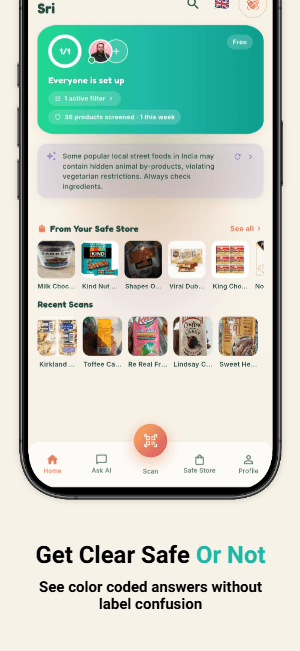
- Set up your profile for celiac disease or gluten-free eating, then add custom sensitivities such as barley malt, or create household profiles so each family member’s needs are screened by name.
- Scan the barcode of any soy product, including tofu, soy sauce, miso, tempeh or veggie burgers. In about two seconds you get a pass or fail result, the specific ingredient behind it, and an audit trail you can review, such as ‘Fails for Sri (Gluten)’.
Instant Gluten-Free Audit Trail
7. Frequently Asked Questions (FAQ)
Is soy beans gluten free, and is it safe for celiacs?
Yes. Plain soy beans are naturally gluten free because soy is a legume, not a gluten grain. The risk for celiacs comes from cross-contact during farming, storage and processing, and from added ingredients like wheat in soy sauce. Choose products labeled or certified gluten free, and scan them with Food Scan Genius to check sub-ingredients and your profile before buying.
Is soy sauce gluten free?
Usually not. Traditional soy sauce is brewed with soybeans and wheat, so it contains gluten. Tamari is often made with little or no wheat, but not always, so you need to read the label. Food Scan Genius flags wheat in soy sauce even when it is buried inside a marinade, dressing or frozen meal.
Are tofu, tempeh, edamame and miso gluten free?
Plain tofu and plain edamame are generally gluten free, though flavored versions may contain soy sauce. Tempeh can include barley or other grains, and miso made with barley is not safe for celiacs. Rice-based or soy-only miso may be fine if the product is certified gluten free. Scanning each barcode with Food Scan Genius shows which version you are holding.
Can I use Food Scan Genius to check soy foods for my whole family?
Yes. Multi-Household Family Profiles screen everyone in a single scan and name who is affected, for example ‘Fails for Sri (Gluten)’. With 39 dietary profiles and custom sensitivities, you can check a soy product for celiac needs alongside other family restrictions. The app works in 11 languages, and the core features are free.
Know What’s In Your Food Before You Buy — Scan Free Today
Never second-guess confusing grocery labels again. Download Food Scan Genius to uncover hidden additives, toxic dyes, and allergens for the whole household before you buy.