1. Why Choosing Keto Friendly Cheese Is Harder Than It Looks in 2026
Cheese feels like the one food you can trust on a ketogenic diet. It is rich, satisfying, and naturally low in carbohydrate. So it is frustrating, and a little humbling, when you stall for weeks and finally trace the problem to a bag of shredded cheddar or a tub of ‘light’ cream cheese. If that has happened to you, it is not a failure of willpower. The cheese aisle has changed, and many products now look like cheese without behaving like it nutritionally.
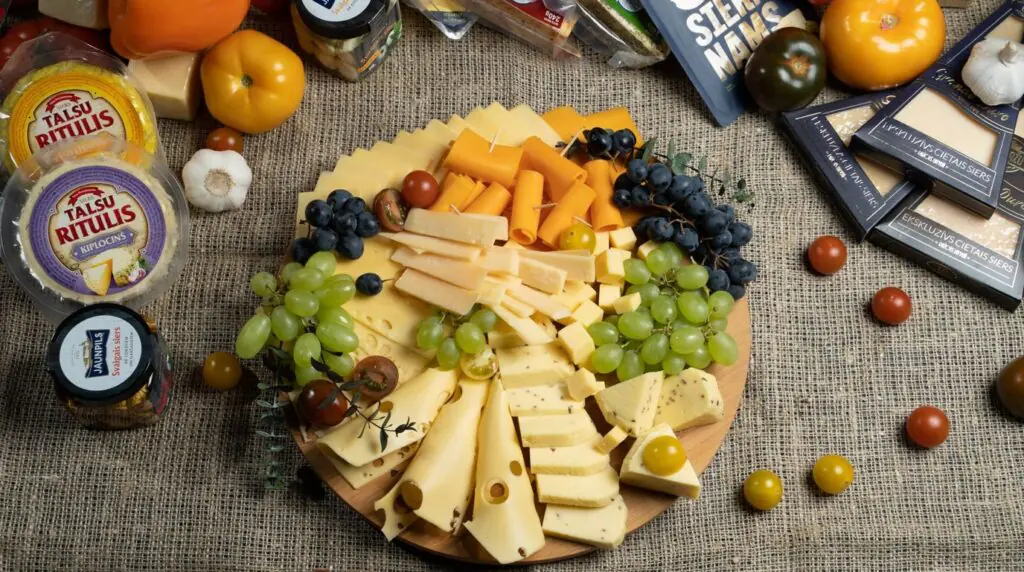
The distinction that matters is between traditional, naturally made cheese and cheese-based products. Aged cheddar, Parmesan, Swiss, Gouda, Brie, Camembert, goat cheese, and blue cheese typically contain well under one gram of carbohydrate per ounce, because most of the milk sugar (lactose) is removed with the whey or consumed during aging. Slices, sprays, spreads, sauces, cheese crisps, and ‘reduced-fat’ blocks are a different story. They often contain added starches, sweeteners, milk solids, and emulsifying salts that raise net carbs and move the product into ultra-processed territory. Published PubMed Research on Ultra-Processed Foods & Gut Microbiome Disruption is one reason many clinicians encourage patients to look at how heavily a food is processed, not just at its macros.
There is also a broader nutrition conversation. Cheese is a significant source of saturated fat, and the World Health Organization Guidelines on Healthy Diets & Saturated Fats recommend keeping saturated fat below 10% of total energy intake. People on keto, particularly those with elevated LDL cholesterol, a family history of heart disease, or other conditions, should discuss portions and cheese choices with their physician or dietitian. A good cheese strategy is not just ‘low carb.’ It is personalized.
Finally, cheese is a labeling minefield for people managing more than carbs. Milk is a major allergen, many households include someone avoiding gluten or seed oils, and imported cheeses can list additives you may not recognize. The goal of this guide is to help you buy with confidence, not anxiety, and to show you how to verify any cheese in seconds.
Scan Any Label for Hidden Additives and Allergens — Free
Never second-guess confusing grocery labels again. Download Food Scan Genius to uncover hidden additives, toxic dyes, and allergens for the whole household before you buy.


2. Sneaky Ingredients That Undermine Keto Friendly Cheese
Reading a cheese label is less about the front-of-pack claims (‘real cheese,’ ‘low carb,’ ‘made with natural ingredients’) and more about the ingredient list and nutrition panel. Here are the most common problem areas, along with the cheeses that generally pass the test.
- Anti-caking starches in pre-shredded cheese: Potato starch, cornstarch, and cellulose keep shreds from clumping. The amounts are small, but they can add a gram or more of carbohydrate per serving and are unnecessary if you shred a block yourself.
- Modified food starch and maltodextrin in sauces, spreads, and slices: These thicken and smooth processed cheese products. Maltodextrin in particular can raise blood glucose quickly, even though it rarely appears prominently on the front of the package.
- Added sugars in flavored cream cheese and spreads: Fruit, honey, or ‘garden’ varieties often include sugar, dextrose, or corn syrup solids. Plain cream cheese, mascarpone, and plain goat cheese are far safer choices.
- Skim milk, whey, and milk protein concentrates: These additions in processed cheese can bring lactose back into the product. Cottage cheese and ricotta also contain more carbohydrate per serving than aged cheeses, so portion size matters.
- Emulsifying salts and gums in ‘fat-free’ or ‘reduced-fat’ cheese: Sodium phosphates, carrageenan, and various gums replace the texture that fat normally provides. Regulators evaluate these additives, and the European Food Safety Authority (EFSA) Additive Safety Regulations are a useful reference if you buy imported cheese or want to understand how additives are reassessed. Whether to avoid them is a personal decision, but they are rarely necessary on keto, where full-fat cheese is the point.
- Allergen and cross-contact gaps: Under the FDA Food Allergen Labeling & Consumer Protection Act (FALCPA), milk must be declared clearly. However, cheese snacks, breaded cheese sticks, and seasoned cheese crisps may contain wheat or other ingredients that matter to households avoiding gluten or following a strict keto plan.
As a rule of thumb, the best keto friendly cheese choices are simple: a block of aged cheddar, Parmesan, Gruyère, Swiss, Gouda, Manchego, or Brie, ideally with an ingredient list of milk, cultures, salt, and enzymes. Whole-milk mozzarella, feta, and blue cheese also fit well. Check the label on anything shredded, sliced, spreadable, flavored, or labeled ‘light.’
3. Food Scan Genius vs. Other Ways to Check Cheese Labels
| Dimension | Food Scan Genius | Fig | Spoonful | Manual Label Reading |
|---|---|---|---|---|
| Cost | 100% free core features, zero paywalls | $59/yr | Limited scans | Free, but time-consuming |
| Database depth | NutriGraph: 5,000,000+ verified UPC/EAN barcodes with recursive sub-ingredient parsing | Varies by product | Varies by product | Only what you notice on the label |
| Diet customization | 39 dietary profiles plus custom sensitivities (starches, seed oils, dyes, additives) | Predefined profiles | Predefined profiles | Entirely from memory |
| Family screening | Multi-household profiles in one scan, with named fail attribution | Limited to individual setups | Limited to individual setups | One person at a time |
| Languages and context | 11 languages with real-time translation, NOVA 1-4, Nutri-Score, AI Insight | Primarily allergen-focused | Primarily allergen-focused | Depends on your language skills |
Cheese is deceptively difficult to audit by eye. A ‘cheese sauce’ may list a dozen ingredients, and some of those ingredients (such as a seasoning blend or a cultured dairy ingredient) have their own sub-ingredients. Food Scan Genius uses the NutriGraph Database, built on more than five million verified UPC/EAN barcodes, and parses every layer of the ingredient list recursively. So if a starch is hiding inside a flavoring, or a sweetener inside a spread, it is flagged. You can set the keto profile, add a custom sensitivity such as potato starch, maltodextrin, or seed oils, and see exactly why a product passes or fails.
Just as important is how the information is presented. The ScanGenius AI Insight gives nuanced context rather than a simplistic good-or-bad score. It tells you, for example, that a Parmesan wedge is a minimally processed NOVA 1-2 food with a short ingredient list, while a shelf-stable cheese dip is NOVA 4 with thickeners. Nutri-Score sits alongside that context so you can weigh saturated fat and sodium as part of your own plan. In a multi-household profile, one scan might read ‘Fails for Sri (Gluten)’ while passing for everyone else, and the app works in 11 languages, which helps when you shop for imported cheeses.
4. Related Food Safety & Dietary Guides
- Best Food Allergy Scanner App – Scan Food Labels Instantly — Food Allergy & Sensitivity Scanner Hub
- The 7 Best Free Food Scanner Apps of 2026 — best free food scanner apps
- Choosing the Best Barcode Scan App for Your Health — guide to choosing a barcode scanner app
- Food Scan Genius: World’s #1 Food Ingredient Scanner App — Food Scan Genius scanner app
5. Scientific & Health Authority References
- FDA Food Allergen Labeling & Consumer Protection Act (FALCPA)
- European Food Safety Authority (EFSA) Additive Safety Regulations
- PubMed Research on Ultra-Processed Foods & Gut Microbiome Disruption
- World Health Organization Guidelines on Healthy Diets & Saturated Fats
6. How to Scan in 3 Simple Steps
- Download Food Scan Genius free on iOS or Android. There is no paywall on the core features, and you do not need a subscription to start scanning cheese.
- Set up your profile for keto by selecting your dietary profile from the 39 available options. Then add custom sensitivities such as potato starch, maltodextrin, added sugars, seed oils, or specific additives. Add family members if you shop for a household with different needs.
- Scan the cheese barcode and get a result in about two seconds, with an audit trail that shows each flagged ingredient, the NOVA 1-4 classification, the Nutri-Score, and the ScanGenius AI Insight explaining why it passed or failed.
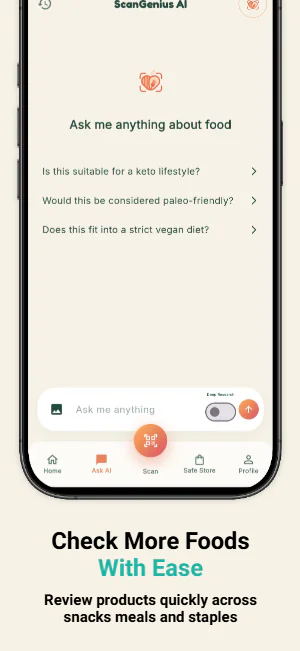
Instant Keto & Sugar Audit Trail
7. Frequently Asked Questions (FAQ)
What are the best keto friendly cheese options to buy?
Natural, aged, and full-fat cheeses are usually the safest picks: cheddar, Parmesan, Gruyère, Swiss, Gouda, Manchego, Brie, Camembert, goat cheese, feta, blue cheese, whole-milk mozzarella, cream cheese, and mascarpone. These generally contain well under one gram of carbohydrate per ounce. You can scan any specific brand with Food Scan Genius to confirm there are no added starches or sugars.
Is pre-shredded cheese keto friendly?
Often yes, but not always. Many pre-shredded cheeses use potato starch, cornstarch, or cellulose to prevent clumping, and the starches can add small amounts of carbohydrate. If you eat a lot of cheese, those grams add up. Scanning the bag with Food Scan Genius shows whether starches are present, and a custom sensitivity can flag them automatically. Shredding a block at home avoids the issue.
Are cottage cheese, ricotta, and processed cheese slices okay on keto?
They can fit, but they need more attention. Cottage cheese and ricotta contain more lactose per serving than aged cheeses, so portion size matters. Processed slices and spreads can include milk solids, starches, and emulsifying salts. Food Scan Genius evaluates each product’s ingredients and NOVA classification so you can see the actual formulation instead of relying on the ‘cheese’ name.
Does Food Scan Genius cost money to check keto friendly cheese?
No. The core features are 100% free with zero paywalls, including keto profile checks, custom sensitivities, NOVA 1-4 classification, Nutri-Score, and ScanGenius AI Insight. That compares with Fig’s $59 per year and Spoonful’s limited scans. You can also create family profiles and use the app in 11 languages at no charge.
Know What’s In Your Food Before You Buy — Scan Free Today
Never second-guess confusing grocery labels again. Download Food Scan Genius to uncover hidden additives, toxic dyes, and allergens for the whole household before you buy.
Photo by Vilnis Husko on Pexels