
1. Why Checking Whether Orzo Is Gluten Free Is So Confusing in 2026
If you have ever stood in the pasta aisle holding a box of rice-shaped noodles and wondering whether it is safe, you are not alone. Orzo looks like rice, cooks like rice, and is often tossed into dishes where it blends in: Greek salads, lemony chicken soups, baked pilafs, stuffed peppers. That resemblance is the root of the problem. Many shoppers assume it is a grain or a rice product, when the traditional version is pasta made from durum wheat semolina. Wheat contains gluten, so conventional orzo is not safe for anyone with celiac disease, non-celiac gluten sensitivity, or a wheat allergy.
The frustration is real, and it is more than an inconvenience. For someone with celiac disease, even small, repeated exposures can trigger intestinal damage, whether or not obvious symptoms appear. Parents cooking for a newly diagnosed child, partners sharing a kitchen, and people who have been burned by a mislabeled product all know the anxiety of reading a label twice and still feeling unsure. That worry is reasonable, not excessive.
The good news is that orzo is gluten free when it is made from different ingredients, such as rice, corn, chickpeas, or lentils, and produced under suitable controls. Several brands now make these products. In the United States, a product labeled gluten free must contain less than 20 parts per million (ppm) of gluten, a standard explained in the Celiac Disease Foundation Threshold Requirements resources. The harder part is confirming that the specific box in your hand meets that standard, since packaging, recipes, and facilities change.
Complicating matters further, a growing share of pasta alternatives are ultra-processed, with long ingredient lists of starches, gums, and flavorings. Researchers continue to study this category, and the PubMed Research on Ultra-Processed Foods & Gut Microbiome Disruption is a useful starting point for understanding why many people want to look at the whole ingredient picture, not just the gluten line. Staying gluten free should not mean giving up clarity about everything else in your food.
Scan Any Label for Hidden Additives and Allergens — Free
Never second-guess confusing grocery labels again. Download Food Scan Genius to uncover hidden additives, toxic dyes, and allergens for the whole household before you buy.


2. Sneaky Reasons a Product Called Orzo May Not Be Gluten Free
Knowing whether orzo is gluten free means looking past the name on the front of the package. Here are the most common traps that catch careful shoppers:
- Durum wheat and semolina as the default. Unless the package says otherwise, orzo is made from semolina or durum wheat flour. Terms like ‘pasta,’ ‘risoni,’ or ‘Mediterranean rice-shaped pasta’ do not signal that a product is gluten free.
- ‘Rice-shaped’ wording. Phrases like ‘rice-style pasta’ describe the shape, not the ingredients. Many of these products are still 100% wheat.
- Cross-contact in shared facilities. A gluten-free orzo made from corn or rice can still pick up gluten if it is processed on lines shared with wheat pasta. Look for a gluten-free label or certification seal and check any ‘may contain wheat’ statement.
- Blends and mixes. Boxed orzo pilafs, soup kits, and salad mixes often include seasoning packets or sauces thickened with wheat flour, hydrolyzed wheat protein, or malt-based ingredients, even when a gluten-free grain is part of the recipe.
- Vague ‘natural flavors’ and additives. Flavorings, stabilizers, and processing aids sometimes carry gluten-containing carriers. Additive rules vary by region, and the European Food Safety Authority (EFSA) Additive Safety Regulations show how differently authorities evaluate these ingredients, so it helps to check imported products carefully.
- Restaurant and deli preparation. Orzo salads at delis or restaurants may use wheat-based orzo, share cooking water with regular pasta, or include dressings and broths with hidden wheat. Packaged products at least give you a barcode and a label to verify.
Allergen labeling laws help but have limits. In the US, wheat must be declared as an allergen, yet barley and rye derivatives are not covered by the same rule, which is why a clear gluten-free claim matters. It also helps to keep the bigger nutrition picture in view, such as the guidance in the World Health Organization Guidelines on Healthy Diets & Saturated Fats, because some gluten-free pasta dishes are prepared with heavy creamy sauces or large amounts of added fat.
3. Food Scan Genius vs. Other Ways to Check Orzo
| Dimension | Food Scan Genius | Manual Label Reading | Fig | Spoonful |
|---|---|---|---|---|
| Cost | 100% free core features, zero paywalls | Free, but time-consuming | $59/yr | Limited scans |
| Database and Ingredient Depth | NutriGraph: 5,000,000+ verified UPC/EAN barcodes with recursive sub-ingredient parsing | Only what you can read and recognize | Barcode-based lookup | Barcode-based lookup |
| Dietary Profiles | 39 profiles plus custom sensitivities (seed oils, dyes, additives) | Whatever you remember | Predefined profiles | Predefined profiles |
| Family Screening | Multi-household profiles in 1 scan, with named results like ‘Fails for Sri (Gluten)’ | Check each label for each person | Varies by plan | Varies by plan |
| Language Support | 11 global languages with real-time in-app translation | Only the language printed on the box | Limited | Limited |
The main technological advantage is depth. Orzo-style products and mixes often list compound ingredients such as seasoning blends, sauces, or flavor systems that contain their own hidden components. The NutriGraph Database uses recursive AST parsing to break those ingredients down level by level, so a wheat-derived item buried inside a sub-ingredient can still be flagged. Because the database covers more than 5,000,000 verified UPC and EAN barcodes, a scan takes about two seconds, and you can build a profile for celiac disease, wheat allergy, or any of 39 dietary profiles. You can also add a custom sensitivity if you want to avoid seed oils, certain dyes, or specific additives alongside gluten.
Beyond a pass or fail result, ScanGenius AI Insight adds nuanced context, such as why an ingredient was flagged and whether a product is a plain rice orzo or a heavily seasoned mix. It also shows NOVA 1-4 classification and Nutri-Score so you can see how processed a product is, without reducing food to a simplistic moral score. If you cook for a household with different needs, multi-household family profiles screen everyone in one scan and name who is affected. This makes a clear difference for a family where one person needs gluten-free orzo and others do not. With 11 supported languages and real-time translation, imported products are easier to understand too. Food Scan Genius is a tool to support your decisions. For celiac disease or severe allergy, always follow your care team’s advice and check the actual package.
4. Related Food Safety & Dietary Guides
- Best Food Allergy Scanner App – Scan Food Labels Instantly — Food Allergy & Sensitivity Scanner Hub
- The 7 Best Free Food Scanner Apps of 2026 — best free food scanner apps
- Choosing the Best Barcode Scan App for Your Health — guide to choosing a barcode scanner app
- Food Scan Genius: World’s #1 Food Ingredient Scanner App — Food Scan Genius scanner app
5. Scientific & Health Authority References
- Celiac Disease Foundation Threshold Requirements
- European Food Safety Authority (EFSA) Additive Safety Regulations
- PubMed Research on Ultra-Processed Foods & Gut Microbiome Disruption
- World Health Organization Guidelines on Healthy Diets & Saturated Fats
6. How to Scan in 3 Simple Steps
- Download Food Scan Genius free on iOS or Android. The core features have no paywall, so you can start checking orzo right away.
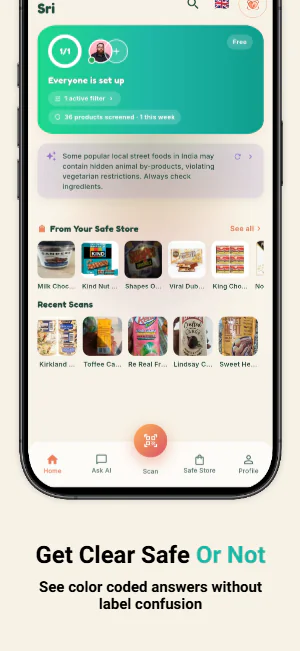
- Set up your profile for gluten-free eating by choosing Celiac or Gluten-Free from the 39 dietary profiles, then add any custom sensitivities (such as seed oils or specific additives) and family members, so one scan screens the whole household.
- Scan the orzo barcode and get a result in about two seconds, with an audit trail showing exactly which ingredient or sub-ingredient triggered a flag, plus AI Insight, NOVA classification, and Nutri-Score.
Instant Gluten-Free Audit Trail
7. Frequently Asked Questions (FAQ)
Is orzo gluten free?
Traditional orzo is not gluten free, because it is made from durum wheat semolina. However, orzo is gluten free when it is made from ingredients like rice, corn, chickpeas, or lentils and labeled accordingly. Scan the barcode with Food Scan Genius to check the specific product against your gluten-free profile.
How can I tell if a box of orzo is gluten free before buying it?
Check for a clear gluten-free label or certification seal, read the ingredient list for wheat, semolina, or durum, and review any ‘may contain’ or shared-facility statements. Food Scan Genius speeds this up: its NutriGraph Database parses sub-ingredients and shows which ingredient caused a fail, so you are not relying on a quick glance at the package.
Can gluten free orzo still cause problems for people with celiac disease?
It can if it picks up gluten through cross-contact during manufacturing, or if it is part of a mix containing seasonings or sauces with wheat. In the US, products labeled gluten free must contain less than 20 ppm of gluten. If you are highly sensitive, look for certified products and talk to your healthcare provider about what level of caution is right for you.
Can Food Scan Genius check orzo for my whole family at once?
Yes. With multi-household family profiles, one scan screens every person you have added and names who is affected, for example ‘Fails for Sri (Gluten)’. This is useful when only one family member needs gluten-free orzo. The core features are free with no paywall, and the app supports 11 languages with real-time translation.
Know What’s In Your Food Before You Buy — Scan Free Today
Never second-guess confusing grocery labels again. Download Food Scan Genius to uncover hidden additives, toxic dyes, and allergens for the whole household before you buy.