1. Why Finding a Safe Gluten Free Tortilla Is Harder Than It Should Be in 2026
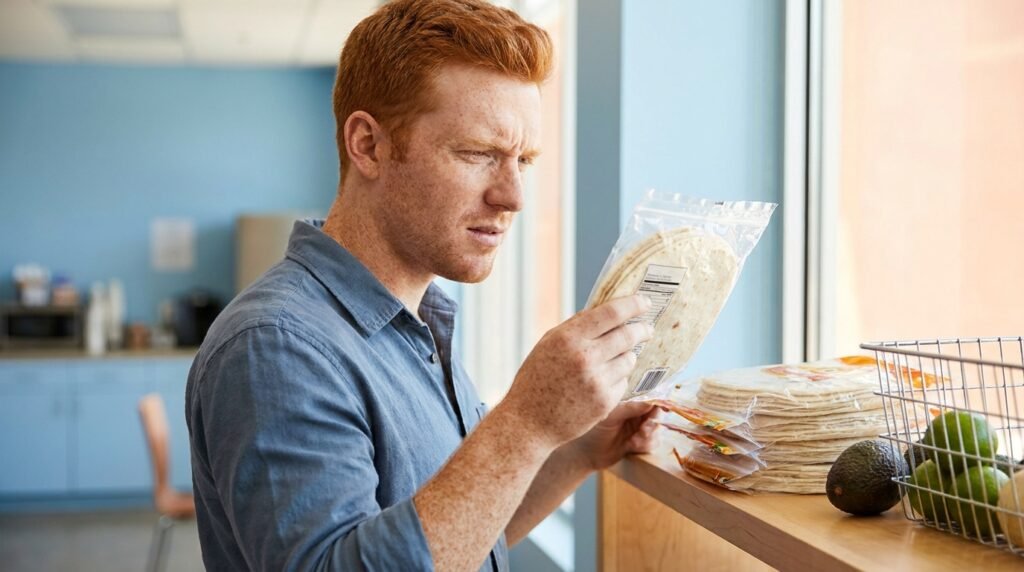
You know the moment. You are standing in the tortilla aisle with a hungry family and a phone at 14% battery, turning a package over to read a tiny ingredient panel. The front says ‘gluten free,’ ‘ancient grains,’ or ‘made with corn.’ The back lists fourteen ingredients, three of them vague. If you have celiac disease, non-celiac gluten sensitivity, or a child with a wheat allergy, a taco night can feel like a risk assessment. That frustration is valid, and you are not being overly cautious.
A tortilla is a hard product to get right. Wheat flour tortillas get their pliability from gluten, which is the very protein you are avoiding. A good gluten free tortilla has to rebuild that stretch with starches, gums, fibers, and fats. That is why so many options crack, taste chalky, or fall apart at the first fold. The ingredient lists often grow longer and more processed as manufacturers chase texture. Taste and safety can feel like a tradeoff, but they do not have to be.
The clinical stakes are real. For people with celiac disease, repeated low-level exposure can keep the immune response active even when symptoms are mild or absent. The Celiac Disease Foundation Threshold Requirements and related guidance explain why the widely used standard of under 20 parts per million of gluten matters, and why a strict gluten-free diet is the only established treatment. Many families also quietly worry about the long-term picture, since a diet built on highly refined gluten-free substitutes may not be the healthiest one. Emerging work such as PubMed Research on Ultra-Processed Foods & Gut Microbiome Disruption is a reminder that how a food is made matters alongside what it leaves out.
So the best gluten free tortilla for your household is not simply the one with a badge on the front. It is the one whose full ingredient list, sourcing, and certification hold up when you read past the marketing. It should also be one you will actually enjoy eating. Food Scan Genius was built to make that check fast, so a two-second scan replaces ten minutes of label anxiety. This guide is educational and does not replace advice from your physician or registered dietitian.
Scan Any Label for Hidden Additives and Allergens — Free
Never second-guess confusing grocery labels again. Download Food Scan Genius to uncover hidden additives, toxic dyes, and allergens for the whole household before you buy.


2. Sneaky Label Traps to Watch for on Any Gluten Free Tortilla
Most gluten problems with tortillas are not blatant. They sit in ingredient sub-lists, voluntary advisory statements, and regulatory gray areas. Gluten-free labeling rules also vary by country, so a product that is fine in one market may be labeled differently in another. Here are the traps we see most often when auditing this category:
- ‘Corn tortilla’ that is really a blend: Some corn-style tortillas and ‘street taco’ products add wheat flour for softness. The front of the package says corn, but the ingredient list tells the truth.
- Cross-contact in shared facilities: Naturally gluten-free corn, cassava, or rice tortillas can pick up gluten on shared lines with flour tortillas. Look for third-party gluten-free certification, not just the absence of wheat in the ingredient list.
- Wheat starch and ‘gluten-removed’ claims: In some regions, specially processed wheat starch can appear in products labeled gluten free. Many people with celiac disease tolerate it, but others prefer to avoid it. Barley-based ingredients that are ‘processed to remove gluten’ are a separate issue, because testing for gluten in those ingredients is unreliable.
- Non-certified oat flour or malt: Oats are frequently contaminated with wheat or barley during growing and milling. Malt flavoring or malt extract comes from barley and can hide in ‘natural flavor’ or dough conditioner blends.
- Vague starches, enzymes, and dough conditioners: ‘Modified food starch’ or ‘enzymes’ may be harmless, but their source is not always stated. In the US, wheat must be declared under allergen law, but your safest path is to confirm the source and certification.
- Additive stacking and refined fats: To mimic gluten, brands often combine multiple gums, emulsifiers, preservatives, and inexpensive seed oils. Additive rules differ globally, which is why reviewing the European Food Safety Authority (EFSA) Additive Safety Regulations can be useful context. Fat quality is worth a look too, and the World Health Organization Guidelines on Healthy Diets & Saturated Fats offers a sensible baseline for judging coconut-oil-heavy or palm-oil-heavy recipes.
Notice that only some of these are gluten issues. The rest are quality questions you may care about, such as gums, dyes, or seed oils, and these preferences are personal. A good tool should surface them without lecturing you.
3. Food Scan Genius vs. Other Ways to Vet a Gluten Free Tortilla
| Dimension | Food Scan Genius | Fig | Spoonful | Manual Label Reading |
|---|---|---|---|---|
| Cost | 100% free core features, zero paywalls | $59/year | Limited scans | Free, but costs time |
| Ingredient depth | NutriGraph Database with 5,000,000+ verified UPC/EAN barcodes and recursive sub-ingredient parsing | Ingredient-level screening | Ingredient-level screening | Depends on your expertise and the label’s detail |
| Diet customization | 39 dietary profiles plus custom sensitivities (seed oils, dyes, additives) | Profile-based | Profile-based | Entirely manual |
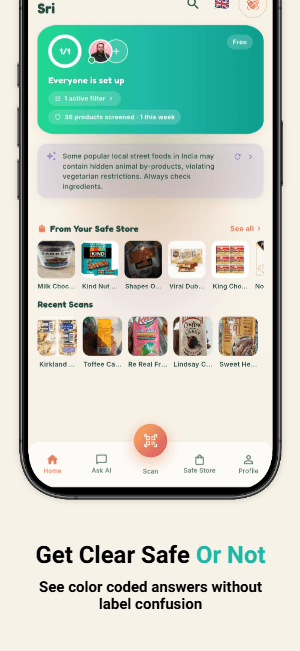
| Family screening | Multi-household profiles in one scan, with named results like ‘Fails for Sri (Gluten)’ | Typically one profile at a time | Typically one profile at a time | Mentally cross-checking each person |
| Languages and context | 11 languages with real-time translation, plus ScanGenius AI Insight, NOVA 1-4, and Nutri-Score | Varies | Varies | Only the language printed on the package |
The technological advantage comes down to depth. A tortilla label might list ‘seasoning blend’ or ‘dough conditioner,’ and each of those can contain sub-ingredients of its own. Food Scan Genius uses recursive parsing of sub-ingredients across the NutriGraph Database, so a flagged item is traced back to the component that triggered it. For a gluten free tortilla, that can mean catching a malt-derived flavor or a non-certified oat ingredient that a quick skim would miss. Your Celiac profile, your child’s wheat allergy, and a custom sensitivity such as sunflower oil can all be screened at once, and the app names who the product fails for.
Flagging an ingredient is only half the job, because context matters. ScanGenius AI Insight explains in plain language why something was flagged, whether it is a true gluten risk or a personal preference like a certain gum or dye. It pairs this with NOVA 1-4 processing classification and Nutri-Score, without collapsing everything into a single moralizing grade. Two tortillas can both be safe for celiac disease while differing in processing level and nutrition, and you deserve to see both facts side by side. Because the app is free and works in 11 languages, a grandparent, a caregiver, or a traveling relative can use it as easily as you can.
When you compare options, look at the main categories of gluten free tortilla. Corn tortillas with a short ingredient list tend to be the simplest. Cassava and almond-flour options, such as those from Siete, offer a softer, more wheat-like feel. Schär and Mission both sell dedicated gluten-free lines, and rice-based wraps are also common. Formulas and facilities change, so scan the exact package in your hand rather than relying on a brand’s past reputation.
4. Related Food Safety & Dietary Guides
- Best Food Allergy Scanner App – Scan Food Labels Instantly — Food Allergy & Sensitivity Scanner Hub
- The 7 Best Free Food Scanner Apps of 2026 — best free food scanner apps
- Choosing the Best Barcode Scan App for Your Health — guide to choosing a barcode scanner app
- Food Scan Genius: World’s #1 Food Ingredient Scanner App — Food Scan Genius scanner app
5. Scientific & Health Authority References
- Celiac Disease Foundation Threshold Requirements
- European Food Safety Authority (EFSA) Additive Safety Regulations
- PubMed Research on Ultra-Processed Foods & Gut Microbiome Disruption
- World Health Organization Guidelines on Healthy Diets & Saturated Fats
6. How to Scan in 3 Simple Steps
- Download Food Scan Genius free on iOS or Android. There are no paywalls on core features, and you can switch the interface to any of 11 supported languages.
- Set up your profiles. Choose the Gluten-Free or Celiac profile from the 39 dietary options, add family members such as a child with a wheat allergy, and enter any custom sensitivities like seed oils, specific dyes, or additives.
- Scan the barcode on any gluten free tortilla package. In about two seconds you get an instant audit trail with named results like ‘Fails for Sri (Gluten),’ plus ScanGenius AI Insight, a NOVA 1-4 rating, and a Nutri-Score so you can choose with confidence.
Instant Gluten-Free Audit Trail
7. Frequently Asked Questions (FAQ)
Are corn tortillas automatically a safe gluten free tortilla?
Not automatically. Corn is naturally gluten free, but many corn-style tortillas are blended with wheat flour, and others are made on shared equipment with flour tortillas. Look for a short ingredient list and a third-party gluten-free certification, then scan the barcode with Food Scan Genius. It parses sub-ingredients and applies your gluten profile, so a hidden wheat component is flagged for the exact person it affects.
What does ‘gluten free’ mean on a tortilla label?
In the US, FDA rules require products labeled gluten free to contain less than 20 parts per million of gluten, the same threshold widely cited by celiac organizations. Rules and enforcement vary in other countries, and ‘may contain’ warnings are generally voluntary. Certification marks from third-party programs often use stricter testing. Food Scan Genius shows what the label and ingredient data indicate, but people with celiac disease should still confirm certification and talk with their care team.
Can I scan one gluten free tortilla for my whole family?
Yes. With Multi-Household Family Profiles, you can add each person’s dietary needs and screen the product once. Results name who is affected, for example ‘Fails for Sri (Gluten),’ so you do not have to cross-check each member’s restrictions in your head. You can add custom sensitivities such as seed oils or specific dyes for individual members, which helps with mixed households where needs differ.
Is a gluten free tortilla healthier than a regular tortilla?
Not necessarily. Gluten free tortillas are essential for people who need to avoid gluten, but they can be more highly processed, with added starches, gums, and fats to mimic wheat’s texture. Food Scan Genius gives you the NOVA 1-4 classification and Nutri-Score alongside ScanGenius AI Insight, so you can compare gluten free tortilla options by processing and nutrition rather than assuming the label means healthier. Your dietitian can help fit these choices into your overall diet.
Know What’s In Your Food Before You Buy — Scan Free Today
Never second-guess confusing grocery labels again. Download Food Scan Genius to uncover hidden additives, toxic dyes, and allergens for the whole household before you buy.