1. Why Eating Enough Iron During Your Period Is Harder Than It Sounds
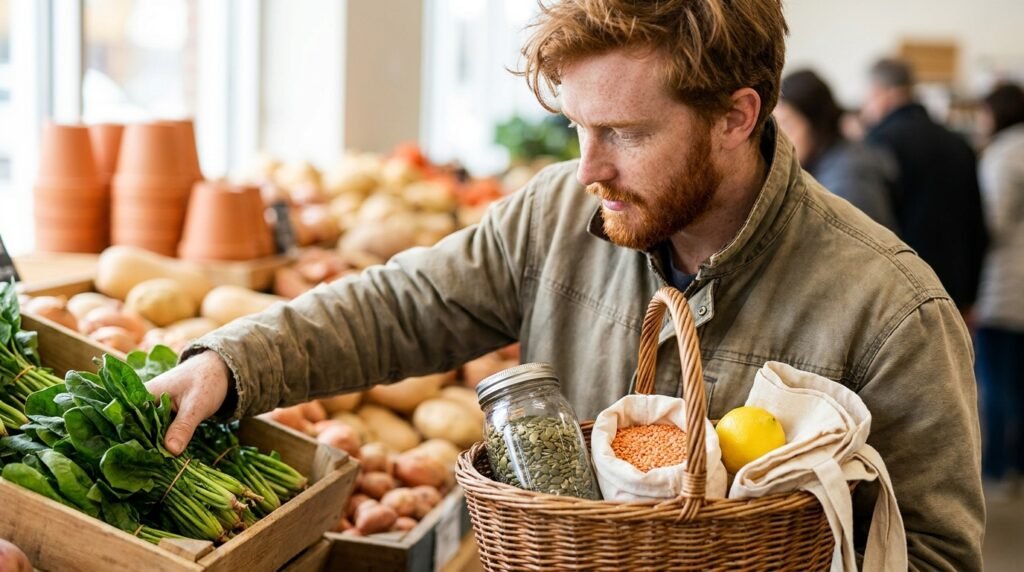
If you have ever felt wiped out, dizzy on the stairs, or foggy at your desk in the middle of your cycle, you are not imagining it. Menstrual blood loss removes iron from the body every month. The U.S. National Institutes of Health sets the recommended daily intake at 18 mg for women aged 19 to 50, which is more than double the 8 mg recommended for adult men. Many people only reach that target on paper. Real life brings tight budgets, cravings that pull toward sweets, and conflicting advice about what to eat. Choosing iron rich foods for period support should feel simple, but the grocery aisle makes it surprisingly complicated.
The first challenge is that iron comes in two forms. Heme iron, found in meat, poultry, and shellfish, is absorbed at roughly 15 to 35 percent. Non-heme iron, found in beans, lentils, greens, seeds, and fortified foods, is absorbed at roughly 2 to 20 percent, depending on what you eat with it. Vegetarians and vegans may need up to 1.8 times the standard intake because of this gap. Neither form is better in every way, but you need to understand the difference to plan your meals well.
The second challenge is the modern food environment. Many products with a heart-shaped ‘iron-fortified’ badge are sugary cereals, bars, and drinks. Research collected in PubMed Research on Ultra-Processed Foods & Gut Microbiome Disruption suggests that diets heavy in ultra-processed products can affect gut health, and gut health in turn influences how well you take up nutrients. The World Health Organization Guidelines on Healthy Diets & Saturated Fats likewise stress building meals around legumes, vegetables, nuts, and whole grains. Those are the same foods that happen to be strong plant sources of iron.
One clinical note matters here. If your periods are very heavy (soaking through a pad or tampon every one to two hours, lasting longer than seven days, or passing large clots) or you feel persistently exhausted, short of breath, or lightheaded, talk to a clinician. A simple blood test for ferritin and hemoglobin can show whether you are iron deficient. Food is a powerful ally, but it does not replace medical evaluation, and you should not start high-dose supplements without testing. This guide is educational and does not replace personal medical advice.
Scan Any Label for Hidden Additives and Allergens — Free
Never second-guess confusing grocery labels again. Download Food Scan Genius to uncover hidden additives, toxic dyes, and allergens for the whole household before you buy.


2. The Fine Print: Where Iron Claims on Food Labels Get Misleading
Knowing which foods are rich in iron is only half the job. You also have to read the packaging. Marketing language around iron is often loose, and a few common loopholes can leave you paying more for less benefit. Here are the ones to watch most closely:
- ‘Fortified with iron’ on sugary cereals and snacks. The added iron (often ferrous sulfate, ferric pyrophosphate, or reduced iron) is real, but it can come with large amounts of added sugar and a NOVA 4 ultra-processed profile. Compare the whole label, not only the badge.
- Iron oxide as a colorant. Iron oxides (E172 in Europe) are pigments used to color products. They are not a meaningful nutritional iron source. The European Food Safety Authority (EFSA) Additive Safety Regulations evaluate such additives for safety and use, not for nutritional value.
- The ‘superfood’ spinach halo. Spinach lists impressive iron numbers, but its oxalates bind iron and sharply reduce absorption. It is still a healthy food. Just do not rely on it alone, and pair it with vitamin C.
- One-size-fits-all % Daily Value. Labels calculate % DV against 18 mg. The label does not tell you whether the iron is heme or non-heme, or whether calcium, tea, or coffee in your meal will block absorption.
- Calcium and iron in the same product. Some fortified foods and supplements combine high calcium with iron. Calcium can compete with iron absorption when taken together, so a ‘complete nutrition’ claim may be less complete than it looks.
- Hidden allergens and additives in iron-boosted products. Fortified cereals, plant milks, and gummies may contain wheat, soy, milk, or artificial dyes. Under the FDA Food Allergen Labeling & Consumer Protection Act (FALCPA), major allergens must be declared, but sub-ingredients and non-allergen additives like dyes still require careful reading.
A smart plate pairs a good iron source with vitamin C (bell peppers, citrus, strawberries, tomatoes, kiwi) and saves coffee or tea for between meals. Truly useful iron rich foods for period planning includes the following:
- Heme sources: clams, oysters, beef, lamb, turkey dark meat, sardines, and small portions of liver. People who are pregnant or may become pregnant should limit liver because of its high vitamin A content.
- Plant sources: lentils, chickpeas, white and kidney beans, tofu, tempeh, pumpkin seeds, cashews, quinoa, blackstrap molasses, and dark chocolate (70 percent cacao or higher, in moderation).
- Fortified options: iron-fortified oats or cereals with modest sugar, checked carefully against the ingredient list.
3. Food Scan Genius vs. Traditional Ways of Checking Iron-Friendly Foods
| Dimension | Food Scan Genius | Manual Label Reading | Generic Calorie Tracker Apps | Paid Allergen Apps (e.g., Fig, $59/yr) |
|---|---|---|---|---|
| Cost | 100% free core, zero paywalls | Free, but time-heavy | Often premium for full features | Subscription required for full access |
| Database depth | NutriGraph: 5,000,000+ verified UPC/EAN barcodes with recursive sub-ingredient parsing | Only what you can read on the pack | Crowdsourced, mixed accuracy | Focused mainly on allergens |
| Personalization | 39 dietary profiles plus custom sensitivities (dyes, seed oils, additives) | None | Calorie and macro goals | Limited profile options |
| Family use | Multi-household profiles, one scan, named results like ‘Fails for Sri (Gluten)’ | Check each person by hand | Usually single-user | Varies by plan |
| Context and languages | ScanGenius AI Insight, NOVA 1-4, Nutri-Score, 11 languages with real-time translation | Depends on your own knowledge | Numbers without interpretation | Limited language support |
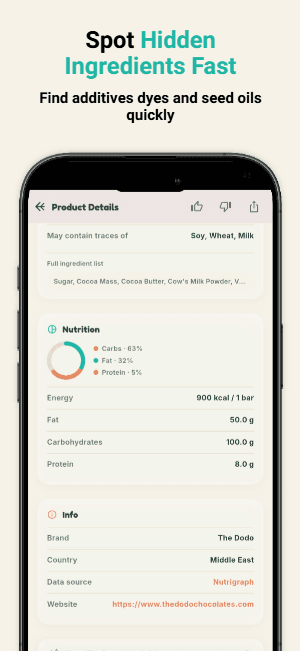
When you are managing fatigue from a heavy cycle, you do not have the energy to decode a 40-word ingredient list in the cereal aisle. Food Scan Genius is built on the NutriGraph Database, which holds more than 5,000,000 verified UPC and EAN barcodes. Its recursive parsing opens up compound ingredients, so a fortified product’s ‘enriched flour’ or ‘natural flavors’ is broken down into what is actually inside. You can scan a bag of lentil pasta, a fortified oat cereal, or a tofu block and quickly see added sugars, colorants such as iron oxide, and the allergens or additives that matter to you. If you avoid specific dyes or seed oils, add them as a custom sensitivity once and every scan will respect it. If someone in your home eats gluten-free, the app flags it by name, such as ‘Fails for Sri (Gluten)’, so one scan covers the whole household. Eleven languages with real-time in-app translation also make imported or international groceries easier to read.
What sets the experience apart is the tone. ScanGenius AI Insight offers nuanced context instead of a simplistic good-or-bad score. It pairs NOVA 1-4 classification with Nutri-Score so you can see that an iron-fortified cereal is helpful in one respect and heavily processed in another, then decide what fits your week. Food Scan Genius does not diagnose iron deficiency or measure absorption, and it cannot replace blood work. It does remove the guesswork from the shopping step, so that your energy goes into cooking and resting instead of label detective work.
4. Related Food Safety & Dietary Guides
- Best Food Allergy Scanner App – Scan Food Labels Instantly — Food Allergy & Sensitivity Scanner Hub
- The 7 Best Free Food Scanner Apps of 2026 — best free food scanner apps
- Choosing the Best Barcode Scan App for Your Health — guide to choosing a barcode scanner app
- Food Scan Genius: World’s #1 Food Ingredient Scanner App — Food Scan Genius scanner app
5. Scientific & Health Authority References
- FDA Food Allergen Labeling & Consumer Protection Act (FALCPA)
- European Food Safety Authority (EFSA) Additive Safety Regulations
- PubMed Research on Ultra-Processed Foods & Gut Microbiome Disruption
- World Health Organization Guidelines on Healthy Diets & Saturated Fats
6. How to Scan in 3 Simple Steps
- Download Food Scan Genius free on iOS or Android. There are no paywalls on core features, so you can start scanning the same day.
- Set up your profile for iron-focused eating. Choose from 39 dietary profiles (vegetarian, vegan, gluten-free, dairy-free, and more), add custom sensitivities such as artificial dyes or seed oils, and create family profiles for everyone you shop for.
- Scan any barcode in about two seconds. Review the instant audit trail, including sub-ingredients, added sugars, additives, NOVA 1-4 group, Nutri-Score, and ScanGenius AI Insight, then pair your iron-rich picks with a vitamin C food at the next meal.
Personalized Match & AI Insight
7. Frequently Asked Questions (FAQ)
What are the best iron rich foods for period fatigue?
Heme sources absorb most efficiently and include clams, oysters, beef, lamb, dark-meat poultry, and sardines. Strong plant options include lentils, chickpeas, tofu, tempeh, pumpkin seeds, cashews, quinoa, and dark chocolate. Eat plant sources with vitamin C foods such as peppers, citrus, or tomatoes to improve absorption. Food Scan Genius can help you check packaged versions of these foods, such as canned beans or tofu, for added sugars, additives, and your personal sensitivities.
How much iron do I need during my period?
The recommended daily intake for women aged 19 to 50 is 18 mg, dropping to 8 mg after age 51. Vegetarians and vegans may need up to 1.8 times as much because non-heme iron is absorbed less efficiently. Needs can be higher with very heavy bleeding, pregnancy, or certain medical conditions, so ask a clinician for blood testing before taking supplements. Scanning labels with Food Scan Genius helps you choose iron rich foods for period support without hidden extras.
Can I get enough iron from plant-based foods alone?
Yes, many people do, but it takes planning. Build meals around lentils, beans, tofu, seeds, and whole grains, add a vitamin C source to each meal, and keep tea and coffee away from iron-rich meals because their polyphenols reduce absorption. Cooking in a cast-iron pan can also add a little iron. Food Scan Genius supports vegetarian and vegan profiles, so you can quickly find packaged plant-based foods that fit your needs and see whether fortified products come with heavy processing.
Are iron-fortified cereals and gummies a good shortcut?
They can help some people, but check the whole label. Many fortified products are high in added sugar, include artificial dyes, or contain allergens like wheat and soy. Iron oxide on an ingredient list is usually a colorant, not a nutritional source. Food Scan Genius shows the NOVA 1-4 group and Nutri-Score alongside ScanGenius AI Insight, so you can weigh the benefit of added iron against the rest of the product. If you suspect deficiency, speak with a healthcare provider first.
Know What’s In Your Food Before You Buy — Scan Free Today
Never second-guess confusing grocery labels again. Download Food Scan Genius to uncover hidden additives, toxic dyes, and allergens for the whole household before you buy.