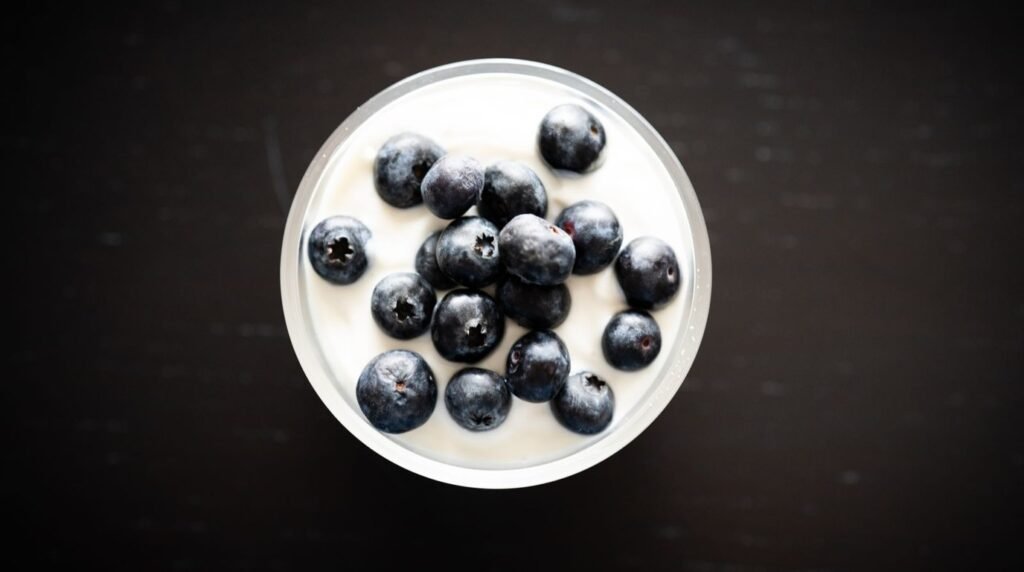
1. Why Finding a Keto Friendly Yogurt Is Challenging in 2026
You stand in the dairy aisle holding a tub that says "high protein," "low sugar," or "keto-friendly," and the nutrition panel says something different. If this has happened to you, you’re not careless. Yogurt is one of the most deceptively labeled categories in the store. A product can look like a perfect fit for a low-carb diet from the front and carry 12 to 18 grams of carbohydrate per serving once you read the back.
The basic issue is biology. Milk contains lactose, a natural sugar, and yogurt retains some of it even after fermentation. Plain, unsweetened, full-fat yogurt typically lands somewhere in the mid-single digits of carbohydrate grams per serving, and strained styles such as Greek yogurt and skyr tend to be lower than unstrained ones. Those numbers vary by brand and serving size, which is why the label matters more than the marketing. Anyone managing a ketogenic or low-carb plan for weight management, blood sugar goals, or a clinician-guided therapeutic diet knows how quickly a "healthy" snack can use up a day’s carb allowance.
The category has also changed a great deal. Today’s yogurt aisle includes dairy, coconut, almond, oat, and pea-protein products, plus whipped, drinkable, and dessert-style versions. Many of the newer ones depend on PubMed Research on Ultra-Processed Foods & Gut Microbiome Disruption and related studies as a reminder that formulation matters, not only the macro count. Texture and sweetness are often engineered with gums, starches, and sweeteners, so two products with the same carb number can be very different foods.
Dairy also carries allergen considerations. Under the FDA Food Allergen Labeling & Consumer Protection Act (FALCPA), milk must be declared as a major allergen. That helps, but it doesn’t tell you whether a coconut yogurt was made with a milk-derived culture or whether a thickener hides an unwanted ingredient. Choosing a keto friendly yogurt means balancing several constraints at once, and it’s reasonable to find that exhausting. This guide is meant to make it simpler.
Scan Any Label for Hidden Additives and Allergens — Free
Never second-guess confusing grocery labels again. Download Food Scan Genius to uncover hidden additives, toxic dyes, and allergens for the whole household before you buy.


2. Sneaky Ingredients and Labeling Loopholes in "Keto" Yogurt
There is no legal definition of "keto" on a yogurt label, so the term is a marketing claim rather than a regulated standard. Before you trust a front-of-pack promise, know where the carbs and additives tend to hide. Regulators such as those summarized in the European Food Safety Authority (EFSA) Additive Safety Regulations evaluate additives individually. They don’t judge whether a finished product suits your diet, so that part is up to you.
- Fruit-on-the-bottom and fruit preparations: Jams, purées, and fruit juice concentrates add sugar quickly. "No added sugar" can still mean a high-carb tub if juice concentrate is the sweetener.
- Modified starches and thickeners: Corn starch, tapioca starch, and pectin can make a low-fat or plant-based yogurt feel creamy. Starches add digestible carbohydrate, and they’re common in dairy-free options marketed as low-carb.
- Fiber-based "net carb" padding: Inulin, chicory root fiber, and soluble corn fiber lower the net carb figure on paper. Some people tolerate them well, and others get bloating or notice a different glycemic response. Net carb math isn’t standardized, so check the total carbohydrate line too.
- Sweetener blends: Sucralose, acesulfame potassium, stevia extracts, monk fruit, and sugar alcohols like erythritol appear in many "zero sugar" yogurts. These aren’t automatically problematic, but personal tolerance and preferences differ, and some sugar alcohols can cause digestive upset.
- Milk solids and concentrated dairy proteins: Added nonfat milk powder or milk protein concentrate boosts protein but can also raise lactose-derived carbs, depending on the formulation.
- Serving-size games: A 100-gram or 3/4-cup serving can make a product look lower in carbs than the 150 to 170 gram single-serve container you’ll actually eat.
Fat content deserves a nuanced look as well. Many keto eaters prefer full-fat dairy, while the World Health Organization Guidelines on Healthy Diets & Saturated Fats recommend limiting saturated fat as a share of total energy intake. Reconciling a high-fat eating pattern with general public-health guidance is a conversation to have with your own doctor or dietitian. A good tool should show you the facts and leave the judgment to you and your care team.
3. Food Scan Genius vs. Other Ways to Vet a Keto Friendly Yogurt
| Dimension | Food Scan Genius | Fig | Spoonful | Manual Label Reading |
|---|---|---|---|---|
| Cost | 100% free core features, zero paywalls | $59/yr for full access | Limited scans | Free, but time-consuming |
| Ingredient depth | NutriGraph Database, 5M+ verified barcodes, recursive sub-ingredient parsing | Ingredient flagging by profile | Ingredient flagging by profile | Only what you spot and recognize |
| Diet customization | 39 dietary profiles plus custom sensitivities (seed oils, dyes, additives) | Preset profiles | Preset profiles | Entirely from memory |
| Family screening | Multi-household profiles, one scan, named fail attribution | Limited | Limited | Repeat checks for each person |
| Languages | 11 global languages with real-time in-app translation | Varies | Varies | Only the language printed on the tub |
Food Scan Genius is built on the enterprise NutriGraph Database, which holds more than 5,000,000 verified UPC/EAN barcodes. Instead of reading a flat ingredient list, it uses recursive AST parsing to open compound ingredients such as "fruit preparation" or "natural flavors" and examine what’s inside them. For a keto friendly yogurt search, that means a hidden starch, juice concentrate, or sweetener is flagged even when it sits a layer or two below the first line of the label. You can also add your own custom sensitivities, such as seed oils, particular dyes, or a sweetener you’d rather avoid, on top of any of the 39 supported dietary profiles.
The ScanGenius AI Insight then adds context rather than a verdict. Each scan shows a NOVA 1-4 classification and a Nutri-Score, and the AI explains why a product landed where it did. For example, a plain strained yogurt with two ingredients reads very differently from a sugar-free dessert cup with six additives, and the app says so without reducing it to a single moralizing score. For households where one person eats keto and another avoids gluten or dairy, family profiles screen everyone at once and name who is affected, such as "Fails for Sri (Gluten)." Real-time translation in 11 languages helps when you’re shopping with imported products or sharing the app with family.
4. Related Food Safety & Dietary Guides
- Best Food Allergy Scanner App – Scan Food Labels Instantly — Food Allergy & Sensitivity Scanner Hub
- The 7 Best Free Food Scanner Apps of 2026 — best free food scanner apps
- Choosing the Best Barcode Scan App for Your Health — guide to choosing a barcode scanner app
- Food Scan Genius: World’s #1 Food Ingredient Scanner App — Food Scan Genius scanner app
5. Scientific & Health Authority References
- FDA Food Allergen Labeling & Consumer Protection Act (FALCPA)
- European Food Safety Authority (EFSA) Additive Safety Regulations
- PubMed Research on Ultra-Processed Foods & Gut Microbiome Disruption
- World Health Organization Guidelines on Healthy Diets & Saturated Fats
6. How to Scan in 3 Simple Steps
- Download Food Scan Genius free on iOS or Android. There are no paywalls on the core features, and you can start scanning right away.
- Set up your profile for a low-carb or ketogenic diet from the 39 supported dietary profiles, then add custom sensitivities such as added sugars, starches, inulin, specific sweeteners, or seed oils. Add family members if others share your kitchen.
- Scan the yogurt barcode in about 2 seconds. You’ll get an instant audit trail showing flagged sub-ingredients, NOVA 1-4 class, Nutri-Score, and the ScanGenius AI Insight, with named fail attribution for any household member affected.
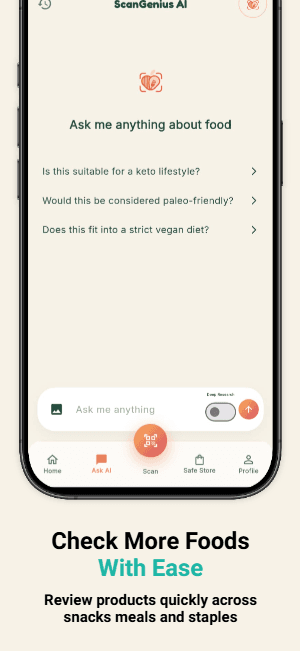
Instant Keto & Sugar Audit Trail
7. Frequently Asked Questions (FAQ)
What makes a yogurt keto friendly?
There’s no regulated definition, so it comes down to the label. Look for plain, unsweetened yogurt with a short ingredient list, ideally only milk and live cultures, and check total carbohydrates per the serving you’ll actually eat. Strained styles like Greek yogurt and skyr usually carry less lactose than unstrained yogurt. Food Scan Genius reads the full ingredient tree and flags added sugars, starches, and fruit preparations that raise carbs, so you can judge a keto friendly yogurt against your own limits.
Are plant-based yogurts better for a low-carb diet?
Not automatically. Unsweetened coconut, almond, or soy yogurts can be low in carbs, but many plant-based options use starches, tapioca, or added sugars to improve texture and taste. Always compare the total carbohydrate line and ingredient list. Scanning with Food Scan Genius shows the NOVA classification and any hidden thickeners so you can compare dairy and non-dairy tubs side by side.
Can I trust ‘net carbs’ or ‘zero sugar’ claims on yogurt?
Treat them as a starting point. Net carb calculations aren’t standardized, and fibers like inulin or sugar alcohols may be subtracted in ways that don’t match how your body responds. ‘Zero sugar’ can also coexist with starches or concentrated milk solids. Food Scan Genius surfaces these ingredients with AI Insight context, and if you track a specific one, you can add it as a custom sensitivity. If you manage a medical condition, discuss carb targets with your clinician.
Does Food Scan Genius cost anything to use for keto yogurt shopping?
No. The core features are 100% free with zero paywalls, including barcode scanning against the NutriGraph Database of 5,000,000+ verified UPC/EAN codes, 39 dietary profiles, custom sensitivities, family profiles, and 11-language translation. That differs from apps that charge around $59 a year or cap the number of free scans, which matters if you compare many yogurts in one shopping trip.
Know What’s In Your Food Before You Buy — Scan Free Today
Never second-guess confusing grocery labels again. Download Food Scan Genius to uncover hidden additives, toxic dyes, and allergens for the whole household before you buy.
Photo by Christopher Gaines on Pexels